How Over-the-Air Software Updates Are Changing the Way Cars Improve Over Time
July 29 2026,
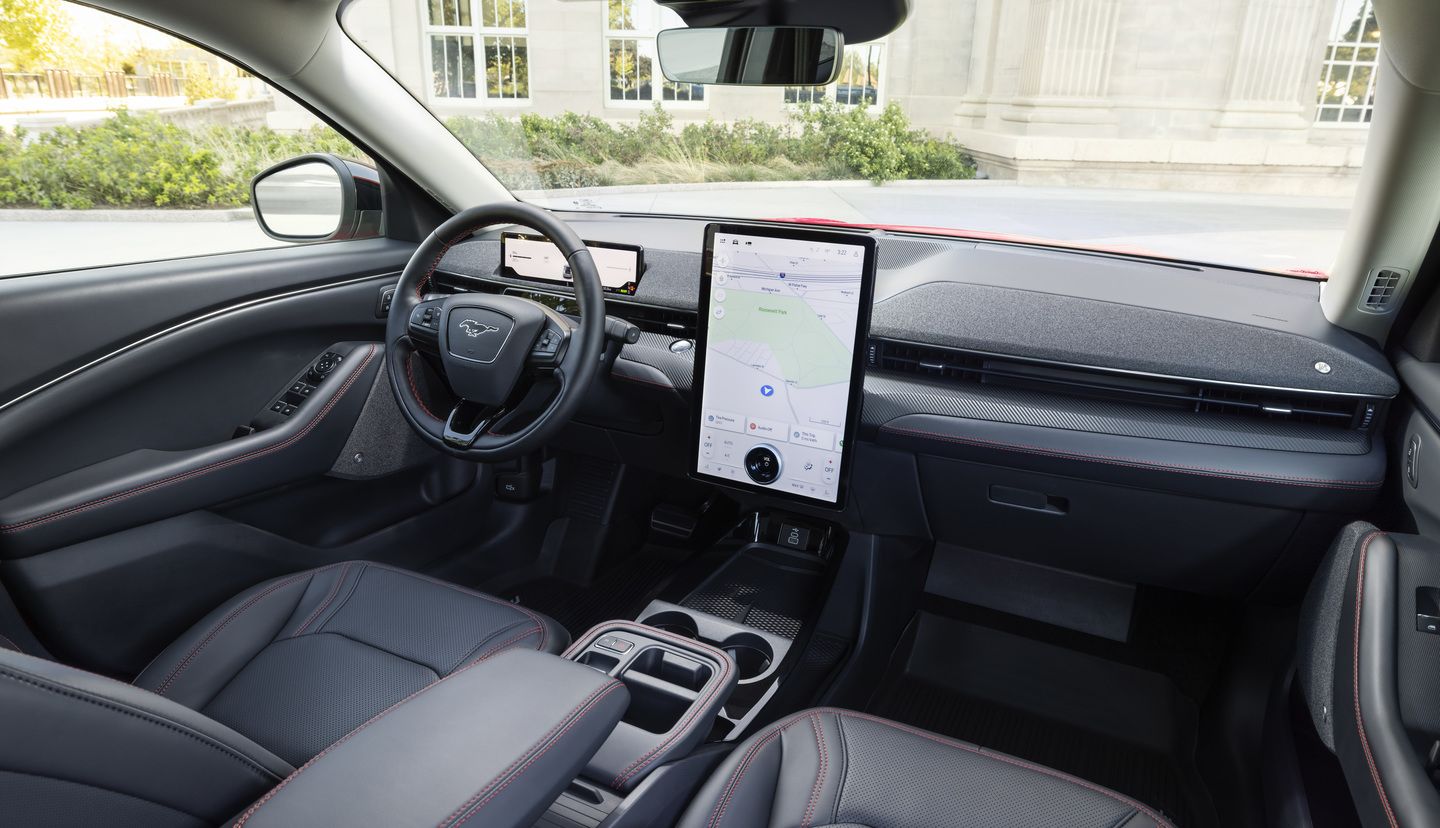
Two years into owning the same vehicle, a driver’s evening commute can feel noticeably smoother than it did on day one. Not because anything mechanical changed, and not because of a trip to the shop. The software running underneath the dashboard quietly got better while the car sat in the driveway overnight, and nobody had to do anything to make that happen.
That’s a genuinely different relationship than the one drivers used to have with a new vehicle. Buying a car has traditionally meant locking in a fixed set of capabilities the day it left the lot, capabilities that could only degrade from there until the next trade-in. Across a growing share of the lineup at Carson Automotive Group, and across the industry more broadly, that assumption no longer holds. A vehicle can now genuinely improve after the sale, on its own schedule, without anyone booking an appointment.
A Car That Used to Only Get Older
For most of automotive history, whatever software shipped with a vehicle was more or less permanent. A glitch in the infotainment system stayed a glitch until a dealer visit fixed it. A safety issue meant a recall notice in the mail and a morning spent in a service waiting room. The vehicle itself was frozen in time the moment it was delivered, aging mechanically while its software sat untouched.
What’s Actually Happening Overnight
Over-the-air updates change that by letting a manufacturer push software directly to a vehicle’s onboard computers over Wi-Fi or a built-in cellular connection, then verify, install, and confirm the update automatically, typically while the vehicle is parked overnight. These updates generally fall into two categories. Firmware updates touch the deeper systems, engine management, battery behaviour, and driver-assist hardware. Software updates cover the more visible layer, infotainment, navigation, and the apps a driver actually interacts with day to day. Both can arrive without a single trip to a service bay.
In practice, that covers a wider range of improvements than most owners expect. A single update cycle might quietly fix a bug in the infotainment system, refine how an electric or hybrid vehicle manages its battery and range estimates, adjust the responsiveness of driver-assist features, or even fine-tune braking and steering behaviour based on data gathered from the broader fleet. None of it requires reading a manual or flipping a switch. The update simply arrives, installs itself overnight, and the vehicle behaves slightly differently the next morning.
This matters more for BC owners than it might elsewhere, simply because of how long a vehicle here tends to stay on the road. A truck or SUV bought today and kept for eight or ten years, common across Vancouver Island and the Lower Mainland, used to mean living with whatever software it shipped with for the entire ownership period. Over-the-air capability changes that math considerably, since the vehicle keeps receiving improvements long after the new-car smell fades.
The Recall That Fixes Itself
Nowhere does this shift matter more than in recalls. A traditional recall means physical parts, a scheduled appointment, and a technician’s time, and those costs land somewhere in the hundreds of dollars per vehicle once labour and logistics are included. When the issue is software-based and the vehicle supports over-the-air updates, a manufacturer can resolve it remotely for a small fraction of that cost, often before an owner even notices there was a problem to fix. The vehicle gets safer overnight instead of sitting in a service queue for weeks.
The owner’s side of this matters just as much as the manufacturer’s. A traditional recall means checking the mail for a notice, calling to book an appointment, arranging a ride home or a loaner vehicle, and losing the better part of a day. An over-the-air fix removes nearly all of that friction. The vehicle simply updates itself overnight, and the only sign anything happened might be a brief notification the next time the driver starts the car.
Why This Is Becoming a Bigger Deal, Not a Smaller One

This isn’t a niche feature drifting toward the mainstream. Software made up roughly 10 percent of a typical vehicle’s overall content less than a decade ago, and industry projections now put that figure closer to 30 percent by 2030. As that share grows, the ability to update a vehicle’s software without a dealer visit stops being a minor convenience and starts being one of the more meaningful differences between vehicles on a shopping list, right alongside horsepower or cargo space.
The Honest Caveat
None of this is unconditionally good news, and it’s worth saying so plainly. Not every update is free forever. Some manufacturers have started locking specific features, certain comfort functions or performance enhancements among them, behind an ongoing subscription after an initial trial period ends. That’s a meaningful shift from the old assumption that once a feature came with the car, it stayed with the car for good.
Updates can also change behaviour a driver had grown used to. A menu might get reorganized, a driver-assist system might feel slightly different in how it brakes or centres in a lane, or a setting that used to be the default now needs to be manually reselected after an update. None of this tends to be dramatic, but it’s a real trade-off for the convenience of never needing a service appointment, and it’s worth going in with eyes open rather than assuming every update is purely additive.
How This Shows Up in Vehicles Already Being Cross-Shopped
Ford has used over-the-air updates to refine BlueCruise, its hands-free highway driving system, expanding the mapped highway coverage where it can operate and smoothing out how the vehicle handles curves and lane centering, all without a dealer visit. Land Rover runs its own Software Over The Air system across the Defender, Discovery, and Range Rover lineup, covering everything from infotainment performance to driver-assistance refinements, downloaded automatically through the vehicle’s built-in data connection. Mazda’s connected services push updates through its own app-linked system, keeping navigation data and smart-key functionality current without a trip to the dealership. In each case, the vehicle a driver bought last year isn’t the same vehicle, software-wise, as the one sitting in the driveway today.
|
Brand |
Update System |
What It Refines |
|
Ford |
BlueCruise OTA updates |
Hands-free highway coverage, lane centering |
|
Land Rover |
Software Over The Air (SOTA) |
Infotainment, driver-assistance systems |
|
Mazda |
Connected Services |
Navigation data, smart-key functionality |
Ownership as an Ongoing Relationship
The old model of car ownership treated the purchase as the finish line, with everything after it a slow slide toward obsolescence. The vehicles moving through dealership lots now treat the purchase as more of a starting point, one where the software underneath keeps evolving long after the paperwork is signed. That doesn’t erase the fine print worth reading, but it does mean the smoother commute two years in isn’t a coincidence. It’s the plan working as intended.