Leasing or Financing Explained: What Changes for Your Payment, Kilometres and Ownership
October 23 2026,
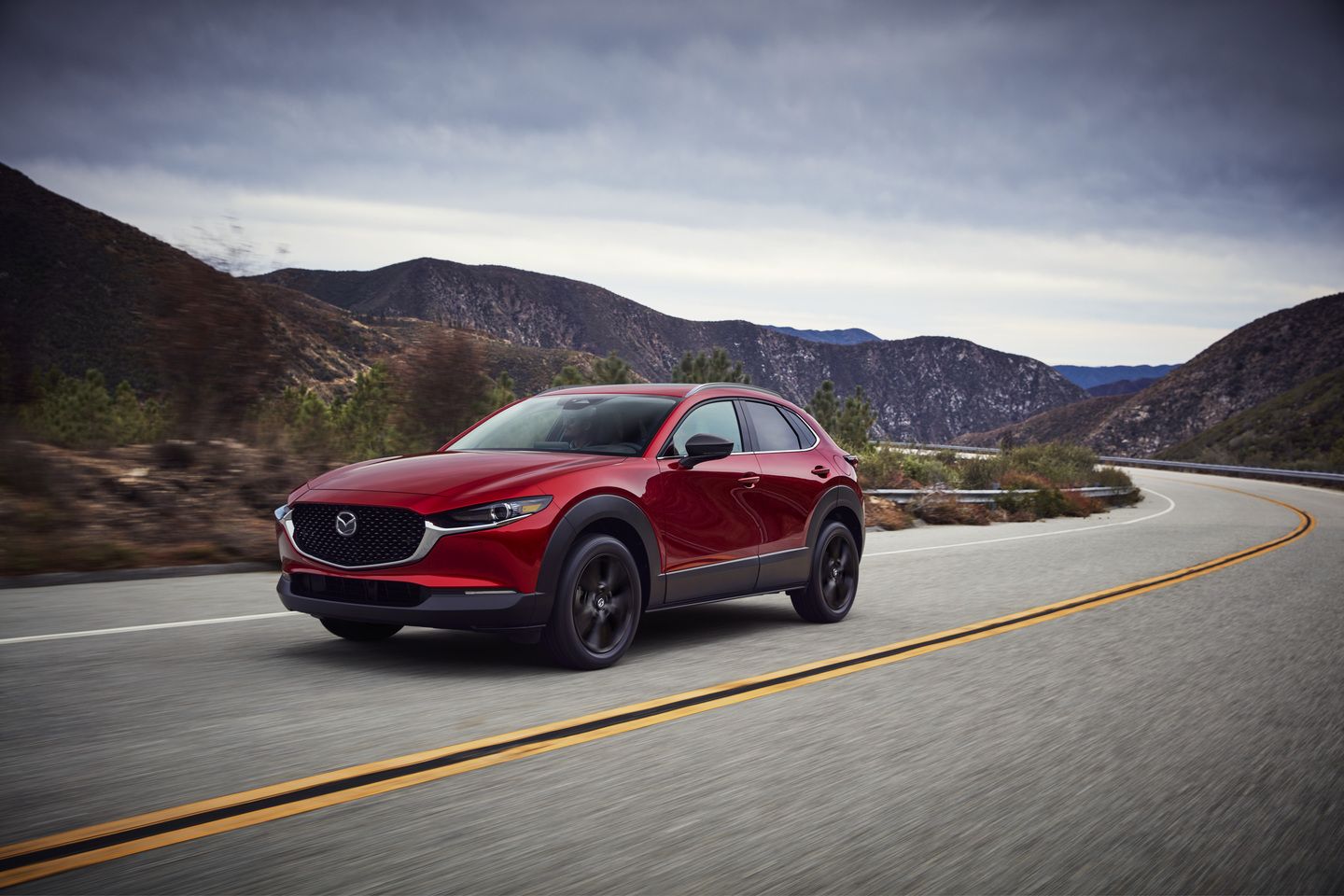
Two people can leave a dealership with the same vehicle, in the same colour, on the same afternoon, and be in completely different arrangements. One owns the vehicle the day the last loan payment clears. The other is using it for a set number of years and kilometres, with a decision waiting at the end of the term. From the driveway, nothing looks different. On paper, almost everything is.
Choosing between leasing and financing comes down to three everyday questions: how the payments are structured, how far the vehicle will travel, and whether the plan is to keep it for the long haul. Across the brands sold at Carson Automotive Group’s dealerships, both options are available on most new vehicles, and neither is the right answer for everyone. Working through those three questions usually makes the better fit clear.
How Each One Works
Financing is a loan used to buy the vehicle. The lender pays for it up front, and the buyer repays that amount over an agreed term, along with interest and any applicable fees. Once the final payment is made, the vehicle belongs to the buyer outright, free to keep, sell or trade.
A lease pays for the use of a vehicle over an agreed period. The payments cover the portion of the vehicle’s value expected to be used up during the term, plus borrowing costs. When the lease ends, ownership doesn’t transfer automatically. The driver typically chooses between returning the vehicle, buying it where the contract allows, or moving into a new lease, which would need its own approval.
The value the vehicle is expected to hold at the end of the lease is called the residual value, and it’s written into the contract. If the driver decides to buy the vehicle at lease end, that residual figure is the starting point, with any outstanding amounts, taxes and fees added on top.
What Changes for Your Payment

Lease payments are generally lower than loan payments over the same term, because a lease only covers part of the vehicle’s value. That lower payment is the main reason many drivers consider leasing. It doesn’t automatically mean a lower total cost, though. A driver who leases one vehicle after another never reaches the point where payments stop, and over many years leasing can cost more overall than buying and keeping a vehicle.
Financing works the other way. Payments are higher during the loan, but they end, and every month after that is a month of driving without a vehicle payment. Loan length matters a great deal here. Terms of 72 months or more are considered long-term loans: they shrink the regular payment but increase the total interest paid and can keep a vehicle worth less than what’s owed on it for longer. The steadier approach is the shortest term that fits comfortably in the budget.
The most useful comparison is the total amount paid by the end of each arrangement, including every upfront charge, fee and interest cost, set side by side.
What Changes for Your Kilometres
This is where leasing asks the most of a driver’s planning. Every lease includes an annual kilometre allowance, chosen when the contract is signed, and driving beyond it creates charges for the excess when the vehicle is returned. Allowances vary by contract, and some leases let the driver buy extra kilometres up front, which is usually easier than paying for them at the end.
Condition matters too. Normal wear is expected on any vehicle, but damage beyond normal wear, from deep scratches to worn-through upholstery, can lead to charges at return. A financed vehicle carries no allowance and no return inspection. Kilometres and wear still affect what it’s worth at trade-in time, but there’s no contract counting them.
For drivers with long commutes, frequent road trips or kilometres that are hard to predict, that difference often settles the question on its own.
What Changes for Ownership
Financing builds toward ownership. Each payment reduces what’s owed, though it’s worth knowing that repayment progress and equity aren’t the same thing: early in a loan, the vehicle can be worth less than the balance, which matters if a trade-in comes up sooner than planned. Once the loan is paid off, the owner can modify the vehicle, keep it for years or sell it whenever they choose.
Leasing suits drivers who like a new vehicle every few years and prefer not to deal with selling or trading the old one. The trade-off is less freedom during the term. Modifications usually need the leasing company’s permission, and ending a lease early can be very costly, so a lease works best when the driver is confident the vehicle will fit their life for the full term.
|
Question |
Leasing |
Financing |
|
Who owns the vehicle? |
The leasing company, with a purchase option at the end |
The buyer, once the loan is repaid |
|
Are kilometres limited? |
Yes, by a contract allowance |
No contract limit |
|
What happens at the end? |
Return, buy, or lease again |
Payments stop; keep, sell or trade |
How This Shows Up Across the Group’s Brands
The details differ by manufacturer, which is why every contract deserves a careful read. Mazda’s leases include contract-specific kilometre allowances and a purchase option tied to the residual value, while its retail financing carries no kilometre limit, and its retail loans are open, meaning they can be paid out early without a penalty. Mitsubishi lays out three paths at lease end: return the vehicle and arrange another, purchase or refinance the current one, or simply return it, with a condition inspection for any return. Ford’s lease-end guidelines make the lessee responsible for kilometres beyond the contracted allowance and for wear beyond normal use, and recommend handling repairs before the vehicle goes back. Land Rover requires written permission before a leased vehicle is modified, and unauthorized modifications can create charges at lease end.
Questions Worth Asking Before Signing

A few questions cut through most of the confusion, no matter which option looks appealing:
- What is the total amount paid by the end of the term, including all fees and upfront charges?
- For a lease, what is the annual kilometre allowance, and what does each extra kilometre cost?
- For a loan, is it open or closed, and is there a fee for paying it off early?
- What happens, and what does it cost, if circumstances change and the agreement ends early?
Loan agreements come with a disclosure statement setting out the borrowing costs and key terms, and most provinces and territories require a similar disclosure before a lease is signed. It’s the single most useful document in the process, and it’s worth reading fully and keeping a copy. Loan protections depend on the lender, while vehicle leases fall under provincial and territorial consumer law, so the disclosure statement is the place to confirm what applies.
Matching the Method to the Driver
Leasing tends to fit drivers who value a lower payment, like a newer vehicle every few years, and drive a predictable number of kilometres. Financing tends to fit drivers who plan to keep a vehicle well past the loan, drive a lot or unpredictably, or want the freedom to modify and sell on their own schedule. Either way, the comparison that matters is the full cost over the time the vehicle will actually be driven.
The finance teams at Carson Automotive Group’s dealerships can lay out both options side by side for a specific vehicle, with every location listed on the group’s website.