The Invisible Trailer: How 2026 Camera Systems Make Spring Towing Effortless
April 22 2026,
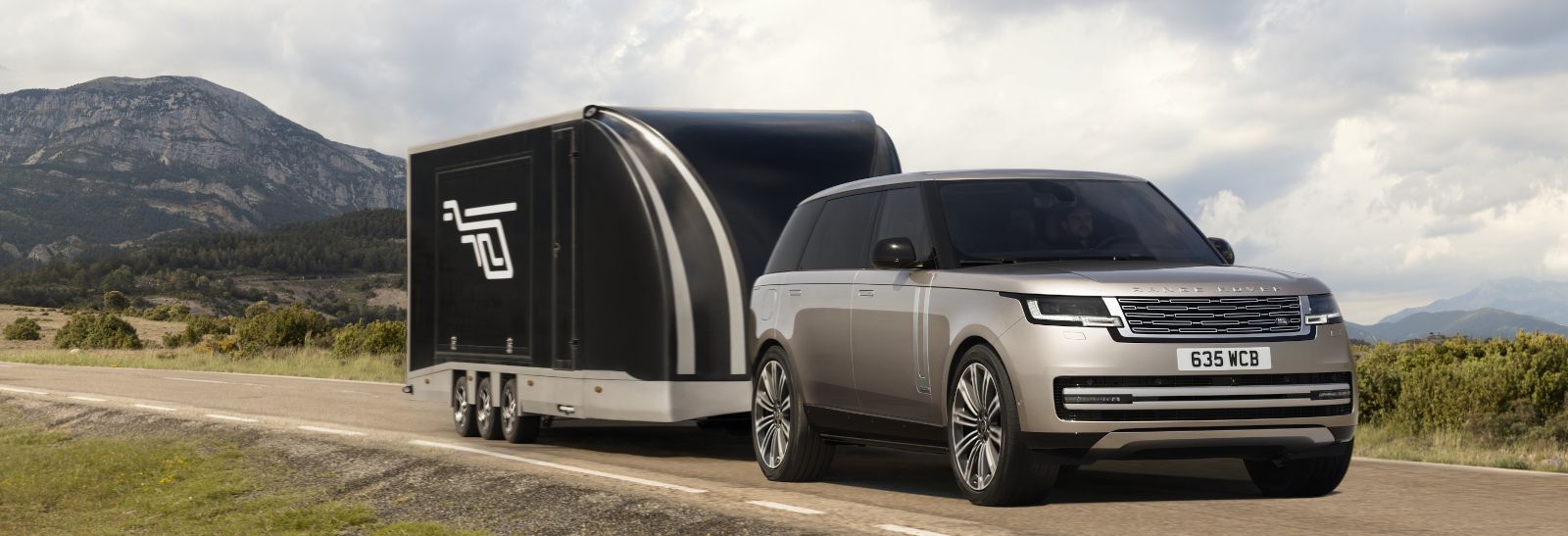
As boats and campers emerge from winter storage across British Columbia, drivers face a familiar challenge: towing means losing visibility.
The trailer blocks your rearview mirror, creates blind spots wider than your truck, and turns lane changes into calculated risks. Modern camera systems address this by digitally removing the trailer from your view, restoring the confidence you have when driving solo.
The technology works through multiple wide-angle cameras feeding into software that stitches their perspectives together. The result looks like your boat or travel trailer has turned transparent - you see lane lines, passing traffic, and merging vehicles as if nothing were attached.
How Image Stitching Creates the See-Through Effect
The invisible trailer view relies on calibration and real-time processing. During setup, you tell the system your trailer's length and mark its outer edges on the screen. The vehicle stores this as a digital mask representing the trailer's shape.
Multiple cameras capture different angles simultaneously. A tailgate camera sees the front of the trailer and surrounding lane. Mirror-mounted side cameras capture areas alongside the trailer, including adjacent lanes. An optional trailer-mounted camera provides a direct rear view from the trailer's back wall.
Software recognizes which pixels belong to the trailer and which belong to the road around it. It overlays background imagery from side and trailer cameras where the trailer would normally block your view. The centre screen displays the car behind you, lane markings, and merging vehicles - the trailer effectively erased from the scene.
Why This Matters on British Columbia Highways
Merging onto Highway 1 near Chilliwack with a boat in tow creates blind gaps around the trailer where fast-approaching cars can hide. A see-through view lets you judge gaps accurately before committing to the merge.
Passing slower traffic on Highway 19 to Campbell River becomes less tentative. Drivers often hesitate because they cannot see when they are clear to move back in. A stitched rear view shows the car you have just passed and the space behind your trailer, reducing guesswork.
Backing into tight sites at Goldstream or Miracle Beach Provincial Park benefits from bird's-eye views and zoomable trailer cameras. You can angle the trailer, check jackknifing limits, and watch obstacles near the hitch and corners without a spotter.
Camera Views That Support Towing Decisions
Invisible Trailer or See-Through Rear View
Simulates a clear view straight out the back as if the trailer were transparent. Ideal for highway use - monitoring following traffic, lane position, and passing vehicles.
Bird's-Eye 360° View
Creates a top-down image showing the vehicle, trailer tongue, and nearby obstacles. Useful for slow-speed manoeuvres in campgrounds, tight fuel stations, or ferry lineups at Tsawwassen and Swartz Bay.
Hitch View and Hitch Zoom
High-resolution camera centered on the hitch ball. You can back up so the ball and coupler meet perfectly without assistance, turning a two-person job into a solo task.
Side-View Blind-Spot Towing Mode
Wide-angle views down each side of the trailer activate with the turn signal. These confirm the lane is clear before you move over, particularly when the trailer is wider than the tow vehicle.
Dedicated Trailer-Mounted Camera View
Optional camera mounted on the trailer's rear wall or roof. Provides a familiar rear-window perspective for watching traffic, bikes, or boat tiedowns while driving.
Software Features That Simplify Hitching

Camera hardware delivers raw imagery. Software turns that into actionable guidance.
Guided Hitching Lines
On-screen guides curve as you steer, showing exactly how to line up the ball and coupler. Audible cues or colour changes signal when you are close, eliminating the need for a second person.
Trailer Profiles Storage
The vehicle stores multiple trailer setups - length, width, brake gain, camera pairing. ideal for families or businesses that tow different trailers: boat in spring, utility trailer in fall, travel trailer in summer.
Towing-Aware Blind-Spot and Cross-Traffic Alerts
Once a trailer profile is selected, blind-spot and rear cross-traffic zones extend to account for the trailer's length. Warnings become relevant to actual risk, not just the tow vehicle's body.
Steering-Angle-Aware Guidelines
When reversing, guidelines show the projected path of both vehicle and trailer based on current steering input. New towers see, rather than guess, how steering changes will swing the trailer.
Shopping for These Systems in 2026
When evaluating a truck or SUV for towing, ask specific questions about camera integration:
- Does this model offer a trailer or see-through-trailer view, or only a standard backup camera?
- Are there side-view cameras tied to the turn signals that account for a trailer's extra width and length?
- Can the vehicle store trailer profiles so you do not have to re-enter details every time?
- Is there an option for a trailer-mounted camera, and how is it integrated into the in-dash display?
- Do blind-spot and rear cross-traffic systems extend their coverage when a trailer profile is active?
Match the features to your use case. Weekend boaters hauling to Saanich Inlet or Okanagan Lake need long-distance highway visibility and see-through views.
What This Changes for Spring Towing
Towing in 2026 does not have to feel like towing in 2006. The right camera suite makes your trailer feel almost invisible, restoring the confidence and awareness that make spring trips something to look forward to rather than stress over.
White-knuckle first tows over the Malahat or the Coquihalla become manageable. Busy ferry terminals at Departure Bay and Swartz Bay no longer require multiple attempts at tight reversing. Narrow, tree-lined roads into campgrounds like Alice Lake or Rathtrevor Beach Provincial Park stop being visibility nightmares.
The technology delivers what drivers pulling boats, campers, and toy haulers actually need: clear views of following traffic, accurate lane-change judgment, and solo hitching capability. As spring towing season begins, these systems turn a stressful task into a confident one.
Compare towing camera systems and see how invisible trailer technology can support your spring trips. Our team can walk you through system capabilities, options, and how guided hitching and 360° views change the towing experience.