Understanding Hybrid vs Plug-In Hybrid: Which Powertrain Fits Your Daily Routine?
July 31 2026,
Line up for an early sailing at Swartz Bay on a weekday morning and you’ll hear it: the quiet hum of an electric motor pulling away from a stop, right next to the familiar idle of a gas engine warming up in the next lane. Both drivers are behind the wheel of an electrified vehicle. Only one of them plugged in the night before.
That difference, whether a battery gets refilled from a wall outlet or from the brakes alone, is the entire distinction between a conventional hybrid and a plug-in hybrid. It has nothing to do with which badge sits on the trunk and everything to do with how a vehicle actually spends its day. For anyone working through the electrified lineup at Carson Automotive Group, the real question isn’t which technology is better. It’s which one matches the drive already being done, five days a week, rain or shine.
How Each System Actually Works
A conventional hybrid, often shortened to HEV, never needs a charging cable at all. Its battery is small, and the only way it fills up is through regenerative braking, capturing energy that would otherwise be lost every time the car slows down. That stored charge covers roughly a kilometre or two of electric-only driving at low speed, mostly through stoplights and parking lots, before the gasoline engine steps back in to carry the load. Nothing about a driver’s routine has to change, and there’s no decision to make before heading out the door.
A plug-in hybrid, or PHEV, carries a much larger battery pack built to be topped up externally, either overnight on a standard household outlet or faster on a Level 2 charger. That bigger pack unlocks a genuinely useful electric-only range, commonly somewhere between 30 and 80-plus kilometres depending on the model, before the gasoline engine takes over and the vehicle simply behaves like a regular hybrid for the rest of the trip. Skip a charge and nothing breaks. The PHEV just falls back on gas power the way an HEV would anyway, so there’s no range anxiety built into the ownership experience.
The practical gap between the two comes down to effort and payoff. An HEV asks nothing of the driver and delivers modest, steady efficiency gains everywhere it’s driven. A PHEV asks for a nightly habit, plugging in, and rewards that habit with stretches of driving that use no gasoline at all.
Charging speed depends entirely on the setup at home. A standard 120-volt household outlet, the same one used for a kettle or a lamp, can fully recharge most plug-in hybrid batteries overnight, since the packs are small compared to a full electric vehicle. A dedicated 240-volt Level 2 charger cuts that time down substantially, often to two or three hours, which matters for anyone who needs a full charge between a morning trip and an evening one. Neither setup requires specialized electrical work in most homes, just a safe, code-compliant outlet or charger in the right spot.
Reading Your Own Commute
The spec sheet can’t answer this one. Only an honest look at a normal week can. Before comparing any specific vehicle, it helps to work through a few questions first.
- Is there reliable access to a plug most nights, whether that’s a house with a driveway or an apartment with dedicated charging?
- Does the one-way commute stay short enough to fit inside a plug-in hybrid’s electric range, or does it regularly stretch onto the highway?
- Do weekday trips look mostly like stop-and-go city driving, or steady highway cruising between towns?
- How often do longer, unplanned drives, weekend trips to the Interior, ferry runs off-Island, factor into a normal month?
A driver with home charging and a short cross-town commute can lean on electric power for nearly every weekday trip and rarely touch the gas pedal. A driver who regularly covers long highway stretches without predictable charging access will typically get more consistent, hassle-free value from a hybrid that never needs a cable in the first place. Neither answer is wrong. They’re just built for different weeks.
Geography plays a role here too. A commute that winds through downtown Victoria traffic or up and over the Malahat looks nothing like a straight highway run across the Lower Mainland, and the two favour different strengths. Stop-and-go city driving is where a battery, of either size, does its best work, since regenerative braking has more opportunities to recapture energy. Long, steady highway stretches lean harder on the gasoline engine no matter which powertrain sits under the hood, which narrows the practical gap between a hybrid and a plug-in hybrid for drivers who spend most of their week between towns rather than within one.
How This Shows Up in the Vehicles Already Being Cross-Shopped
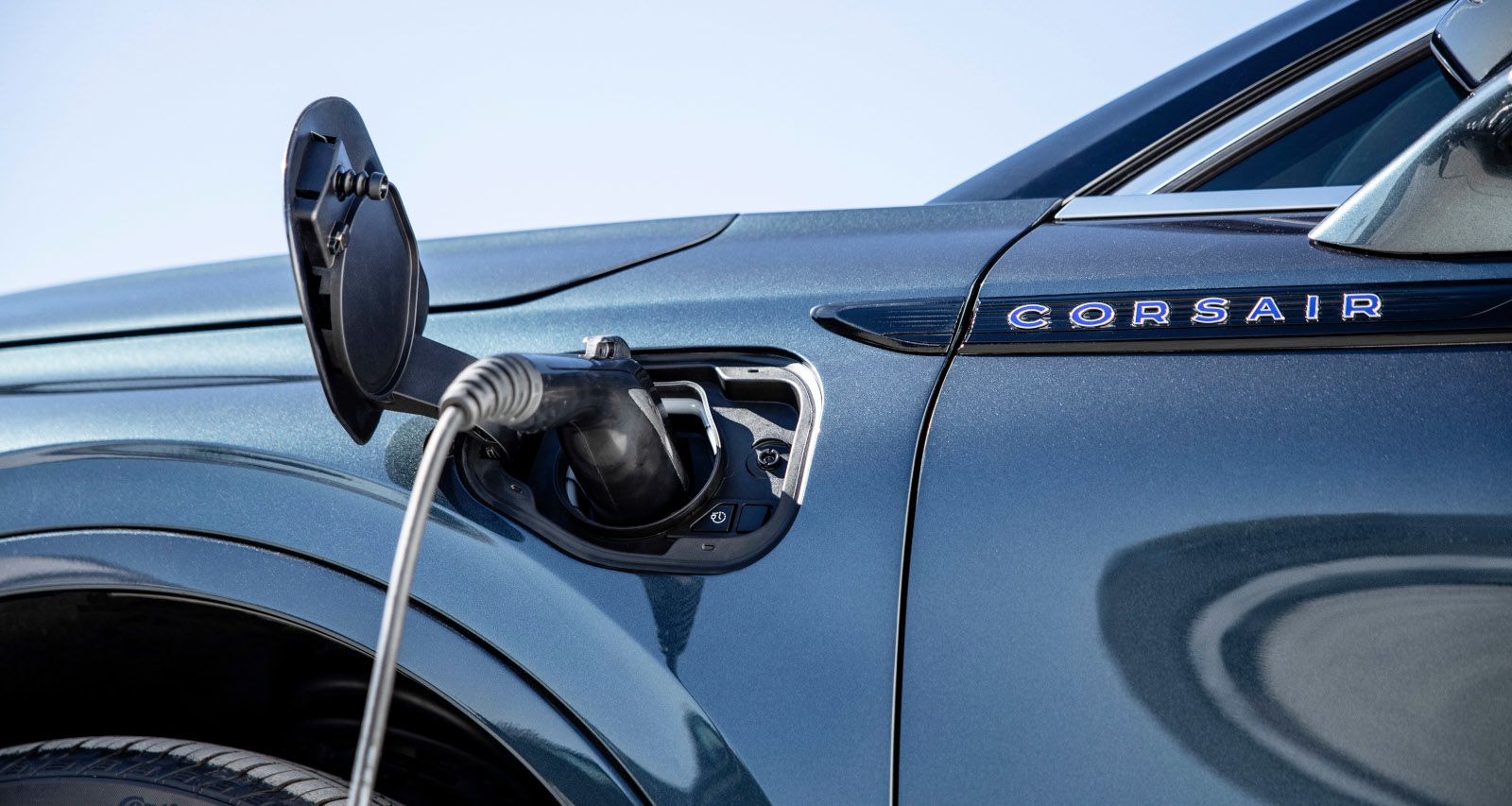
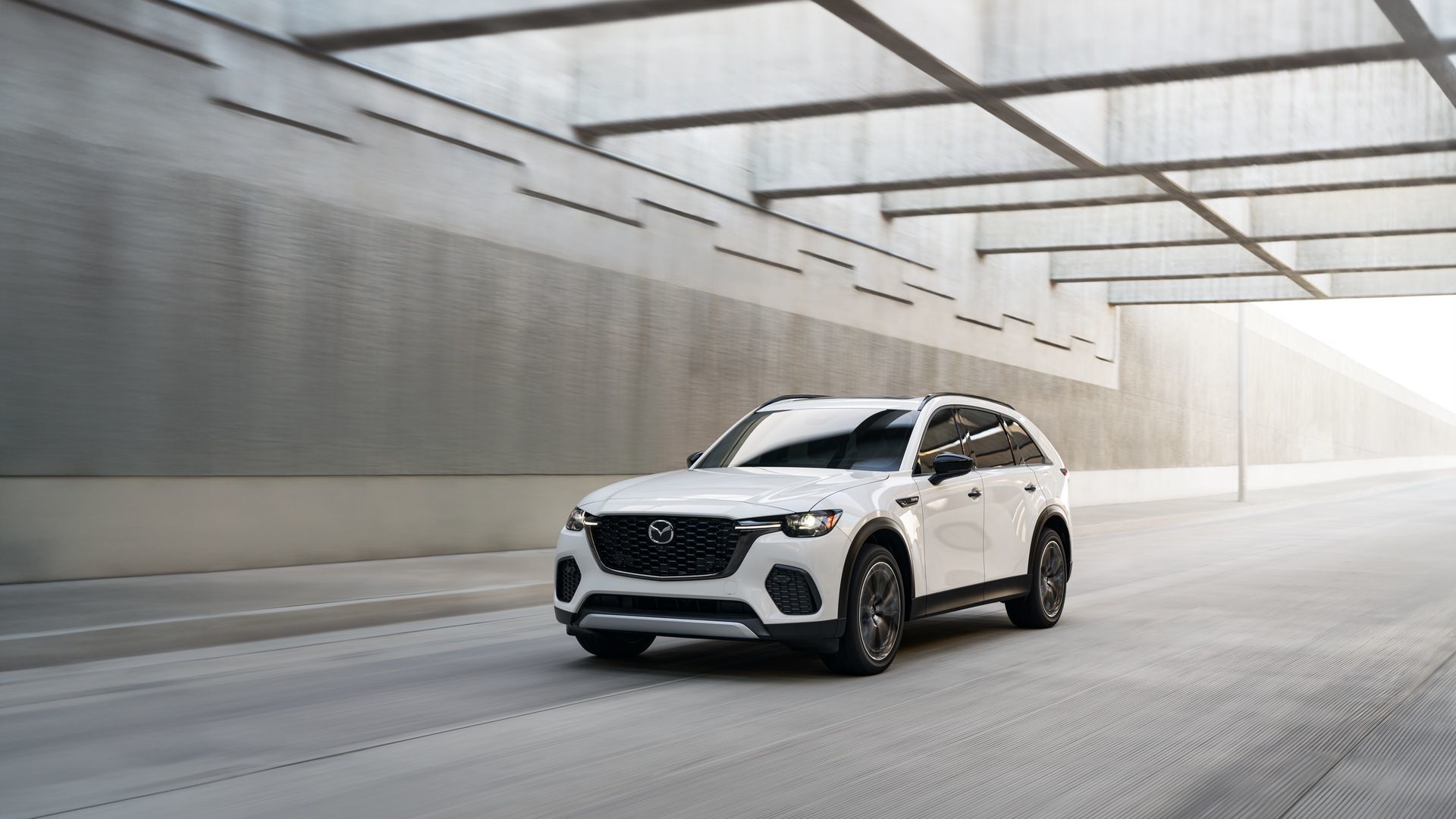
These aren’t abstract categories. They show up directly in the electrified options moving through Vancouver Island and Lower Mainland driveways right now. The 2026 Mitsubishi Outlander PHEV pairs a 2.4 L four-cylinder engine with a 22.7 kWh battery for an electric-only range of 72 kilometres, enough to cover most daily commutes without the engine ever starting. The 2026 Mazda CX-90 Plug-In Hybrid uses a 2.5 L four-cylinder engine and a 17.8 kWh battery for up to 42 kilometres of electric range, while the Lincoln Corsair Grand Touring plug-in hybrid pairs its 2.5 L four-cylinder engine with an electric motor for up to 43 kilometres on a full charge. All three are built around the same idea: enough battery to disappear into daily driving, with a gasoline engine standing by for everything else.
On the conventional hybrid side, the Ford Maverick Hybrid pairs a 2.5 L four-cylinder engine with an electric motor for 191 horsepower, never needs to be plugged in, and leans on regenerative braking alone to return some of the strongest city fuel economy in its class. It’s the same underlying idea as the plug-in hybrids above, minus the charging cable and minus the electric-only range.
|
Model |
Powertrain Type |
Electric-Only Range |
|
Mitsubishi Outlander PHEV |
Plug-in hybrid |
72 km |
|
Mazda CX-90 Plug-In Hybrid |
Plug-in hybrid |
42 km |
|
Lincoln Corsair Grand Touring |
Plug-in hybrid |
43 km |
|
Ford Maverick Hybrid |
Conventional hybrid |
Self-charging only, no plug |
Incentives Are Shifting, So Confirm Before Assuming
Government incentive programs for electrified vehicles, both federal and provincial, have changed more than once over the past year or two, and eligibility rules can vary by model, price, and where a vehicle was built. Whatever number came up in conversation last spring, or whatever turned up in an online search six months ago, may no longer apply today. It’s worth confirming current eligibility directly before it factors into a purchase decision, rather than assuming last year’s rules are still in place. Programs like these tend to move faster than most buyers expect.
Your Driveway Decides, Not the Badge
A hybrid and a plug-in hybrid can look nearly identical from the outside: same body style, same badge, sometimes even the same base engine under the hood. What separates them is invisible until someone actually lives with one, whether there’s a cable running to the garage most nights, and whether the daily distance asks more of a battery or a fuel tank. Match the powertrain to the commute actually being driven, not the one imagined on a road trip, and either technology will do exactly what it’s built to do.