Five Questions Every BC Family Should Ask Before Buying a Three-Row SUV
May 28 2026,
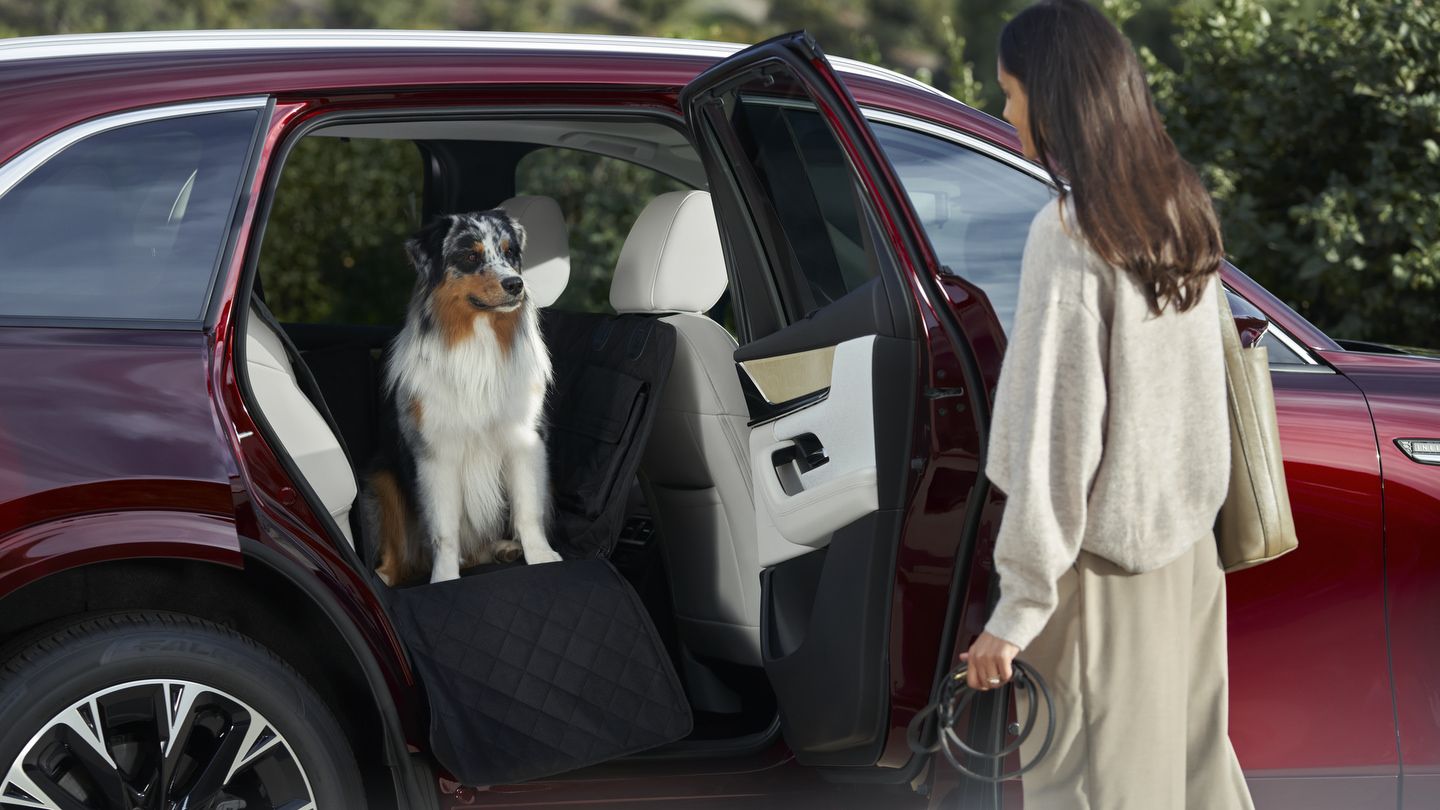
Shopping for a three-row SUV sounds straightforward until you’re standing in the driveway wondering why the third row is always folded down, why the hockey bag barely fits, or why the tech feels like it belongs in a rental car. The spec sheet told you what the vehicle could do. Daily life tells you whether it actually works for your family.
Carson Automotive Group in Victoria represents Ford, Lincoln, Mazda, Mitsubishi, and Land Rover — a range that covers everything from the value-conscious to the luxury-minded in the three-row segment. Rather than ranking models against each other, this guide walks through five decisions that determine whether a three-row SUV genuinely improves your daily routine or just adds a few extra seats that go unused.
Decision 1: How Often Will You Actually Use the Third Row?
This is the most important question, and most shoppers skip it. A third row exists on paper in every model listed here, but they are not all the same in practice.
If the third row is an emergency seat — a spot for a carpool kid once a week or an extra seat on the rare road trip — then a tighter, more reclined third row is perfectly acceptable. The Mazda CX-90 fits this profile well. Its cabin skews toward a premium second-row experience, with the third row functioning best for shorter trips or smaller passengers.
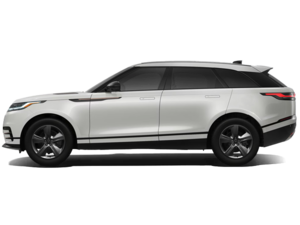
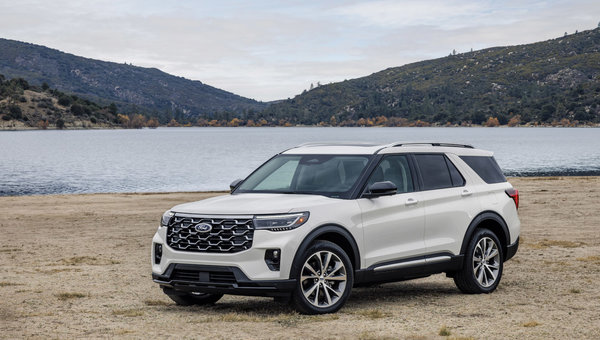
If you regularly have six or seven on board — school carpools, sports teams, weekend trips with grandparents — then outright third-row comfort matters more. The Ford Explorer offers seating for up to seven with a practical layout that has made it one of the best-selling three-row family SUVs in Canada. The Lincoln Aviator and Land Rover Discovery bring more premium materials and additional legroom to the back row, making regular third-row use far more comfortable for adults on longer drives. Discovery’s seating layout is often cited for its relatively generous third-row accommodation compared to segment peers.
- The Mazda CX-90 works well when the third row is occasional
- The Ford Explorer suits active families who need seven seats regularly
- Lincoln Aviator and Land Rover Discovery are better suited for frequent adult use of all three rows
Decision 2: What Cargo Do You Actually Carry?
Total cargo volume numbers are useful, but they rarely tell the whole story. What matters is how much space is left behind the third row with everyone seated, and how easy it is to load what you carry on a typical week.
The Ford Explorer is known for strong overall passenger volume and competitive cargo ratings in the midsize three-row class. If you are running a stroller, two hockey bags, and a week’s worth of groceries, Explorer’s cargo floor and rear hatch give you real room to work with even when all seats are occupied.
The Mazda CX-90 trades some cubic space for a more upscale interior and tighter packaging. Cargo capacity with the third row in use is adequate but not the class leader. For families whose gear load is moderate — a couple of duffel bags, a collapsible stroller, a light cooler — CX-90 handles the task without complaint.
The Land Rover Discovery is positioned as an adventure-capable family SUV, and the cargo flexibility shows when the third row is folded. Roof boxes and load management matter on long drives or ferry trips, and Discovery’s ability to swallow outdoor gear makes it a strong fit for families who spend time on or near the water, on snow, or on trails.
|
Model |
Third-Row Cargo Trade-Off |
|
Ford Explorer |
Strong overall volume; practical load floor |
|
Mazda CX-90 |
Adequate with all seats; more upscale feel |
|
Lincoln Aviator |
Premium layout; good cargo behind second row |
|
Land Rover Discovery |
Best flexibility with third row folded; adventure-ready |
Decision 3: What Level of Safety Technology Do You Expect?
Crash-test ratings and airbag counts are a starting point, not an endpoint. The more useful question is which active safety systems come standard, and how capable they are in the driving conditions your family actually faces.
All four models offer advanced driver-assist suites that go well beyond basic automatic emergency braking. The Ford Explorer carries Ford’s Co-Pilot360 technology, which includes lane-keeping assistance, blind-spot monitoring, and adaptive cruise control, with more capable features available on higher trims. The Mazda CX-90 includes Mazda’s i-Activsense suite as standard, covering radar-based cruise control, blind-spot monitoring, rear cross-traffic alert, emergency lane keeping, and driver attention alert from the base trim up.
Lincoln’s Aviator layers on additional precision with its driver-assist suite, and BlueCruise hands-free highway driving is available on select trims. Land Rover’s Discovery offers Lane Keep Assist, Blind Spot Assist, Traffic Sign Recognition, and a Driver Condition Monitor that watches for signs of fatigue on long drives.
For families covering long highway distances, dealing with stop-and-go traffic, or driving in poor weather, these systems reduce fatigue and add a meaningful layer of confidence — particularly for tired parents on a Friday afternoon ferry lineup.
Decision 4: How Much Power and All-Weather Capability Do You Need?
Powertrain choice shapes daily driving more than most buyers expect. This is especially true on routes with elevation changes, gravel stretches, or seasonal snow.
The 2026 Ford Explorer starts with a turbocharged 2.3 L 4-cylinder engine producing 300 hp and is available with Intelligent 4WD. Higher-output performance trims push that figure to 400 hp for drivers who want more urgency on the highway. The new Tremor trim adds increased off-road capability for buyers who occasionally venture off the pavement.
The Mazda CX-90 uses a turbocharged inline-six engine with mild-hybrid technology and standard i-ACTIV all-wheel drive across the lineup. This combination delivers strong mid-range response, a composed highway feel, and usable efficiency in everyday driving.
The Lincoln Aviator’s twin-turbocharged 3.0 L V6 engine produces 400 hp and 415 lb-ft of torque with standard all-wheel drive, making it the quickest option in this group for confident passing and merging. The Aviator reaches 100 km/h in approximately 5.4 seconds.
The Land Rover Discovery brings genuinely capable all-wheel drive hardware suited to gravel roads and moderate trails, alongside strong towing ratings. With the 3.0 L P360 inline-six engine, Discovery can tow up to 8,200 lbs (3,719 kg) when properly equipped, making it the right pick for families who tow a boat, a trailer, or a horse float.
Decision 5: Which Technology and Comfort Features Keep Your Family Sane Every Day?
Cabin technology and everyday comfort features rarely show up prominently in a spec summary, but they make a real difference on a 45-minute school run or a four-hour drive up island.
All four models offer large touchscreens with Apple CarPlay and Android Auto, multiple USB charging ports, and available rear-seat features that help keep passengers occupied. The difference lies in how the systems are executed and how much comfort is layered in at each price point.
The Ford Explorer and Mazda CX-90 bring tech-rich mainstream experiences. Explorer’s SYNC 4 system is straightforward and responsive. The CX-90’s interface is clean and driver-focused. Both support the connected-service features most families already rely on.
The Lincoln Aviator steps up with a more premium audio system, a refined ambient environment, and available captain’s chairs in the second row that make longer trips significantly more comfortable for adult passengers. Available rear climate controls give back-seat passengers more autonomy, which matters on mixed-weather days.
The Land Rover Discovery pairs strong technology with premium materials and a high-quality cabin that holds up well over time. Its driver-facing tech includes a large central display and configurable off-road and terrain controls that double as practical tools for BC’s varied road surfaces.
|
Feature Area |
Explorer |
CX-90 |
Aviator |
Discovery |
|
Infotainment |
SYNC 4 |
Mazda Connect |
SYNC 4A |
Pivi Pro |
|
Driver Assist Suite |
Co-Pilot360 |
i-Activsense |
Co-Pilot360+ / BlueCruise |
InControl Assist |
|
Seating Config |
7-passenger bench or captains |
6 or 7-passenger |
6 or 7-passenger |
7-passenger |
|
Towing (max, properly equipped) |
⚠️ Contact us for detailed specifications. ⚠️ |
⚠️ Contact us for detailed specifications. ⚠️ |
5,000 lbs (2,268 kg) |
8,200 lbs (3,719 kg) |
Which Three-Row SUV Is Right for Your Family?
There is no single right answer because families use these vehicles differently. An Explorer makes sense for the family that needs a practical, well-rounded three-row with proven reliability and a strong safety suite at an attainable price. The CX-90 suits buyers who want a more refined, premium feel with a driver-focused character and don’t need maximum third-row space. The Aviator is for families that want genuine luxury with real capability and a smooth, quiet interior for longer journeys. And the Discovery fits families who actually use the outdoors — who tow, who hit gravel roads, and who want an SUV that keeps up without complaint.
The five decisions above give you a framework for working through which priorities matter most. Once you know how often your third row actually gets used, what you carry every week, and how important advanced driving technology is to you, the right model becomes a lot clearer.
Talk It Through at Carson Automotive Group in Victoria
The best way to settle the debate is to sit in each one. Visit Carson Automotive Group in Victoria to compare the Ford Explorer, Mazda CX-90, Lincoln Aviator, and Land Rover Discovery side by side. The team can walk you through how each model handles your family’s specific priorities and help you find the fit that works every single day, not just on paper.