Fall on Coastal Roads: How Rain-Sensing and Traction Tech Read Wet Pavement
August 26 2026,
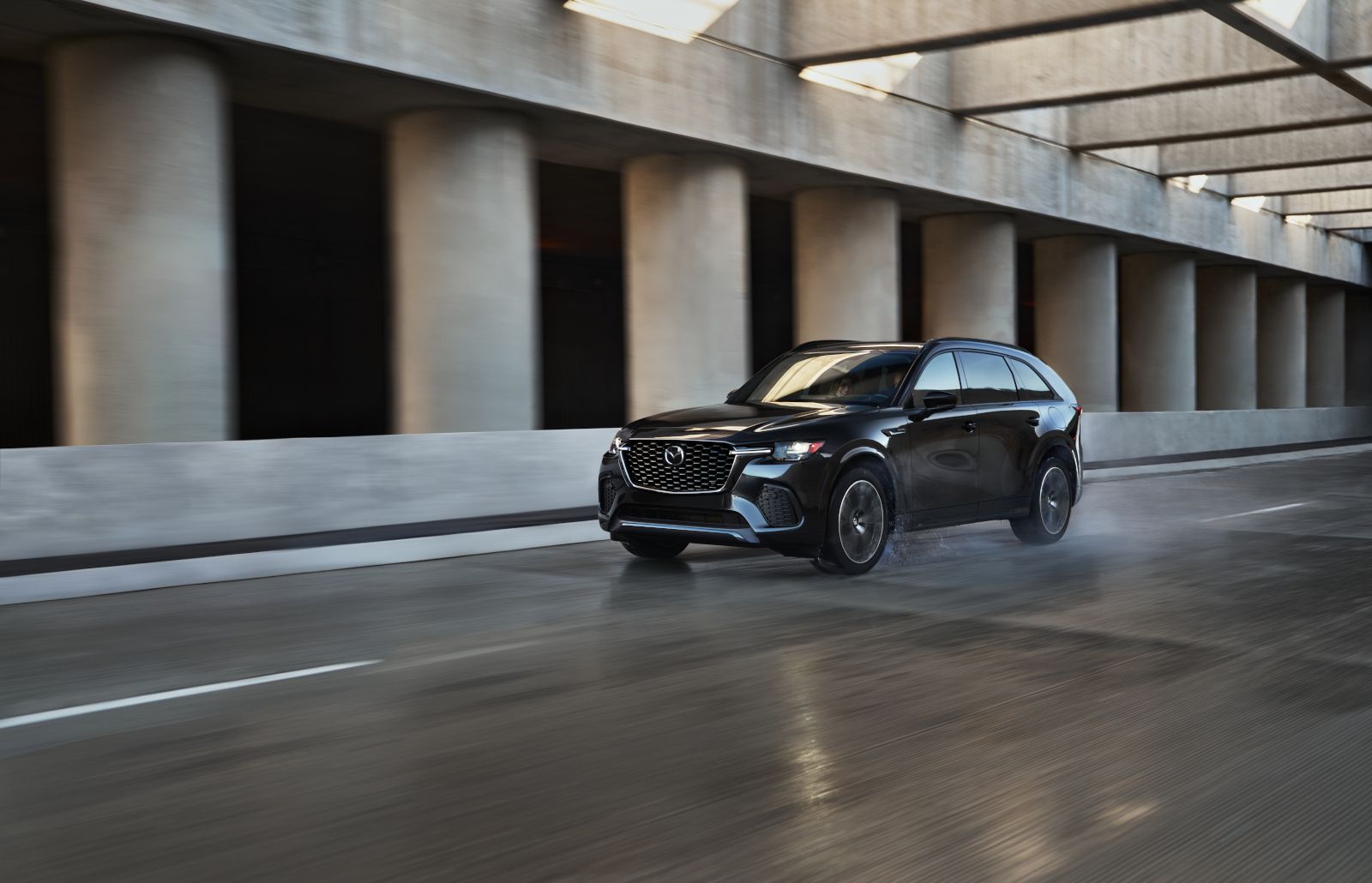
The first real rain of the fall on the Pat Bay Highway has a particular look to it. After a dry summer, the surface goes slick with a sheen of oil and dust that hasn’t washed away yet, the spray off the truck ahead turns the windshield to static, and somewhere in the first few seconds the wipers switch on before the driver’s hand has reached the stalk. It’s a small thing, easy to miss, but it’s the vehicle noticing the weather a beat before the person driving it does.
That moment is a useful way into a bigger idea. A modern vehicle isn’t reading the rain in one place. It’s reading it through the windshield, through the tires, and through the steering, and it’s using what it learns to make decisions that used to be left entirely to a driver’s instincts. Across the lineup at Carson Automotive Group, that reading happens through a handful of different systems with different names, all working the same basic problem. The interesting part is how each one senses a wet road, and just as important, where its reading stops.
How a Windshield Knows It’s Raining
A rain-sensing wiper system depends on a small optical sensor tucked behind the rearview mirror, pressed against the inside of the glass. Inside it, infrared LEDs fire light at the windshield on an angle, and on dry glass nearly all of that light bounces back to a receiver. When rain lands on the outside, each drop scatters some of that light away instead of reflecting it, and the sensor reads the dip in returned light as a measure of how much water is on the glass.
The control unit turns that reading into wiper behaviour. A light drizzle produces a small drop in reflected light and a slow, intermittent sweep. A downpour produces a large drop and continuous high-speed wiping. The system re-checks constantly, which is why the wipers seem to slow down on their own when a squall passes. Some vehicles use a different sensing method, measuring changes in electrical capacitance across the glass or the impact frequency of drops on a small plate, but the infrared approach is the one most drivers on the road today are relying on.
The Wiper Signal Doesn’t Stop at the Wipers
Here’s the part that surprises people. On many current all-wheel-drive systems, the fact that the wipers are running is itself an input. The traction system treats an active wiper signal, along with outside temperature, steering effort, and throttle position, as early evidence that the road is wet before any tire has slipped.
That’s the difference between a reactive system and a predictive one. Older all-wheel drive waited for a wheel to spin and then sent torque elsewhere to catch it. A predictive system starts shifting torque toward the wheels with the most grip the moment the evidence points to a slick surface. Mazda’s version is the clearest example of the approach: its i-Activ AWD monitors 27 sensor channels more than 200 times per second, and wiper activity and ambient temperature are two of them. By the time a driver feels the front end go light on a wet on-ramp, the system has often already moved power rearward.
Where the Reading Runs Out

The season matters here. The first rains after a dry stretch are the slickest of the year, because months of oil and rubber residue lift off the pavement and sit on the surface until enough rain has washed them away. A predictive traction system earns its keep on exactly those mornings, when the road looks only mildly wet and behaves like something much worse.
Sensors have limits, and a coastal fall is exactly where those limits show up. Heavy rain and road spray scatter the radar and camera signals that collision-warning and adaptive cruise systems depend on, the same way raindrops scatter the light inside a rain sensor. When that happens, some driver-assist features reduce their own function or pause entirely until conditions clear, and the dashboard will usually say so. That’s the system being honest about what it can’t see, not a fault.
Hydroplaning is the harder limit. Once the tires are riding on a film of water rather than pavement, typically at speeds above 60 km/h on a road with standing water, no traction system can help, because there’s nothing for the tires to grip. What matters in that moment is the driver, and ICBC’s guidance is worth knowing by heart:
- Ease off the accelerator and let the vehicle slow on its own rather than braking
- Keep the wheel steady and steer gently in the direction you want to go until the tires reconnect
- Leave cruise control off on wet roads, since it can hold or add speed at the wrong moment
- Stretch following distance to four or five seconds, well past the usual two
Wet brakes deserve a mention too. After driving through deep water, a few light applications of the brake pedal help dry the pads before they’re needed at full strength.
How This Shows Up in the Vehicles Already Being Cross-Shopped
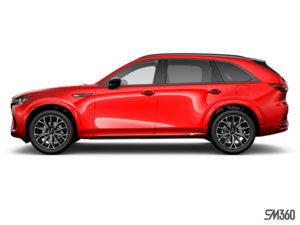
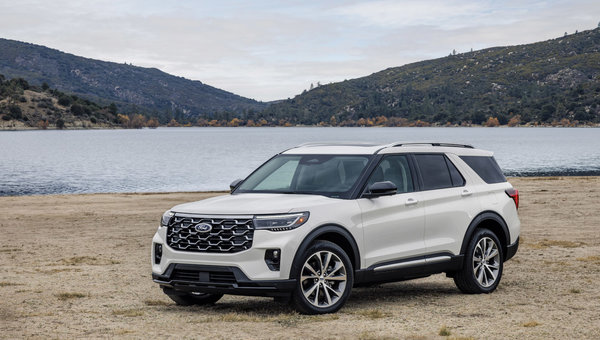
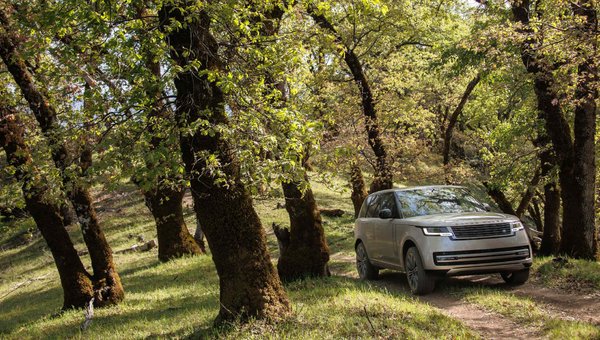
The badge changes the name of the system, but the job is consistent across the group’s lineup. Ford’s Intelligent AWD continuously watches for changes in grip and shifts torque between the front and rear axles on its own, without a driver touching a setting. Mitsubishi’s Super All-Wheel Control on the Outlander goes a step further in integration, tying torque distribution, Active Yaw Control, and brake-based stability control into one system, with driver-selectable modes tuned for different surfaces. Mazda pairs i-Activ AWD with G-Vectoring Control Plus, which adds a light, brake-based correction mid-corner to keep the vehicle settled on slick pavement. Land Rover’s Terrain Response lets the driver choose a surface setting on a rotary dial, and All-Terrain Progress Control can hold a low, driver-set speed on low-grip surfaces, wet pavement included, so the driver handles only the steering.
|
Brand |
System |
How It Reads Wet Pavement |
|
Ford |
Intelligent AWD |
Monitors grip continuously, shifts torque between axles automatically |
|
Mitsubishi |
Super All-Wheel Control (S-AWC) |
Integrates torque split, yaw control, and brake-based stability |
|
Mazda |
i-Activ AWD + G-Vectoring Control Plus |
Uses wiper and temperature inputs to pre-empt slip; brake-based yaw correction |
|
Land Rover |
Terrain Response + All-Terrain Progress Control |
Driver-selected surface modes; holds set speed on low-grip surfaces |
The Season the Sensors Were Built For
The west coast of Vancouver Island includes some of the wettest places in North America, and the roads leading there spend a good part of the year under water in one form or another. That’s the environment these systems were designed around: a windshield that knows it’s raining before the driver does, an all-wheel-drive system that takes the wiper switching on as a cue to prepare, and a set of honest limits where the technology hands the job back to the person behind the wheel. The first slick morning of the season is where all three meet, and knowing which is which is most of what safe fall driving comes down to.