Powering the Campsite: The Rise of Vehicle-to-Load (V2L) Technology
April 13 2026,
Spring camping season on Vancouver Island brings a new kind of quiet to remote sites. Instead of the familiar rumble of gas generators, more campers are plugging LED strings, coolers, and espresso machines directly into their vehicles.
Vehicle-to-load technology turns 2026 EVs and plug-in hybrids into mobile power sources, delivering household electricity from the traction battery to run gear anywhere a vehicle can reach.
V2L works through built-in hardware that converts high-voltage battery power into standard 120 V AC electricity. You plug camping equipment into outlets located in the cabin, cargo area, or tailgate, just like plugging into a wall socket at home.
This is distinct from vehicle-to-home systems that require transfer switches and utility approval, or vehicle-to-grid setups that feed power back to the electrical grid. V2L is simpler: it's an outlet you can use anywhere.
An average draw of 300 to 400 W across an evening—lights, cooler, charging—consumes roughly 1.2 to 1.6 kWh over four hours, a manageable fraction of a mid-teens kWh battery.
What 2026 PHEVs and EVs Deliver
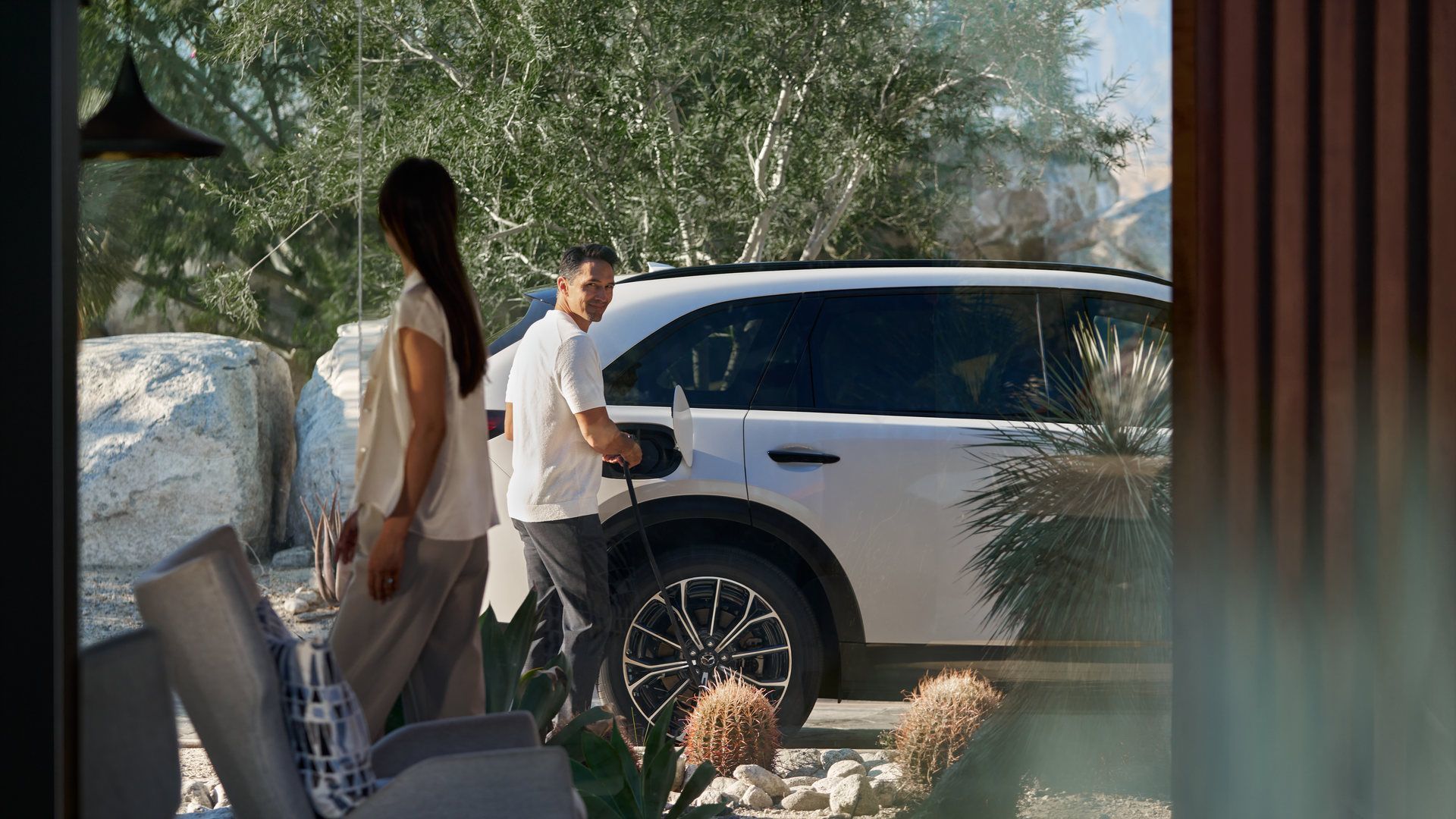
Plug-in hybrids now offer genuine campsite power capability. The Mazda CX-90 PHEV includes a 120 V AC outlet rated up to 1,500 W, designed to run household accessories directly from the high-voltage battery.
The Mitsubishi Outlander PHEV provides dual AC outlets delivering a combined output up to 1,500 W, explicitly marketed for camping, outdoor cooking, and emergency backup.
Both systems include overload protection and battery management controls. PHEVs add a practical safety net: if the battery depletes during extended use, the gasoline engine can maintain charge or take over propulsion, keeping you mobile on remote trips.
The Ford F-150 Lightning takes this further with Intelligent Backup Power capability, allowing the truck to supply home power during outages through compatible equipment.
The Opel Corsa Electric, rated at 115 kW, offers the growing availability of V2L across fully electric passenger vehicles.
Key Specs at a Glance
|
Feature |
Mazda CX-90 PHEV |
Mitsubishi Outlander PHEV |
Ford F-150 Lightning |
|
Powertrain |
PHEV |
PHEV |
EV |
|
Outlet Voltage |
120 V |
120 V |
Bidirectional compatible |
|
Maximum Output |
1,500 W AC |
Dual outlets, 1,500 W combined |
Intelligent Backup Power |
|
Key Use Cases |
Camping gear, remote work |
Outdoor cooking, emergency power |
Home backup, job sites |
|
Safety Features |
Overload protection, battery management |
Overload protection, battery management |
Battery management system |
What You Can Actually Run

A 1,500 W outlet handles typical Island camping loads when managed sensibly. LED string lights and lanterns draw a few watts each. Phone and laptop chargers pull tens to low hundreds of watts.
A compact electric cooler or 12 V fridge cycles between 50 and 100 W. A small induction cooktop or kettle uses 1,200 to 1,500 W in short bursts. A compact espresso machine typically draws 1,000 to 1,500 W while heating.
The key is avoiding simultaneous high-draw appliances. Running an espresso machine while an induction cooktop heats will exceed the 1,500 W limit and trigger overload protection. Stagger high-wattage tasks and keep continuous loads modest.
Owner's manuals explain how to enable the outlet and stay within rated limits. The vehicle's battery management system protects against unsafe depletion, treating external loads as controlled accessories. Use weather-appropriate extension cords and keep connections away from standing water, just as you would with a portable generator.
Island Camping Scenarios
Tofino and Ucluelet surf weekends benefit from silent power. Run a small induction cooktop for morning coffee, keep a powered cooler running overnight, and charge action cameras without disturbing neighbouring campsites or violating "no generator" rules.
Lake Cowichan and Strathcona campgrounds allow ambient LED lighting, a projector for family movie nights, and a laptop for remote work - all powered from the vehicle. No fuel to carry, no exhaust fumes, no noise complaints.
Power bumps at home in Nanaima or Victoria turn the PHEV into a large portable battery pack. Keep phones, laptops, and a low-draw light running during an outage by plugging into the vehicle's 120 V outlet.
Safety and Battery Health
The AC outlet systems on the CX-90 PHEV and Outlander PHEV include overload protection and clear maximum ratings. The vehicle limits or cuts power if you exceed what the outlet can safely provide. High-voltage batteries and power electronics are managed by battery management systems that protect against unsafe depletion.
Using the built-in outlet within its limits is an intended use case. External loads are controlled accessories from the vehicle's perspective, and normal cycling does not harm the battery beyond regular use, especially when the vehicle is recharged regularly from the grid.
Shopping for Campsite-Friendly Capability
Ask these questions when exploring V2L-equipped vehicles:
- Does this EV or PHEV have a 120 V AC outlet, and where is it located?
- What is the maximum continuous wattage?
- Are there usage conditions, such as the vehicle needing to be in READY mode or the parking brake applied?
- For PHEVs, how large is the battery, and how does the engine behave when the battery depletes?
The Mazda CX-90 PHEV offers a 120 V outlet rated up to 1,500 W for trunk-side power. The Mitsubishi Outlander PHEV provides dual outlets up to 1,500 W combined for camping and emergency use. The Ford F-150 Lightning delivers Intelligent Backup Power for home and job site applications.
The Verdict for Island Adventurers
The same SUV that handles weekday commutes can quietly power a long-weekend camp setup on the West Coast. No separate generator, no extra fuel, no noise.
V2L technology turns traction batteries into mobile power sources, delivering household electricity wherever a vehicle can reach. Spring camping season on Vancouver Island now includes a new option: plug your gear into your vehicle and enjoy the silence.