Sizing Up Your Needs: Compact vs. Mid-Size Luxury SUVs for the Modern Family
March 27 2026,
A family of four stands in a showroom, stroller in one hand, hockey bag in the other, trying to answer a question that sounds simple but rarely is: do we actually need a third row? For families navigating British Columbia's pairing of urban parking challenges and weekend adventure logistics, the compact-versus-mid-size SUV decision is less about status and more about honest self-assessment.
This guide walks through the five dimensions that matter most when choosing between a two-row compact and a three-row mid-size luxury SUV - a framework to help you match vehicle size to the actual geometry of your family's life.
Do You Actually Need That Third Row?
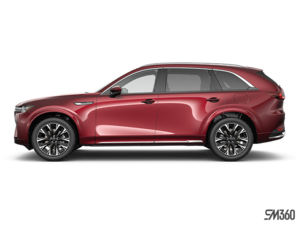
The third-row question is the most emotionally loaded part of this decision, and the most commonly misjudged. Families with three or more children, households that regularly carpool for sports teams, and buyers who frequently transport grandparents alongside kids genuinely benefit from a three-row configuration. The Mazda CX-90 offers seating for seven to eight passengers, making it practical for larger families.
The honest caveat: third-row seats in mid-size SUVs are designed primarily for children and occasional adult use. On long drives, adults in the third row will be more comfortable than in a minivan's back bench but less comfortable than in the second row. If your third row will seat adults regularly on highway trips, you may need a full-size platform.
The compact reality often surprises buyers. A well-designed two-row compact with a 60/40 split second row and flat load floor can feel more spacious for a family of four than a mid-size where the folded third row creates an uneven cargo surface. When the third row isn't in use, it's not adding value - it's subtracting cargo flexibility.
For families of four or fewer with no immediate plans to expand, a compact delivers the interior space you'll actually use without the footprint you won't.
Spring Sports Gear and Cargo Reality
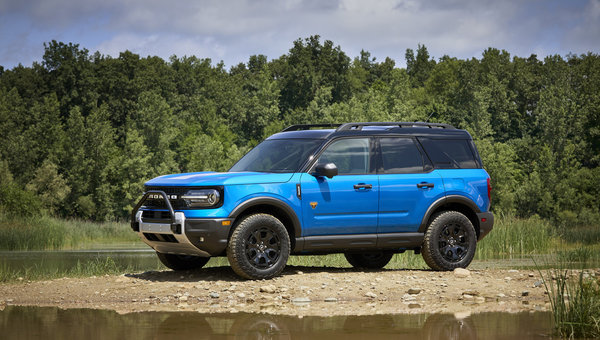
British Columbia families in late March face specific cargo scenarios: lacrosse gear, mountain bikes, camping equipment, paddleboards. These loads reveal whether your vehicle actually works.
Cargo volume figures typically measure space behind the last row of seats. The more useful number for active families is cargo volume with the second row folded - where compacts often surprise. A compact SUV with rear seats folded can load a mountain bike or camping cooler more easily than a three-row mid-size where the folded third row leaves a step that complicates loading.
The flat-load-floor advantage matters. Some vehicles fold their rear seats completely flat, creating a long, usable surface. Others leave a step or angle that turns every loading session into a geometry puzzle.
When evaluating cargo capacity, think about your most common spring and summer loads - not the once-a-year scenario, but the weekly reality of what you're actually hauling.
Fuel Efficiency and Monthly Operating Costs
For British Columbia families managing real household budgets, the monthly fuel cost difference between a compact and a mid-size is tangible. In conventional powertrains, a compact SUV typically delivers 1 to 2 L/100 km better combined fuel economy than a comparable mid-size. With British Columbia consistently posting some of Canada's highest gasoline prices, that efficiency gap translates to meaningful annual savings.
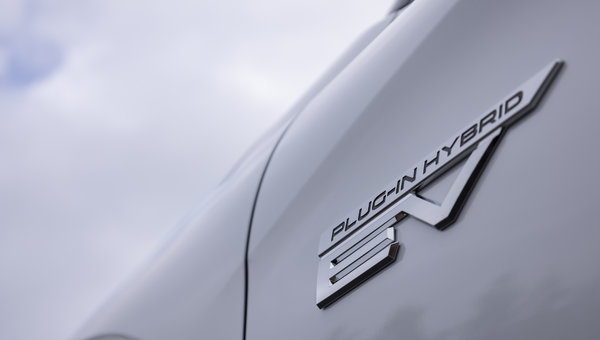
Plug-in hybrid options in mid-size vehicles have largely closed this gap for families who can charge regularly. The Mazda CX-90 is available with a PHEV powertrain, allowing families who commute within the electric range to pay less in monthly energy costs than a compact running on gasoline alone - while gaining third-row seating and cargo capacity. This is one of the strongest value propositions in the current luxury SUV market.
A family driving roughly 20,000 km annually in British Columbia will notice the fuel economy difference. A 2 L/100 km gap at current provincial pump prices adds up to a cost difference worth calculating before signing.
City Maneuverability and Parking

For urban British Columbia, this dimension genuinely differentiates. In tight street grids and downtown parkades, a compact SUV is measurably easier to park, easier to thread through narrow lanes, and less stressful to maneuver. The turning radius difference between a compact and a mid-size is not trivial in tight urban environments.
Many older parkades have clearance heights and width restrictions that become relevant for taller mid-size SUVs. If your daily driving includes navigating downtown parking structures or residential streets with limited space, the compact advantage is real and recurring.
Modern technology partially offsets the physics. Surround-view camera systems, active parking assist, and ultrasonic sensors make a larger vehicle far more manageable in tight spaces than it would have been five years ago. For buyers leaning toward a mid-size who are nervous about maneuverability, these features are worth prioritizing.
Interior Quality and the Premium Feel Per Dollar
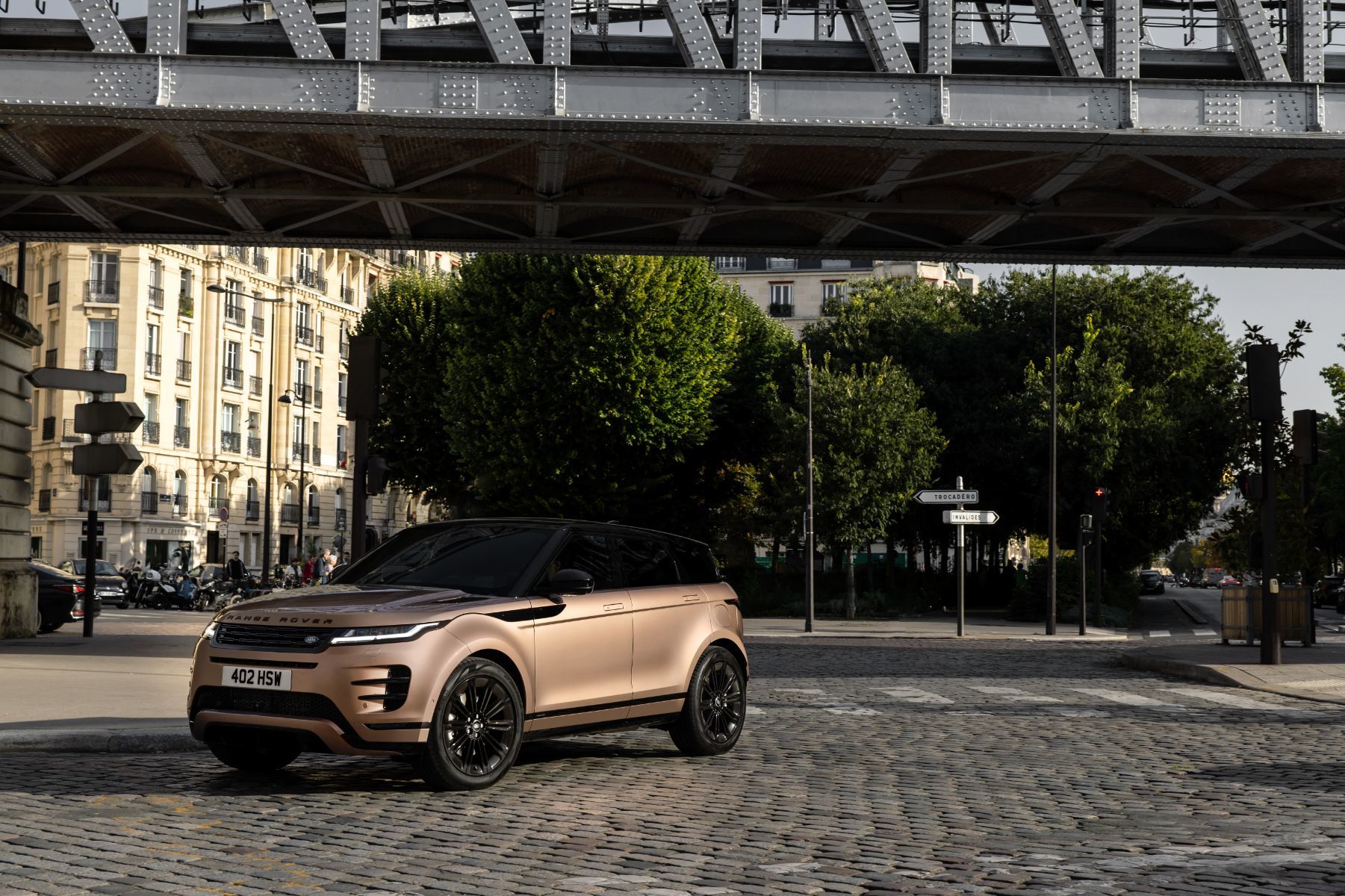
The compact luxury segment has made dramatic gains in recent years. A 2026 Lincoln Corsair, Jaguar E-PACE, or Land Rover Discovery Sport delivers an interior environment - materials, technology, acoustic quality, seat comfort - that would have required a larger, more expensive vehicle just a generation ago. Compact luxury is no longer a compromise category.
Where mid-size still wins on ambiance: longer wheelbases allow better second-row legroom, which reads as "space" and "airiness" that contributes to premium feel on long drives. For families doing significant highway driving rather than urban commutes, this spatial luxury is worth paying for.
Larger vehicles can absorb road irregularities and manage noise, vibration, and harshness more effectively than compacts, simply because there is more mass, more isolation material, and longer suspension travel. On British Columbia's pairing of smooth highways and rougher secondary roads, the ride quality difference is noticeable.
Match Your Vehicle to Your Life
A compact SUV is your match if:
- Your family has two to four members with no plans to change in the next three to four years
- Your primary driving is urban or suburban with regular tight parking
- Fuel economy or monthly operating cost is a meaningful consideration
- You prioritize a nimble driving feel and confident urban handling
- Your cargo needs are moderate - grocery runs, weekend gear, one set of sports equipment
A mid-size SUV is your match if:
- You have or are planning a family of five to seven
- You regularly carry extended family or carpool groups
- Your cargo needs include large items like full-size bikes or camping gear for multiple people
- You do significant highway driving where ride comfort and passenger space justify the size
- You can access home or workplace charging to make a PHEV mid-size an efficiency-neutral choice
- You frequently tow or carry roof-mounted loads where a longer wheelbase provides stability
Experience Both Categories in Person
There is no universally right answer - the best family SUV is the one that fits the specific geometry of a specific family's life. The easiest way to find out which category fits yours is to spend time in both.