Smart Traction: How Modern AWD Systems Anticipate Road Conditions
January 30 2026,
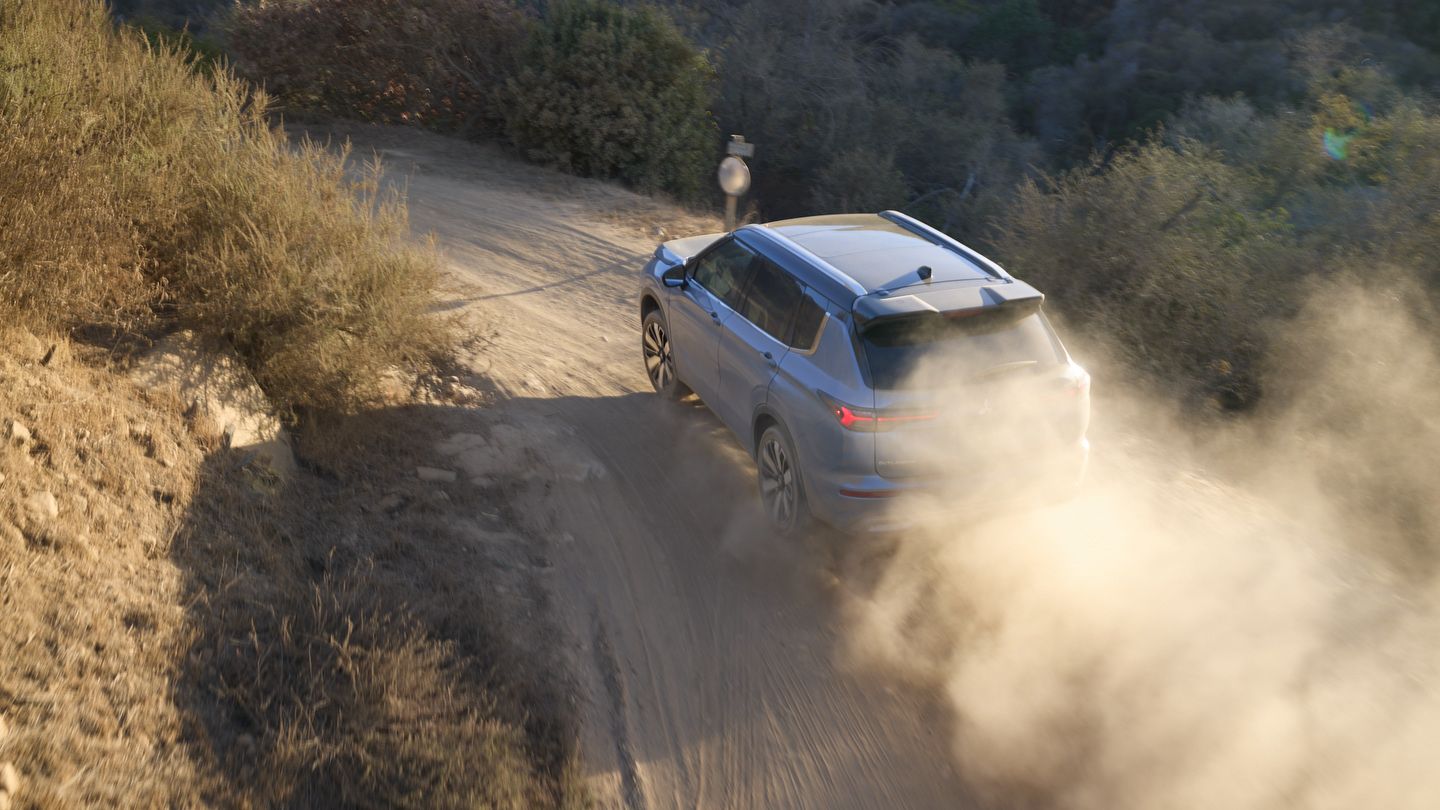
The difference between arriving safely and losing control comes down to milliseconds - the time it takes for traditional all-wheel drive systems to detect wheel slip and respond. By then, physics has already taken over. Modern AWD technology has fundamentally changed this equation by reading road conditions before your vehicle encounters them, shifting torque proactively rather than reactively.
Understanding how these intelligent systems work reveals why they're becoming essential equipment. From coastal rain to mountain snow, predictive AWD uses multiple data sources - sensors monitoring temperature and precipitation, cameras scanning the road ahead, and artificial intelligence processing vehicle dynamics - to make split-second decisions that keep you in control.
The Fundamental Shift: Reactive to Predictive
Traditional AWD systems operate on a simple principle: detect slip, then respond. When front wheels lose traction, sensors register the speed differential and engage rear-wheel power. This reactive approach works, but it means your vehicle is already sliding before correction begins. The delay might only be 200-300 milliseconds, but at highway speeds, that equals several metres of uncontrolled movement.
Predictive AWD systems flip this script entirely. They monitor dozens of inputs simultaneously - windshield wiper activation, outside temperature, steering angle, throttle position, and brake pressure. When you activate your wipers during a cold morning, the system recognizes potential for reduced traction and preemptively adjusts torque distribution. Before your tires encounter that slick patch, power is already flowing to all four wheels in optimal proportions.
Testing data shows predictive systems reduce understeer and oversteer events by up to 30% compared to reactive AWD. In real-world terms, this means maintaining your intended line through corners, avoiding obstacles more effectively, and reducing stopping distances on compromised surfaces.
How Predictive Systems Read Environmental Cues
Modern vehicles employ an array of sensors that feed data to the AWD control module:
- Rain sensors detect moisture on the windshield, triggering preemptive torque adjustments
- Temperature sensors monitor ambient and road surface temperatures to anticipate ice formation
- Wheel speed sensors track individual wheel rotation with extreme precision
- Steering angle sensors predict cornering forces and adjust torque accordingly
Advanced systems incorporate forward-facing cameras and radar that scan 100-200 metres ahead. These sensors identify potential hazards like standing water, gravel patches, or debris. Pattern recognition algorithms analyze road texture in real-time, distinguishing between dry pavement, wet surfaces, and loose materials. When the system detects a puddle ahead, it can shift to a 70/30 front/rear torque bias before you reach it, dramatically reducing hydroplaning risk.
The true intelligence lies in how systems process this flood of data. AI algorithms learn from thousands of driving scenarios, recognizing patterns that indicate reduced traction. The system correlates multiple inputs - temperature dropping while wipers activate suggests freezing rain. Heavy steering input combined with throttle application indicates aggressive cornering. Each scenario triggers specific torque distribution strategies optimized for that exact condition.
Comparing Predictive and Reactive Systems
|
Feature |
Reactive AWD |
Predictive AWD |
|
Response Time |
200-300 milliseconds from slip detection to torque adjustment |
Torque adjustment occurs before slip (effectively zero response time) |
|
Torque Distribution |
Limited to preset patterns (50/50, 60/40, 70/30) |
Infinitely variable from 0-100% at individual wheels, adjusted continuously |
|
Environmental Awareness |
Responds only to wheel speed differentials |
Integrates weather data, road surface scanning, GPS information, and driver inputs |
Predictive AWD also improves fuel efficiency by 5-10% in mixed driving. Instead of engaging full-time during detected slip, the system optimizes torque distribution for conditions, engaging AWD only when needed.
Real-World Benefits for British Columbia Drivers
British Columbia's coastal regions receive substantial annual precipitation, with Vancouver Island averaging over 1,500 millimetres. Predictive AWD systems excel in these conditions by recognizing rain patterns and adjusting torque distribution before traction loss occurs. When sensors detect wiper activation combined with decreasing temperatures, the system anticipates slippery conditions and maintains optimal power delivery to all wheels.
Interior mountain passes present rapidly changing conditions - dry pavement transitioning to wet, then snow, sometimes within minutes. Predictive systems monitor elevation changes and temperature gradients, adjusting AWD parameters as conditions shift. The technology proves particularly valuable during shoulder seasons when black ice forms unpredictably.
Integration with Driver Assistance
Predictive AWD works seamlessly with adaptive cruise control, lane-keeping assistance, and automated emergency braking. When the vehicle's forward collision warning system detects a potential impact, the AWD system simultaneously optimizes traction for maximum braking effectiveness. This integration creates a comprehensive safety network where individual systems enhance each other's capabilities.
Advanced systems leverage cloud connectivity to access real-time weather data and traffic information. When combined with GPS location, this allows the AWD system to anticipate conditions miles ahead. If weather services report freezing rain along your route, the system can adopt more conservative torque distribution strategies before you encounter the affected area.
Experience Advanced AWD Technology at Carson Automotive Group
Modern predictive AWD systems provide measurably improved control in challenging driving situations. By anticipating road conditions rather than reacting to them, these technologies actively work to keep you safe, often before you're aware a hazard exists.
Book a test drive at Carson Automotive Group to experience how predictive AWD adapts to BC's coastal rain and mountain passes. Our product specialists can demonstrate the specific capabilities of each system and help you select the technology that best matches your driving needs.