Wellness on Wheels: How Modern Vehicle Interiors Are Revolutionizing Driver Health
January 27 2026,
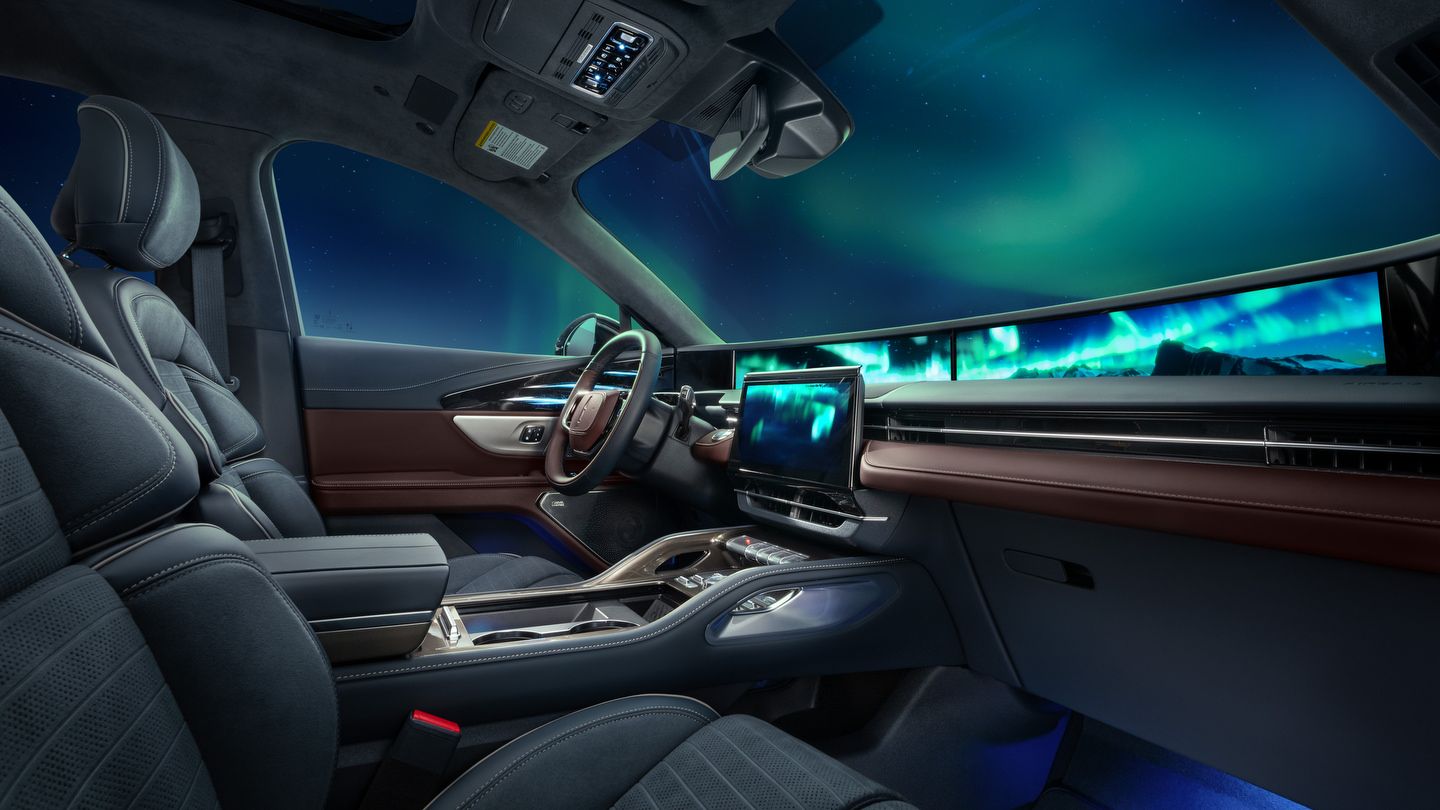
The average Canadian spends over 300 hours per year behind the wheel, yet until recently, automotive design prioritized performance and aesthetics over the physical toll of driving. Today's automakers are changing that narrative with interiors engineered around human wellness - transforming vehicles from mere transportation into mobile health sanctuaries.
Advanced ergonomic seating, medical-grade air filtration, and monitoring systems now address the reality that our cars have become extensions of our living spaces, particularly for British Columbia drivers navigating long coastal routes and mountain passes.
This shift reflects broader consumer priorities: recent industry research shows 68% of vehicle buyers now rank interior comfort and health features among their top three purchase considerations. From adaptive lumbar support that responds to your posture in real-time to cabin air systems filtering wildfire smoke and allergens, the 2026 model year brings wellness technology from luxury option to mainstream expectation.
For families commuting across Vancouver Island or professionals managing extended drives, these innovations directly address fatigue, circulation issues, and respiratory concerns that accumulate over thousands of kilometres.
The Science Behind Ergonomic Seating Design
Modern ergonomic seats go far beyond simple adjustability. Engineers now design seating structures using 3D body-scanning data from thousands of drivers, creating contours that maintain the spine's natural S-curve during extended periods of sitting. The key breakthrough involves dynamic support systems - seats that actively respond to your body rather than passively holding it in place.
Advanced models incorporate pneumatic chambers within seat cushions and backrests, inflating or deflating specific zones to counteract the pressure points that develop during long drives. This proactive approach prevents the muscle fatigue and lower back strain that affects 54% of regular drivers, according to ergonomic health studies.
Multi-zone adjustment capabilities now extend to areas previously overlooked: thigh extenders prevent circulation restriction on longer journeys, while shoulder bolsters adapt to different body frames without creating pressure on the upper spine.
Heated and ventilated seat functions serve therapeutic purposes beyond comfort - controlled warmth increases blood flow to reduce stiffness, while ventilation prevents the moisture buildup that contributes to discomfort during humid coastal weather.
Advanced Air Filtration for Respiratory Wellness
Cabin air quality has emerged as a critical health consideration, particularly in British Columbia where seasonal wildfire smoke and high pollen counts create respiratory challenges. Modern filtration systems employ multi-stage purification processes that dramatically outperform traditional cabin filters, capturing particles as small as 0.3 microns with efficiency ratings exceeding 99%.
High-efficiency filtration options now available in many wellness-focused interiors remove allergens, mold spores, and fine particulate matter that conventional filters miss. More advanced systems add ionization technology, which electrically charges airborne particles to make them easier to capture while neutralizing odours and bacteria.
Some manufacturers incorporate activated carbon layers to absorb volatile organic compounds and diesel exhaust fumes encountered in urban traffic.
The health benefits extend beyond allergy relief. Clean cabin air reduces driver fatigue by ensuring optimal oxygen levels, while eliminating irritants that cause eye strain and respiratory distress during long drives.
For British Columbia residents navigating smoke-affected air quality during summer months, these systems provide a mobile clean-air refuge. Real-time air quality monitoring displays allow drivers to track filtration effectiveness, with automatic recirculation modes activating when external air quality deteriorates.
Driver Monitoring and Posture Support
The most sophisticated wellness interiors now incorporate sensor arrays that monitor driver behaviour throughout the journey. Camera-based systems track attention levels through eye and head position, detecting early signs of fatigue through steering input analysis. This data feeds into vehicle systems that can suggest rest breaks, adjust climate settings for alertness, or activate massage functions to improve circulation.
Pressure-sensitive seat surfaces map weight distribution across the cushion, identifying slouching or asymmetric positioning that strains the spine. When poor posture is detected, some systems provide gentle haptic feedback through seat vibrations, prompting the driver to adjust position before discomfort develops.
More advanced implementations automatically modify seat contours to guide the body back into optimal alignment.
These technologies prove especially beneficial for drivers managing existing back conditions or recovering from injuries. Customizable support profiles can be programmed to accommodate specific therapeutic needs, while memory functions ensure consistent ergonomic positioning across multiple drivers.
Sustainable Materials and Sensory Wellness
The wellness revolution extends to the materials surrounding occupants. Automakers increasingly specify sustainable, hypoallergenic fabrics that enhance both environmental responsibility and occupant health. Bio-based leather alternatives eliminate the chemical treatments associated with traditional leather production, while recycled textiles reduce manufacturing environmental impact without compromising durability or comfort.
Material selection also addresses sensory wellness - the often-overlooked impact of textures, acoustics, and visual elements on driver stress levels. Acoustic glass and enhanced sound insulation create quieter cabins that reduce the cognitive load of processing road noise over hours of driving.
Strategic use of natural materials like wood trim and wool-blend fabrics provides tactile variety that feels more calming than synthetic uniformity.
Ambient lighting systems calibrated to circadian rhythms help maintain alertness during dawn and dusk driving, while reducing eye strain from harsh overhead illumination. Some manufacturers incorporate aromatherapy diffusers with subtle, non-distracting scents proven to enhance focus and reduce stress.
These sensory considerations recognize that wellness encompasses the complete cabin environment, not just physical support structures.
Key Wellness Features at a Glance
|
Feature Category |
Health Benefit |
Technology Examples |
|
Ergonomic Seating |
Reduces back strain, improves circulation |
Multi-zone pneumatic adjustment, zero-gravity recline, adaptive lumbar support |
|
Air Purification |
Filters allergens, smoke, and pollutants |
High-efficiency filtration, ionization, PM2.5 sensors, activated carbon layers |
|
Driver Monitoring |
Prevents fatigue, tracks attention levels |
Camera-based systems, posture mapping, fatigue detection algorithms |
|
Therapeutic Functions |
Enhances blood flow, relieves muscle tension |
Multi-program massage, heated/ventilated surfaces, dynamic bolsters |
|
Sustainable Materials |
Reduces chemical exposure, improves air quality |
Bio-based fabrics, recycled content, hypoallergenic treatments |
Experience Wellness-Focused Interiors at Carson Automotive Group
The integration of health-conscious design into modern vehicles addresses the real physical demands that British Columbia drivers face during daily commutes and extended road trips. As automotive interiors evolve into environments engineered for human wellbeing, the benefits extend from immediate comfort to long-term health outcomes, making every journey more restorative than taxing.
Our team at Carson Automotive Group understands that choosing a vehicle means selecting a space where you'll spend considerable time. Visit us to explore the latest wellness-focused interiors, with expert guidance on matching ergonomic features to your specific needs and driving patterns. Discover how modern automotive design prioritizes your health on every journey.