The 360-Degree Shield: The Evolution of Cross-Traffic and Blind-Spot Tech
March 26 2026,
A busy Saturday afternoon at a Costco parking lot: strollers weaving between rows, cyclists cutting through aisles, a lifted pickup blocking your sightline as you reverse. Fifteen years ago, only mirrors and neck rotation helped navigate this chaos. Today, radar sensors, cameras, and active safety systems detect threats you cannot see and intervene before you realize danger exists.
The evolution from a simple amber warning light to a full 360-degree active safety shield offers one of automotive safety's most significant advances. What began as a passive highway lane-change system has expanded into comprehensive architecture protecting drivers in low-speed parking environments, blind driveways, and congested urban corridors where pedestrians, cyclists, and vehicles move unpredictably.
From Passive Warnings to Active Intervention
First-generation blind-spot monitoring systems, introduced widely in the mid-2000s, used rear-facing radar sensors to detect vehicles in adjacent lanes. An amber light illuminated in the corresponding side mirror when a vehicle entered the detection zone. The system was entirely passive: it told drivers something was there and expected them to act. It offered no intervention, no audio escalation, and no coverage of cross-traffic or front quadrants. Range was limited, false positives were common, and the system was blind to anything below radar height - cyclists, children, and small animals were invisible.
The second generation, arriving in the mid-2010s, added urgency and a new detection plane. Systems included audible alerts that escalated if the driver activated the turn signal while a vehicle was detected, turning passive advisory into active warning. Rear Cross-Traffic Alert extended radar's sweep to detect vehicles, cyclists, and pedestrians approaching from the side during reversing - exactly the opening scenario. Some systems displayed visual representations of approaching objects on infotainment screens alongside backup camera feeds.
The third generation, now standard or available on most 2026 models, offers the transition from warning to action. Modern blind-spot systems can apply corrective steering torque or differential braking to resist or prevent lane changes when a vehicle is detected, even if the driver has begun the maneuver. This isn't autonomous override but firm, perceptible physical resistance through the wheel or momentary brake pulse. Research shows physical feedback is acted upon faster than visual or auditory alerts alone. Lincoln's Co-Pilot360+ includes active steering assist working with blind-spot detection, while Jaguar and Land Rover systems include blind-spot assist with braking intervention.
The Front Quadrant: Filling the Last Blind Spot
Front Cross-Traffic Alert uses front-corner radar to detect oncoming vehicles, cyclists, and pedestrians when nosing out of tight parking spaces or blind driveways before the driver can see around obstructions. This addresses scenarios rear-facing sensors and backup cameras cannot cover: when the vehicle's front enters the travel lane but the driver's sightline remains blocked.
Operating at speeds below 10 km/h, Front Cross-Traffic Alert triggers audible and visual warnings when detecting crossing traffic. Some systems apply brief brake holds to pause forward motion automatically, giving drivers time to assess. The technology is especially valuable in spring, when casual cyclists return to urban streets and move less predictably, often appearing suddenly at parking lot exits and residential driveways.
Augmented Reality and 360-Degree Surround-View

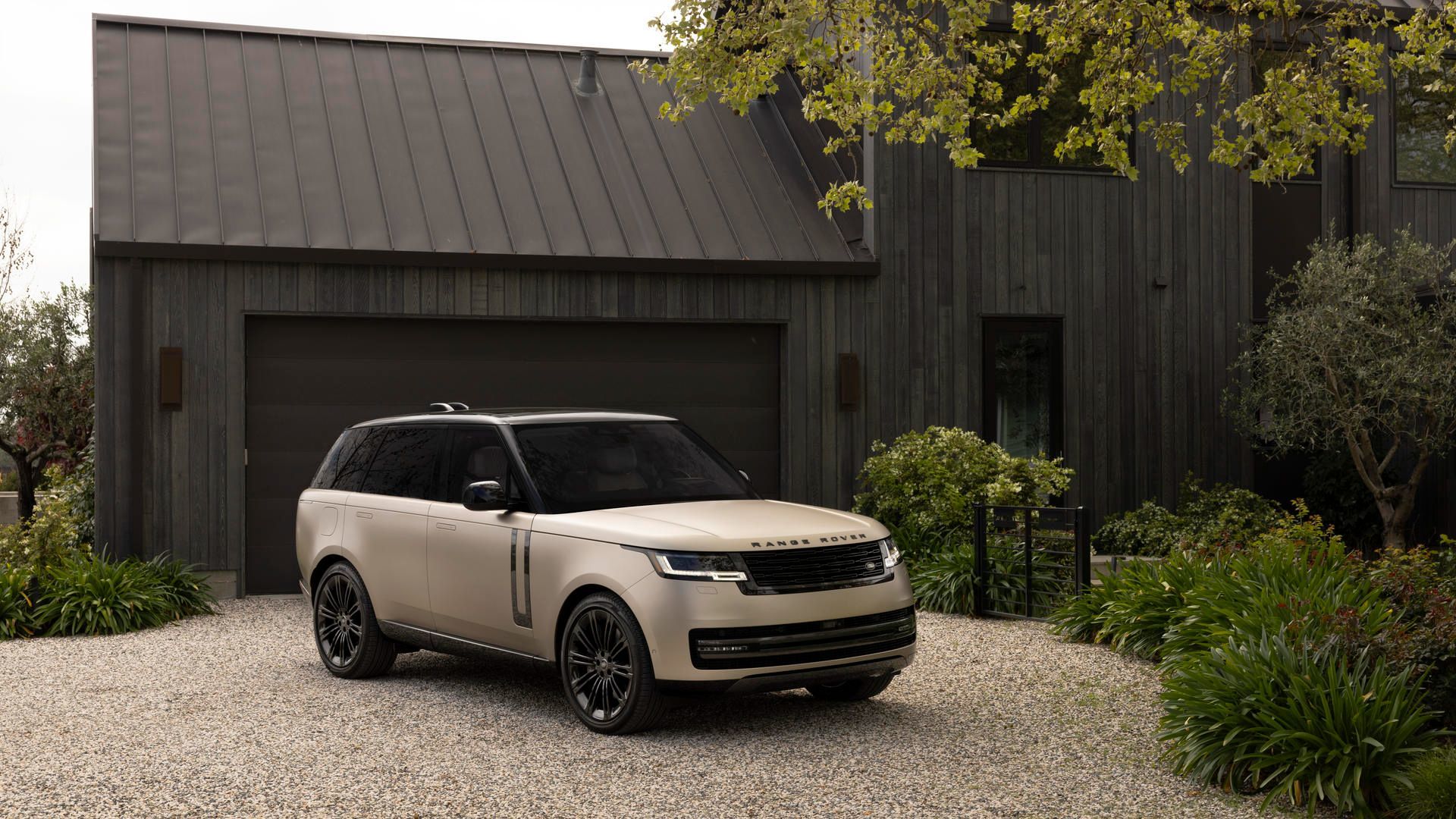
The leading edge of 2026 blind-spot presentation is augmented reality integration, overlaying threat indicators directly onto head-up displays or digital instrument clusters rather than requiring drivers to glance at mirror symbols or touchscreens. Advanced implementations paint visual envelopes around detected threats in the driver's primary forward field of view. Land Rover's ClearSight system and Range Rover's AR HUD integrate threat visualization spatially and intuitively.
Modern surround-view camera systems stitch multiple cameras into bird's-eye overhead images and incorporate Moving Object Detection overlays that highlight pedestrians, cyclists, and vehicles with coloured outlines or pulsing borders. A child running between parked cars triggers a visual highlight on the overhead view before the reverse maneuver is committed, providing awareness and reaction time. Land Rover's ClearSight uses up to five cameras and 12 to 14 ultrasonic sensors, while Lincoln offers 360-degree cameras with Moving Object Detection on Navigator and Aviator. Mazda's 360-degree View Monitor is available on CX-90 and CX-50 upper trims.
How the Sensors Work Together
The driver selects Reverse in a busy spring parking lot. The surround-view activates, showing bird's-eye imagery with ultrasonic proximity alerts as coloured bars. A shopping cart approaches from the left, out of camera frame. Rear-left radar detects it and highlights the approach direction with an animated arrow. The driver begins reversing. A cyclist appears from the right at speed. Rear Cross-Traffic Alert triggers an audio alert and flashing icon; on equipped models, the system applies a brief brake hold. Simultaneously, Moving Object Detection paints a yellow border around the cyclist on the surround-view image. The driver waits, the cyclist passes, the system clears. Total elapsed time: under three seconds.
This sequence demonstrates the technology for family-oriented drivers navigating tight parking spots. The system doesn't replace driver attention but provides a safety net when attention is divided or sightlines are blocked.
What to Look for When Comparing Vehicles
When comparing vehicles, ask which trims include active blind-spot intervention, not just warning lights. Ask whether rear cross-traffic systems can apply brakes automatically. Ask whether surround-view cameras include Moving Object Detection. These features aren't the same across every trim, and differences matter in real-world safety outcomes.
Nissan Safety Shield 360 includes Rear Cross-Traffic Alert, Blind Spot Warning, Automatic Emergency Braking with Pedestrian Detection, and Rear Automatic Braking on 2026 Rogue, Murano, and Pathfinder models. Select Nissan trims offer 3D Intelligent Around View Monitor with Invisible Hood View, projecting a transparent view of the area directly in front of the vehicle.
Ford's Co-Pilot360 includes Blind Spot Information System with Cross-Traffic Alert across most 2026 models, with active steering assist on upper trims. Lincoln's Co-Pilot360+ adds active steering assist as standard. Mazda's Blind Spot Monitoring with Rear Cross-Traffic Alert is available on CX-90 and CX-50, with 360-degree View Monitor on upper trims. Jaguar's Blind Spot Assist includes closing vehicle sensing and steering intervention, with AR HUD integration available on F-PACE. Land Rover's ClearSight Surround Camera with Moving Object Detection is available on Defender, Discovery, and Range Rover Sport.
The Safety Arc: From a Single Light to a Full Shield
From a single amber light to an augmented reality shield around your entire vehicle, blind-spot and cross-traffic technology has become one of automotive safety's most quietly transformative advances. Systems now cover every quadrant, operate at highway and parking speeds, and can intervene physically to prevent collisions before they occur.