The Back-to-School Commute: How Driver-Attention Systems Fight Morning Fatigue
August 21 2026,
The alarm goes off an hour earlier than it did all summer. The kitchen is louder, the lunches aren’t made, and by the time the car pulls out of a driveway in Saanich or North Vancouver the driver has already been awake and busy for forty minutes without fully waking up. Somewhere between the first school zone and the on-ramp, attention drifts, not into sleep, just into the kind of autopilot where a brake light two cars ahead registers a half-second late.
September is when that half-second matters most. ICBC’s data shows crashes involving minors run 37 percent higher in September than the monthly average, and children are more than twice as likely to be in a crash during the morning and afternoon school-commute periods than at other times of day. A growing share of the vehicles at Carson Automotive Group now carry systems designed to notice when the person driving is fading, and to say so before the road does. Understanding how they watch, and where they can’t, is the useful part.
Why September Mornings Are Different
Nothing about the road changed over the summer. The driver did. Two months of looser schedules give way to earlier alarms, and the first few weeks of a new routine are when the body is still catching up. Layer on the return of 30 km/h school zones, in effect from 8 a.m. to 5 p.m. on school days, and playground zones at the same limit from dawn to dusk, and the morning commute suddenly demands more attention at exactly the point in the day when there’s less of it available.
That’s the specific problem driver-attention systems are built for. They don’t wake anyone up. They notice the early signs that a driver’s focus has slipped, and they ask for a correction before the slip becomes a mistake.
The afternoon has its own version of the problem. The pickup run lands in the mid-afternoon lull that follows lunch, the school zones are just as active, and the sidewalks are busier than they were at 8 a.m. As the fall goes on, the morning drive also gets progressively darker, which is why ICBC’s back-to-school reminders and its October-to-January pedestrian warnings tend to read like the same list.
Two Ways a Vehicle Watches Its Driver
The first type doesn’t look at the driver at all. It watches the driving. Using the same forward camera that tracks lane markings, the system builds a picture of how a driver normally holds the lane and makes small steering corrections, then watches for the pattern that fatigue produces: longer drifts toward the line, sharper corrections back, a rhythm that gets ragged. When it sees enough of that, a chime sounds and a coffee-cup icon appears in the cluster with a suggestion to take a break. Ignore it and a second, firmer warning follows.
The second type looks straight at the driver. A small infrared camera, usually mounted near the instrument cluster or the centre screen, tracks head position and eye movement. It can tell the difference between a blink and eyes that have stayed closed too long, and it notices when a driver’s gaze has left the road for more than a glance. Because it doesn’t need lane lines or time to learn a driving pattern, it works from low speeds and from the first minutes of a trip, which makes it the more relevant of the two on a short school run.
Where Each One Helps and Where It Doesn’t
The two approaches have different blind spots, and being honest about them is what makes them useful. Pattern-based monitoring needs clear lane markings and highway speeds, and most versions need the better part of an hour of driving before they’ve learned enough to judge anything. On a twelve-minute run to the school and back, that type of system is mostly along for the ride. It comes into its own on the longer highway commute that follows the drop-off.
Camera-based monitoring covers the short trips, but it’s only as good as its view. Sunglasses, a hat brim, or a hand near the face can limit it, and it’s asking the driver to rest, not driving for them. That distinction matters more now that many of these cameras are paired with hands-free highway systems. Research from IIHS has found drivers of partial-automation systems can develop a false sense of security about what the technology handles, and a driver-facing camera exists precisely to push back on that, insisting eyes stay on the road even when hands are off the wheel.
For the morning school run, the vehicle’s contribution is the alert. The driver’s contribution is the routine around it:
- Leave earlier than feels necessary during the first two weeks of school, when the new schedule is still settling
- Treat every 30 km/h zone as active until the sign says otherwise
- Keep the phone out of reach, since inattentive driving is a leading cause of crashes with pedestrians and cyclists
- Walk around the vehicle before backing out of a driveway or school drop-off lane
How This Shows Up in the Vehicles Already Being Cross-Shopped
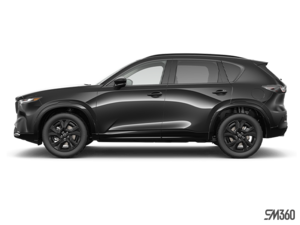
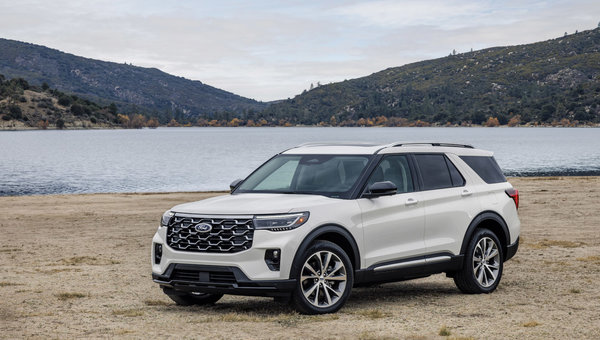
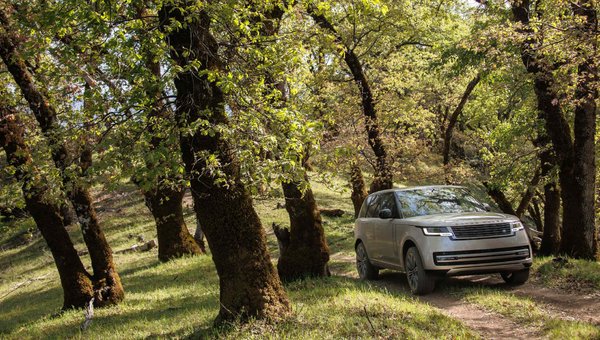
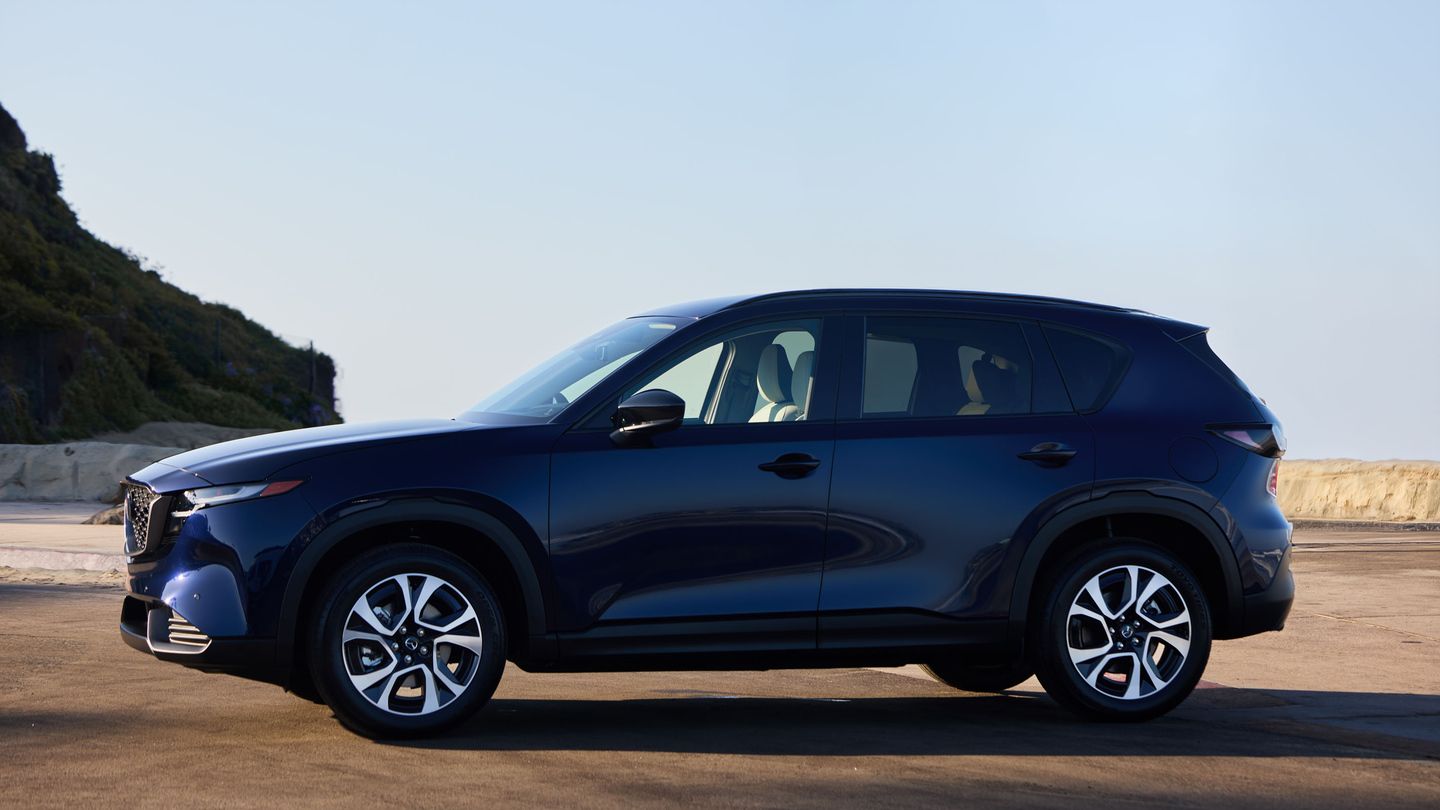
Ford’s Driver Alert System is the pattern-based type, tracking lane position through the windshield camera and escalating from a coffee-cup icon to a second chime if the drifting continues; on vehicles equipped with BlueCruise, a driver-facing camera adds the second layer, confirming attention before the system allows hands-free driving. Mazda runs both types side by side. Its Driver Attention Alert learns a driver’s behaviour over roughly the first hour and watches for fatigue at highway speeds between about 65 and 140 km/h, while a separate Driver Monitoring camera checks for drowsiness and inattention from about 30 km/h upward, flagging the difference between a tired driver and a distracted one. Land Rover’s Driver Condition Monitor evaluates driving technique for signs of fatigue and puts a plain “Take a break” message in the cluster with a chime, repeating it if the drive continues too long without a stop.
|
Brand |
System |
How It Watches |
|
Ford |
Driver Alert System, plus BlueCruise driver camera |
Lane-position pattern; driver-facing camera on hands-free models |
|
Mazda |
Driver Attention Alert and Driver Monitoring |
Learned driving pattern at highway speed; camera-based from about 30 km/h |
|
Land Rover |
Driver Condition Monitor |
Driving technique analysis with “Take a break” prompt |
The System That Only Ever Asks
None of these features will get a driver to school more awake than they left the house. What they do is narrow the gap between the moment attention slips and the moment someone notices, and in September that gap is measured in the length of a school zone. The coffee-cup icon is a small thing. So is the half-second it buys back.