What Counts Toward Payload, and How to Find Your Truck’s Rating
November 11 2026,
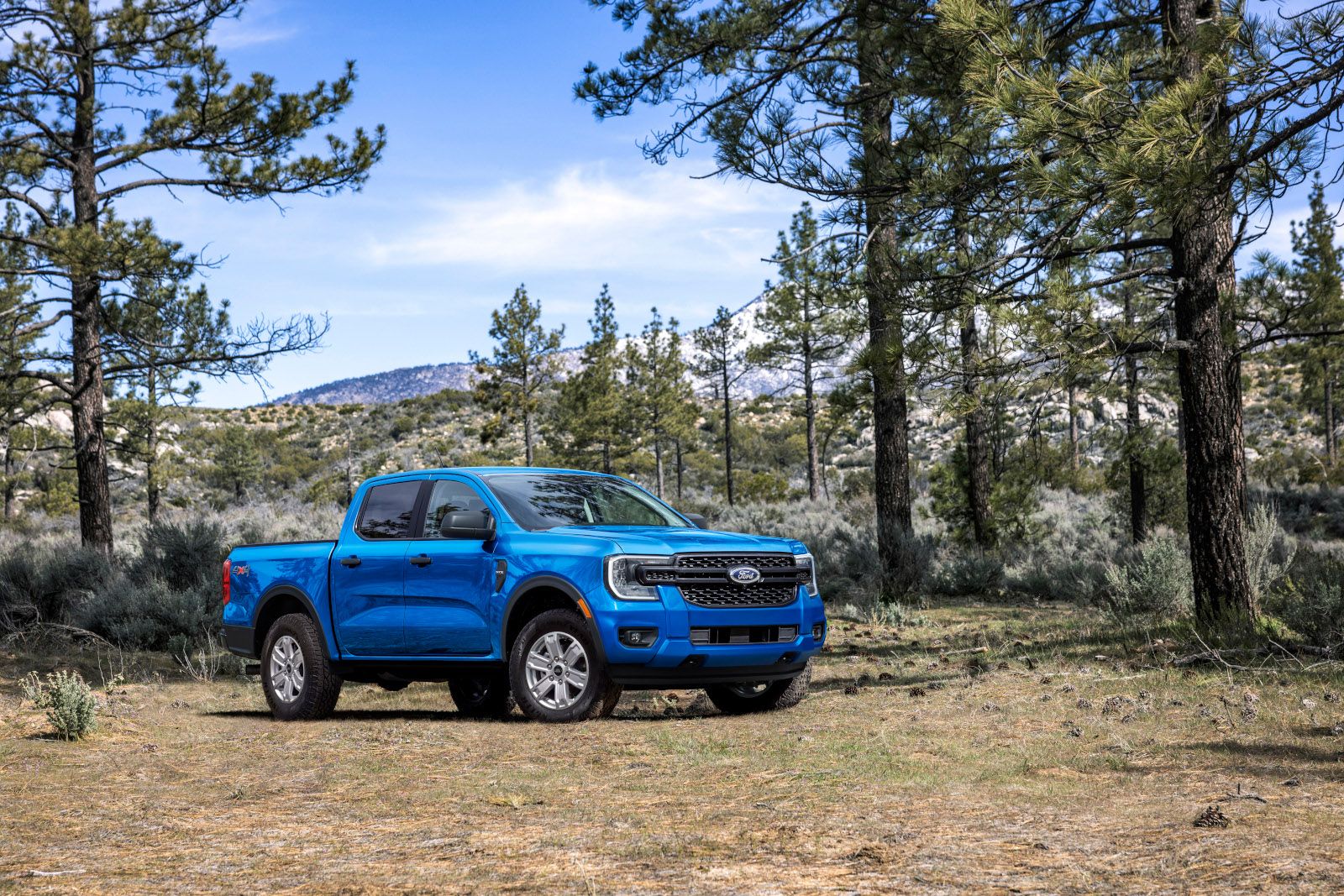
A pickup loaded for a weekend doesn’t look heavy. There are four people in the cab, a cooler and some camping gear in the bed, a tonneau cover over the top, and a small trailer on the hitch. Every item seems light on its own. Added together, though, they can use up most of what the truck is rated to carry, and none of it shows up as a warning light.
That rating is payload, and it’s one of the most misunderstood numbers on a truck. Brochures quote a maximum for the best-equipped configuration, but the figure that matters is the one for the specific truck in the driveway, and it’s printed right on the truck itself. Across the Ford pickups sold through Carson Automotive Group’s dealerships, from Maverick and Ranger to the F-150 and Super Duty, the principle is the same, and learning to read them turns payload from a brochure number into a practical loading budget.
What Payload Actually Means
Payload is the combined weight of everything the truck carries: passengers and cargo together. Payload capacity is the maximum that combined weight is allowed to reach. It isn’t the same as the bed’s capacity, since everything inside the cab counts just as much as what sits in the box.
The number comes from two others. The gross vehicle weight rating, or GVWR, is the most the fully loaded truck is allowed to weigh, including the truck itself, its equipment, the people and the cargo. Curb weight is what the truck weighs empty, with a full tank of fuel and its equipment. Payload capacity is the difference between the two: GVWR minus curb weight. The full tank is already part of curb weight, so the fuel in the truck doesn’t come out of payload a second time.
Everything That Counts Toward It

The list of things that use up payload is longer than most owners expect. It includes:
- The driver and every passenger, plus pets, child seats and anything carried in the cab
- Cargo in the bed, including tools, luggage, firewood and emergency gear
- Aftermarket accessories added after the truck left the factory, such as toolboxes, tonneau covers, brush guards and ball mounts
- The portion of a trailer’s weight that presses down on the hitch, called tongue weight, or the king pin weight of a fifth-wheel or gooseneck trailer
Accessories are the quiet payload thief. A truck’s label reflects how it was built at the factory, so anything bolted on afterward, from a heavy-duty toolbox to the weight-distribution hardware for a trailer, has to be subtracted from that figure before cargo gets counted. Trailer tongue weight is the other one owners often miss: hitching up a trailer moves part of its weight directly onto the truck, and that weight comes out of payload just like a passenger would.
Where to Find Your Truck’s Rating
Two labels on the driver’s side of the truck carry the numbers that matter. The Tire and Loading Information placard, usually on the driver-side door pillar or the edge of the driver’s door, states the combined weight of occupants and cargo the truck should never exceed. It also lists seating capacity, tire sizes and the recommended cold tire pressures. For everyday loading, this placard is the figure to work from, because it reflects that specific truck as it was built.
The Safety Compliance Certification label, typically on the door lock facing or the latch pillar, lists the GVWR and the gross axle weight ratings, or GAWR, for the front and rear axles. These are the limits for the whole truck and for each axle, which matter as much as the total.
One rating is best looked up separately. The gross combined weight rating, or GCWR, sets the maximum for the loaded truck and loaded trailer together. It depends on the specific configuration, so the right sources are the towing guide for the truck’s model year, the owner’s manual, or Ford’s online towing calculator using the truck’s VIN.
|
Label |
Where It Is |
What It Tells You |
|
Tire and Loading Information placard |
Driver-side door pillar or door edge |
Maximum combined weight of occupants and cargo |
|
Safety Compliance Certification label |
Door lock facing or latch pillar |
GVWR and front and rear axle ratings |
|
Towing guide or VIN calculator |
Owner resources |
GCWR and trailer limits for the exact configuration |
Working Out a Load, Step by Step

Turning the placard figure into a real loading budget follows a simple sequence. Start with the combined occupant-and-cargo limit on the placard. Subtract the actual weight of the driver and every passenger. Subtract any accessories added after the truck was built. What’s left is the room available for cargo. Weigh or estimate the cargo and make sure it fits within that remainder. If a trailer is going on the hitch, subtract its tongue or king pin weight as well, since that load sits on the truck.
Placement matters too. Ford’s guidance calls for loading the truck so that neither axle is overloaded, because a truck can stay under its total GVWR while one axle carries more than its own rating, typically the rear axle when a heavy load sits behind the cab. The most reliable check is the simplest: take the fully loaded truck, and trailer if one is attached, to a public scale with everyone aboard, and compare the readings against the GVWR, the axle ratings and the GCWR. If any limit is exceeded, remove cargo until all of them are met.
Why the Limits Matter
Exceeding payload affects far more than the suspension. An overloaded truck handles and brakes differently, and Ford notes that overloading can damage the vehicle and lead to a loss of control. Too much weight on the hitch can lift the front of the truck enough to reduce traction, steering response and braking. The truck’s brakes are rated for its GVWR, which is why a trailer calls for considerably more stopping distance. Tires carry real risk too: Transport Canada warns that overloaded or underinflated tires can fail, especially at highway speeds in warm weather.
Warranty coverage is part of the picture. Ford’s warranty lists overloading as misuse, and damage caused by it falls outside coverage for the affected parts. That’s one more reason to work from the label rather than a guess.
Payload Is a Budget
The simplest way to think about payload is as a budget the truck starts with every trip. People, accessories, cargo and trailer tongue weight all draw from it, and the placard on the door pillar shows exactly how much there is to spend. Reading it before loading up takes a minute and keeps the truck within the limits it was built for.
The sales and service teams at Carson Automotive Group’s Ford dealerships can help locate a truck’s ratings and match a configuration to a specific load or trailer, with every location listed on the group’s website.