Why Car Batteries Fail in the First Cold Weeks and the Warning Signs to Watch For
November 13 2026,

The engine turned over a little slower than usual on the first frosty morning, then caught, and the day carried on. A week later, on a colder morning, it clicks once and goes quiet. It’s one of the most common breakdown stories of the season, and it feels sudden. In most cases it isn’t. The cold didn’t break the battery overnight. It exposed a weakness that had been building for months.
Understanding why that happens makes the warning signs easier to read and the fix easier to plan. It also matters more than it used to, because the 12-volt battery in a modern vehicle does far more than turn the starter. Across the brands sold at Carson Automotive Group’s dealerships, gas, hybrid, plug-in hybrid and fully electric vehicles all depend on one, and each asks for slightly different care.
Why Cold Mornings Are So Hard on a Battery
A conventional car battery stores energy chemically and releases it through a reaction inside the case. Cold slows that reaction down, so a battery that delivers plenty of power on a mild afternoon has noticeably less to give on a freezing morning. At the same moment, the engine is harder to turn: cold oil is thicker and flows less freely, so the starter has to work harder to get the engine spinning. Less power available, more power needed. That combination is the double burden of a cold start.
Summer plays its part too. Heat speeds up the chemical wear inside a battery, so a hot stretch of the year can quietly use up a good portion of its remaining life without any symptoms at all. Through a warm fall, a weakened battery still has enough in reserve to start the engine. The first truly cold mornings remove that reserve, and the problem that started months earlier finally shows itself.
The Warning Signs Worth Taking Seriously

A battery rarely fails without some kind of hint first. The most common signs include:
- A slow, laboured crank, especially on cold mornings
- Headlights or interior lights that look dimmer than usual, particularly at start-up
- A battery or charging warning light on the dashboard
- Corrosion on the terminals, or a battery case that looks swollen, cracked or wet
Modern vehicles can add less obvious symptoms. A depleted battery can leave a vehicle unable to shift out of Park, make the horn sound weak or not work at all, and leave lights extremely dim. A swollen, cracked, leaking or unusually smelly battery needs professional attention right away rather than another attempt to start it.
The warning light deserves its own caution. It can point to a charging problem, such as a fault with the alternator or its drive belt, rather than an old battery. Replacing a healthy battery won’t fix a charging fault, and the new battery will soon go flat too. If that light comes on while driving, the safer course is to reduce electrical load, stop when it’s safe, and arrange to have the vehicle checked.
Test Before You Replace
Battery life varies widely with climate, driving habits and the vehicle itself, so the calendar alone is a poor guide. Testing is the better one, and it becomes especially useful as a battery ages. A proper check looks at the battery, the starter, the alternator and the charging system together, which is the only way to tell a tired battery from a charging problem or a vehicle that’s draining power while parked.
The best time for that test is before the cold settles in. A battery that’s already weak in the fall will only get weaker as temperatures drop, and replacing it on a schedule is far easier than replacing it in a parking lot. Transport Canada’s winter preparation advice reflects this: start the season with a fully charged battery, clean terminals and a checked charging system and belt.
Hybrids and Electric Vehicles Still Have a 12-Volt Battery
It surprises many owners that a vehicle with a large high-voltage battery also relies on a small conventional one. The 12-volt battery powers the computers, locks, lights and controls that wake the vehicle up, so when it’s depleted, the vehicle may not respond at all, no matter how much charge sits in the main battery.
The examples across the group’s lineup make the point clearly. A Ford Mustang Mach-E can become unresponsive, and even fail to unlock, when its 12-volt battery is drained, and Ford provides a specific procedure for gaining access and boosting it. The Mitsubishi Outlander PHEV carries a separate auxiliary battery for lights, wipers and other equipment, distinct from the high-voltage battery that drives the wheels. Mazda’s stop-start system, called i-stop, also depends on battery condition: a low battery or very cold temperatures can prevent it from operating, and after a battery replacement, Mazda calls for an authorized dealer to check that i-stop is working correctly.
Replacement is not one-size-fits-all on these vehicles. Many stop-start models use an AGM or EFB battery designed for frequent restarts, and swapping in a conventional battery can shorten its life and affect how the system works. The right choice is the battery the owner’s manual specifies.
Small Habits That Help Through the Cold Months

A handful of habits go a long way toward avoiding a no-start morning:
- Drive regularly, and avoid relying on very short trips that never let the battery recharge
- Avoid running accessories with the engine off
- Use a suitable battery maintainer for a vehicle that sits for long periods
- Check the owner’s manual before disconnecting a battery, since some settings can reset
A block heater helps as well, though it works on the engine rather than the battery. By warming the coolant, engine block and oil, it makes the engine easier to turn over, which reduces the load on the battery at start-up. Natural Resources Canada recommends putting it on a timer that switches on no more than about two hours before departure, which is enough to do the job without wasting electricity.
Jump-Starting Safely
A boost can get a vehicle going, but it carries real risks if done carelessly. Wear eye protection and gloves, keep sparks and flames away from the battery, and only use a 12-volt source. Never try to boost a battery that is frozen or low on fluid. Connection points and order matter, and many modern vehicles specify a particular ground point away from the battery itself.
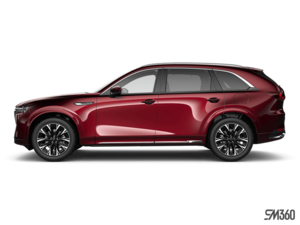
Some vehicles have specific rules of their own. The Mazda CX-90, for example, lays out an exact connection sequence and states that it must not be used to boost another vehicle. Electric vehicles use designated jump points that can differ from what an owner expects. The owner’s manual for the specific vehicle is the reference that counts, and after any jump-start, having the battery and charging system inspected is the sensible next step, since a battery that needed a boost once will likely need one again.
Catching It Before the Cold Does
The first cold weeks don’t create a bad battery. They reveal one. A slow crank, dimming lights or a warning lamp are the vehicle’s way of saying the reserve is running low, and a quick test turns that warning into a plan rather than a breakdown.
For a battery and charging-system test before the coldest weather arrives, the service departments at Carson Automotive Group’s dealerships are listed on the group’s website.