Breaking the Winter EV Myth: How Battery Thermal Management Works in 2026
February 06 2026,
Electric and plug-in hybrid vehicles have transformed the Canadian automotive landscape, but one persistent concern lingers in the minds of British Columbia drivers: what happens to battery performance when February temperatures drop? The fear is understandable. Lithium-ion chemistry responds to cold, and early-generation electric vehicles sometimes struggled to maintain range during commutes. However, the thermal management systems in 2026 models mark a fundamental shift in how batteries handle Canadian winters.
Modern electric and plug-in hybrid vehicles don't simply endure cold weather - they actively manage it. Through liquid cooling loops, heat pump technology, and intelligent preconditioning systems, today's battery packs maintain optimal operating temperatures regardless of ambient conditions. Understanding how these systems work transforms winter range anxiety into informed confidence, particularly for drivers navigating British Columbia's diverse climate zones.
The Chemistry Challenge: Why Temperature Matters
Lithium-ion batteries function through the movement of lithium ions between electrodes through an electrolyte solution. When temperatures drop, this electrolyte becomes more viscous, slowing ion movement and reducing the battery's ability to accept or deliver charge efficiently. This creates two measurable effects: reduced available range and slower charging speeds. The battery management system responds by throttling both discharge and charge rates to protect the cells from damage.
This isn't a design flaw - it's fundamental chemistry. The critical difference between early electric vehicles and 2026 models lies not in eliminating this effect but in how effectively the vehicle compensates for it. Where first-generation systems relied on passive thermal management, current technology actively heats and cools battery packs to maintain ideal operating conditions.
Liquid Thermal Management: The Foundation
Every electric and plug-in hybrid vehicle available through Carson Automotive Group uses a closed-loop liquid thermal management system. Coolant circulates through channels embedded in or around the battery modules, carrying heat away during summer operation or delivering warmth during winter cold snaps. This approach differs fundamentally from passive air cooling, which cannot respond quickly enough to temperature extremes or rapid charging heat.
The Ford Mustang Mach-E employs a liquid-cooled 91 kWh battery pack with active thermal regulation. During cold weather operation, the system can warm the battery from ambient temperature to its optimal 20-30°C operating range before you begin driving. The Ford F-150 Lightning uses a similar approach with its 131 kWh extended-range pack, maintaining 90% efficiency even at -18°C through active thermal pump operation.
Liquid systems deliver superior temperature control compared to air-based approaches. The Jaguar I-PACE's 90 kWh battery pack retains 85% of its rated range at -7°C when properly preconditioned, while the Land Rover Range Rover EV maintains 90% efficiency at -15°C through its active heat pump integration.
Heat Pump Technology: Efficiency Through Physics
Many 2026 electric vehicles integrate heat pump systems rather than relying solely on resistive heating. Heat pumps move thermal energy rather than generating it, delivering roughly 2-3 times the efficiency of resistive heaters in temperatures above -10°C. This efficiency advantage directly translates to preserved driving range.
The Jaguar I-PACE now includes a heat pump as standard equipment for 2026, a notable upgrade that improves cold-weather performance. Some systems capture waste heat from power electronics and motors, recovering energy that would otherwise dissipate. This recovered heat warms both the battery pack and cabin without drawing additional power from the battery itself.
The efficiency difference matters enormously for real-world range. A resistive heating system might consume 3-5 kW of power to warm the cabin and battery during a cold morning commute. A heat pump accomplishes the same task using 1-2 kW, leaving more energy available for driving.
Preconditioning: The Most Underutilized Feature
Battery preconditioning offers one of the most practical cold-weather tools available to electric vehicle owners, yet it remains underexplained and underused. When the vehicle remains plugged in, it can pre-warm the battery to ideal operating temperature using grid power rather than depleting the battery pack itself.
A British Columbia driver who plugs in overnight and schedules a 7:00 AM departure arrives at their vehicle with a fully warmed battery - full range available, fast charging ready, cabin already comfortable - without spending a single kilometre of rated range. The Ford Mustang Mach-E allows up to 30 minutes of remote preconditioning through the FordPass app, even at temperatures as low as -20°C. The Lincoln Aviator Grand Touring integrates preconditioning through the Lincoln Way app, maintaining its 35 km electric range even at -10°C when properly prepared.
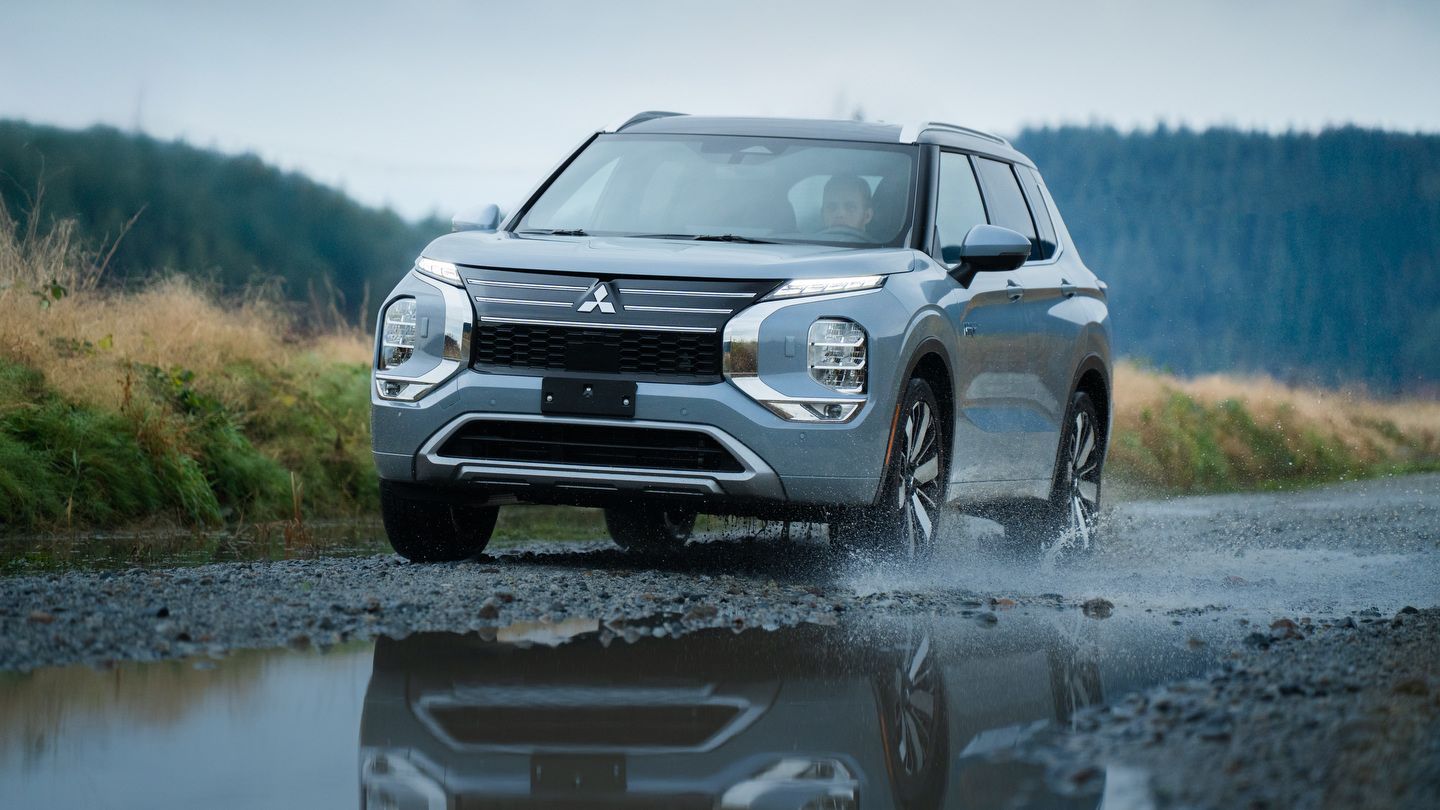
The Mitsubishi Outlander PHEV coordinates battery preconditioning through its MI-Pilot Assist system, ensuring both thermal readiness and traction management work together. The Mazda MX-30 R-EV maintains 85 km of electric range at -10°C when preconditioning is utilized, demonstrating how effective this technology has become.
Plug-In Hybrids: The Thermal Advantage
Plug-in hybrid vehicles offer a unique cold-weather advantage through their combustion engines. These engines generate waste heat during operation, which can be redirected to warm both the battery pack and cabin in extreme cold. This gives plug-in hybrids additional thermal resilience compared to battery-electric vehicles in severely low temperatures.
The Lincoln Aviator Grand Touring delivers 570 hp of combined power while maintaining its 35 km electric range in cold conditions. When temperatures drop below -20°C, the system automatically switches from pure electric mode to hybrid operation, using engine heat to maintain battery temperature and cabin comfort. The Mitsubishi Outlander PHEV achieves 3.6 L/100 km fuel consumption while offering 84 km of electric range at normal temperatures, dropping to approximately 60 km at 0°C - still highly efficient for daily commuting. Pricing shown reflects the price at the time of writing. Final pricing may vary.
This thermal flexibility makes plug-in hybrids particularly well-suited for British Columbia's interior regions, where winter mornings in Kelowna or Kamloops can reach -15 to -20°C. The ability to draw on engine heat when needed provides confidence for drivers transitioning from conventional vehicles to electrified powertrains.
Real British Columbia Scenarios
Metro Vancouver: Mild Winters, Maximum Efficiency
Vancouver's typical February temperatures range from 2-5°C, requiring minimal thermal management intervention. At these temperatures, battery chemistry remains near optimal, and heat pump systems operate at peak efficiency. Drivers can expect minimal range reduction compared to summer operation, particularly when using preconditioning for morning departures.
Interior Regions: Where Thermal Management Proves Itself
Kelowna and Kamloops experience genuine winter conditions, with morning temperatures regularly reaching -15 to -20°C. This is where battery preconditioning and heat pump technology deliver measurable benefits. A Ford F-150 Lightning preconditioned overnight maintains 370 km of range at -7°C compared to its 515 km summer rating - a reduction, but far better than the 40-50% loss seen in early electric vehicles without active thermal management.
Highway Driving: Sustained High-Speed Challenge
Sustained high-speed driving on routes like the Coquihalla Highway challenges both range and thermal regulation simultaneously. Cold ambient air at highway speeds requires continuous battery heating while power demand remains high. Modern thermal management systems monitor pack temperature continuously, adjusting output to maintain optimal cell temperature while delivering consistent performance.
The 2026 Difference
Transport Canada's CSA C22.2 No. 280 cold-weather testing standards now provide consistent, verifiable data for comparing cold-weather performance across models. These standards ensure that manufacturer range claims reflect realistic Canadian winter conditions rather than idealized laboratory testing.
The Ford Mustang Mach-E demonstrates 20-30% range loss at -7°C according to EPA estimates and Natural Resources Canada testing - 480 km at 23°C drops to approximately 350 km in cold conditions (showing 73% retention). The Jaguar I-PACE maintains 360 km of its 425 km rated range at -7°C when properly preconditioned. These figures show honest, tested performance rather than optimistic projections.
British Columbia drivers benefit from additional provincial support through the CleanBC Go Electric rebate program, which provides up to $4,000 for eligible battery-electric vehicles and $2,500-$3,500 for plug-in hybrids.
Key Takeaways
|
Thermal Management Feature |
How It Preserves Range |
|
Liquid Cooling/Heating Loops |
Maintains optimal 20-30°C battery temperature regardless of ambient conditions |
|
Heat Pump Systems |
Delivers 2-3x efficiency of resistive heating, preserving 1-3 kW for driving range |
|
Battery Preconditioning |
Warms battery using grid power while plugged in, preserving 100% of battery capacity for driving |
Understanding the Real-World Impact
Cold weather affects electric vehicle range - this remains true in 2026. However, the question isn't whether temperature impacts battery chemistry, but how effectively the vehicle manages that impact. Modern thermal management systems minimize range reduction dramatically compared to vehicles from just five years ago.
The most critical factor in cold-weather electric vehicle performance isn't the technology itself but how drivers use it. Preconditioning while plugged in, understanding when to use eco modes, and planning charging stops around thermal management needs transforms winter driving from a source of anxiety into routine operation.
Experience Advanced Thermal Management at Carson Automotive Group
The science behind battery thermal management continues to evolve, but the practical benefits are available today. If you're considering the Ford Mustang Mach-E's liquid-cooled battery pack, the Lincoln Aviator Grand Touring's plug-in hybrid flexibility, or the Jaguar I-PACE's heat pump efficiency, modern electric and plug-in hybrid vehicles are engineered for Canadian winters.
Our team at Carson Automotive Group can demonstrate cold-weather preconditioning during your test drive and provide specific range data for British Columbia's diverse climate conditions. Book your test drive today at Carson Automotive Group.