Factory Order or Off the Lot: What Each Means for Timing, Price and Options
November 03 2026,
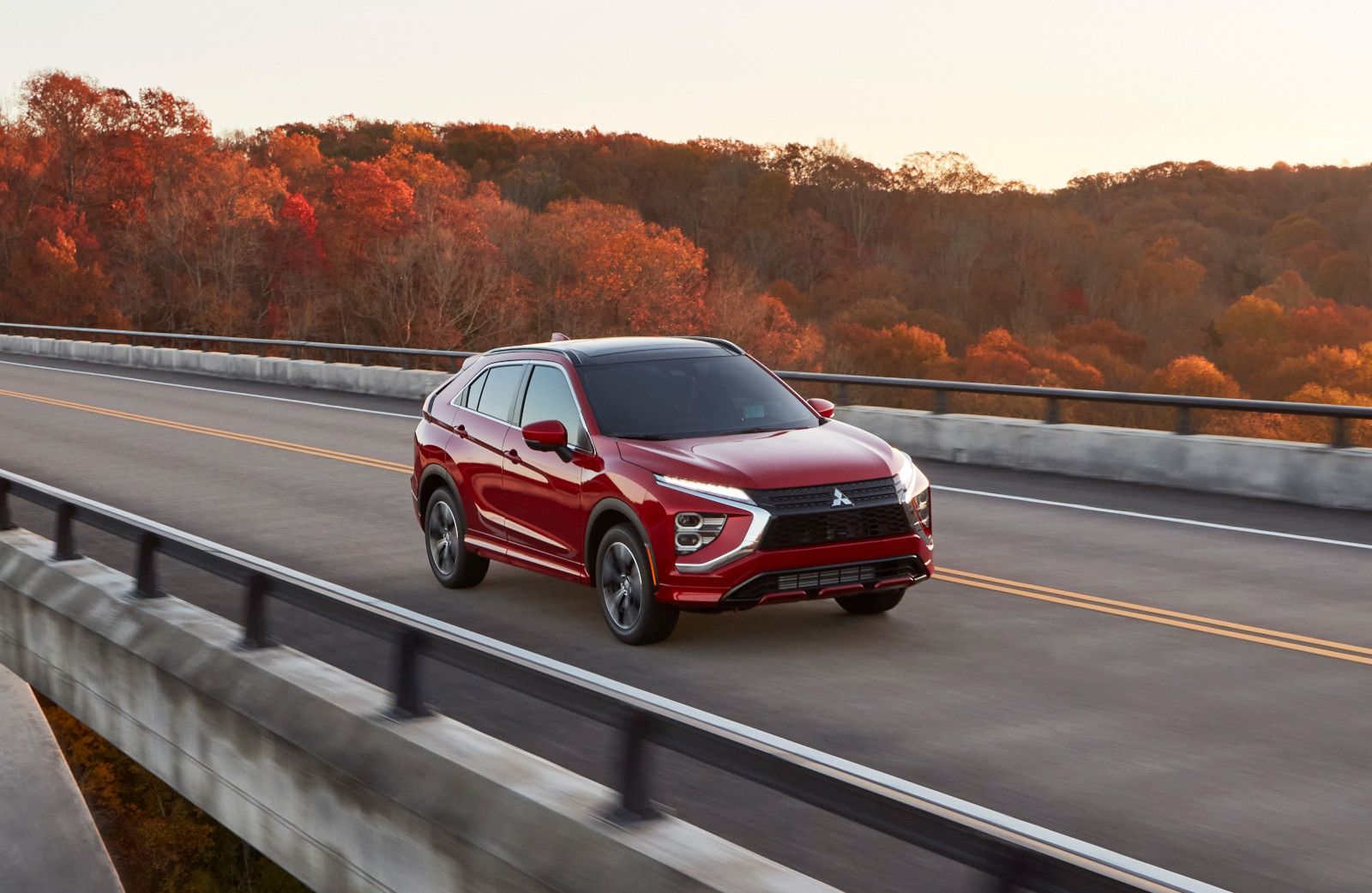
Some buyers walk onto a lot, find a vehicle in the right colour with the right equipment, and drive it home the same week. Others know exactly what they want, down to the wheels and the interior trim, and can’t find it anywhere. For the second group, ordering a vehicle from the factory sounds like the obvious answer, and sometimes it is. It also changes the timeline, the paperwork and the questions worth asking along the way.
Neither path is better in general. Buying from inventory trades some choice for speed and certainty. Ordering trades speed for a closer match to what the buyer actually wants. Across the brands sold at Carson Automotive Group’s dealerships, the ordering process works a little differently from one manufacturer to the next, but the same three considerations decide the choice every time: timing, price and options.
How Each Path Works
Buying off the lot means choosing a vehicle that already exists, either sitting in the dealer’s inventory or arriving soon. The buyer can see it, drive it, confirm its exact equipment and take delivery quickly once the paperwork is done.
A factory order starts with a build. The buyer chooses the model, trim, colours and options, often by starting with the manufacturer’s online configurator, then takes that build to a dealer. The dealer is the one who actually places the order, confirms what can be built, and sets out the terms. A saved configuration on a website is a useful starting point, but it isn’t an accepted order until the dealer has submitted it and confirmed the details.
Timing: Waiting Versus Driving Away

Timing is the clearest difference. A vehicle from inventory can usually be delivered within days. An ordered vehicle has to be scheduled for production, built and shipped, and the wait varies by model, configuration and the volume of orders ahead of it. Dealers can give a rough timeframe based on what they’re seeing, but no manufacturer guarantees a delivery date in advance.
Ford offers a useful tool here: once an order is placed, the buyer can track it using the dealer’s order number and the vehicle identification number, with updates on order status and delivery details. Other brands rely more on updates from the dealer. Either way, a buyer who needs a vehicle by a specific date, for a new job, a growing family or a lease that’s ending, should weigh that deadline carefully before choosing to order.
Price: Incentives Are Not the Same as Price Protection
This is the part of ordering that causes the most confusion. Manufacturer incentives change from month to month, and an ordered vehicle may be delivered weeks or months after it was ordered. Ford addresses this directly: for eligible programs, a buyer can choose the incentive in effect when the order was placed or the one in effect at delivery, whichever they prefer, though not both. That’s a valuable feature, but it protects the incentive, not the vehicle’s price. Transaction prices are set by individual dealers, and protection against a price change between order and delivery isn’t automatic.
Other brands handle this differently, and some programs only apply to vehicles purchased and delivered within a set window, which an ordered vehicle may not meet. The safest approach is to ask exactly which incentives and pricing terms apply, and to have those terms written into the order.
Deposits deserve the same attention. Many orders require one, and the terms for getting it back if the buyer changes their mind vary. Canada’s Financial Consumer Agency cautions that a deposit may be partly or wholly kept if a buyer withdraws, so the refund conditions belong in writing before any money changes hands.
Options: Getting Exactly What You Want
Options are where ordering earns its place. A factory order lets a buyer request a specific combination of trim, colour, package and features that may not exist in any dealer’s inventory. Configurators show what can be selected, though not every combination on the screen is guaranteed to be buildable, and some features or options can be unavailable or delayed. The dealer’s confirmation of the final build is what counts.
Some equipment can only come from the factory. Ford notes that factory-installed navigation can’t be added later to a vehicle that wasn’t built with it, which is a good reason to check a stock vehicle’s exact equipment rather than assume a feature can be added afterward. That doesn’t mean factory features are unavailable on the lot. Plenty of inventory vehicles carry them. It means the equipment on a specific vehicle is fixed when it’s built.
Accessories are a different story. Many brands offer accessory packages that the retailer fits after the vehicle arrives, so an inventory vehicle can often be personalized with roof racks, protection packages and similar add-ons without a factory order at all.
How This Shows Up Across the Group’s Brands
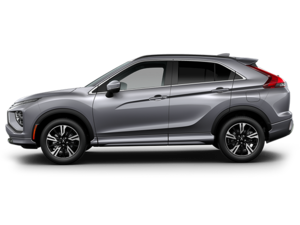
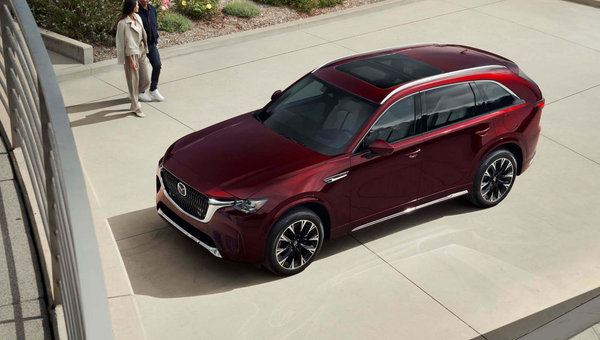
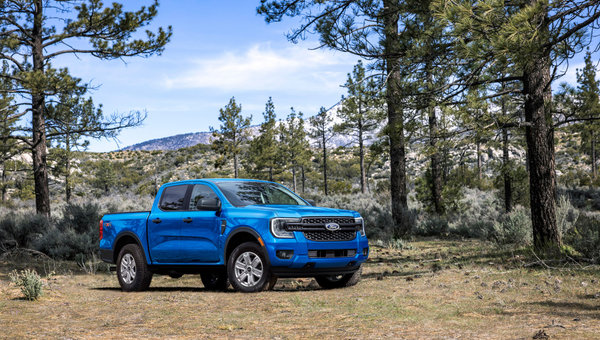
Ford’s process is the most clearly laid out: research a model and its options, review the build with a dealer who starts the order and confirms the terms, then track progress with the order number and VIN, with the option of order-time or delivery-time incentives on eligible programs. Land Rover offers Build and Order, letting buyers configure the model, colours, interior and technology, then save and share the build with a retailer, who confirms acceptance and production. Land Rover also notes that some selected features may be unavailable or delayed, and that its accessory packs are fitted by the retailer. Mazda and Mitsubishi both let shoppers configure trims and colours online, and both note that a retailer order may be needed when a particular combination isn’t readily available.
|
Factor |
Off the Lot |
Factory Order |
|
Timing |
Delivery within days |
Weeks or months, depending on production |
|
Price |
Terms set at the time of sale |
Confirm incentive and price terms in writing |
|
Options |
Limited to what’s built |
Choose the exact configuration the factory can build |
When an Order Crosses Model Years

One more scenario is worth planning for. An order placed late in a model year can end up being built as the next model year, with changes to equipment, pricing or available incentives. There’s no universal rule for how manufacturers handle this, so it’s worth asking up front what happens if the order rolls over, and getting the answer in writing.
Choosing the Path That Fits
A few questions usually settle it:
- Is there a firm date the vehicle is needed by?
- Does a vehicle in inventory already come close enough to what’s wanted?
- Which incentives and price terms apply to an order, and are they written into the agreement?
- What are the deposit refund conditions, and what happens if the order crosses model years?
Buyers with a deadline, or who find a close match in inventory, will usually be happiest driving away. Buyers with a specific configuration in mind and some flexibility on timing will often find the wait worthwhile.
The sales teams at Carson Automotive Group’s dealerships can check what’s in inventory and walk through an order for any brand the group sells, with every location listed on the group’s website.