First-Time EV Buyer's Guide: How to Choose Between All-Electric, PHEV, and Hybrid
October 28 2025,
If you live in Victoria or anywhere across British Columbia and you've been hearing more about electric vehicles, plug-in hybrids, and hybrids, you're not alone. More drivers are exploring these options, but the alphabet soup of BEV, PHEV, and HEV can feel confusing. This guide breaks down what each technology actually means, how they work in real life, and which type might suit your daily routine in BC.
Understanding the Three Types of Electrified Vehicles
All three categories share a common goal: reducing fuel consumption and emissions compared to traditional gasoline-only vehicles. The difference lies in how they achieve that goal.
All-Electric Vehicles (BEVs) run entirely on battery power. They plug into the electrical grid or charging stations to recharge. There's no gasoline engine at all, which means zero tailpipe emissions and no trips to the gas station.
Plug-In Hybrid Electric Vehicles (PHEVs) combine a rechargeable battery with a gasoline engine. They can drive on electricity alone for a limited range, typically between 40 and 70 km, then switch to hybrid mode using gasoline for longer trips. You need to plug them in to take advantage of the electric-only driving.
Hybrid Electric Vehicles (HEVs) also feature both an electric motor and a gasoline engine, but the battery charges itself through regenerative braking and the engine. You never plug them in. The electric motor assists the engine to improve fuel efficiency, especially in stop-and-go city traffic.
All-Electric Vehicles: Battery-Powered Driving
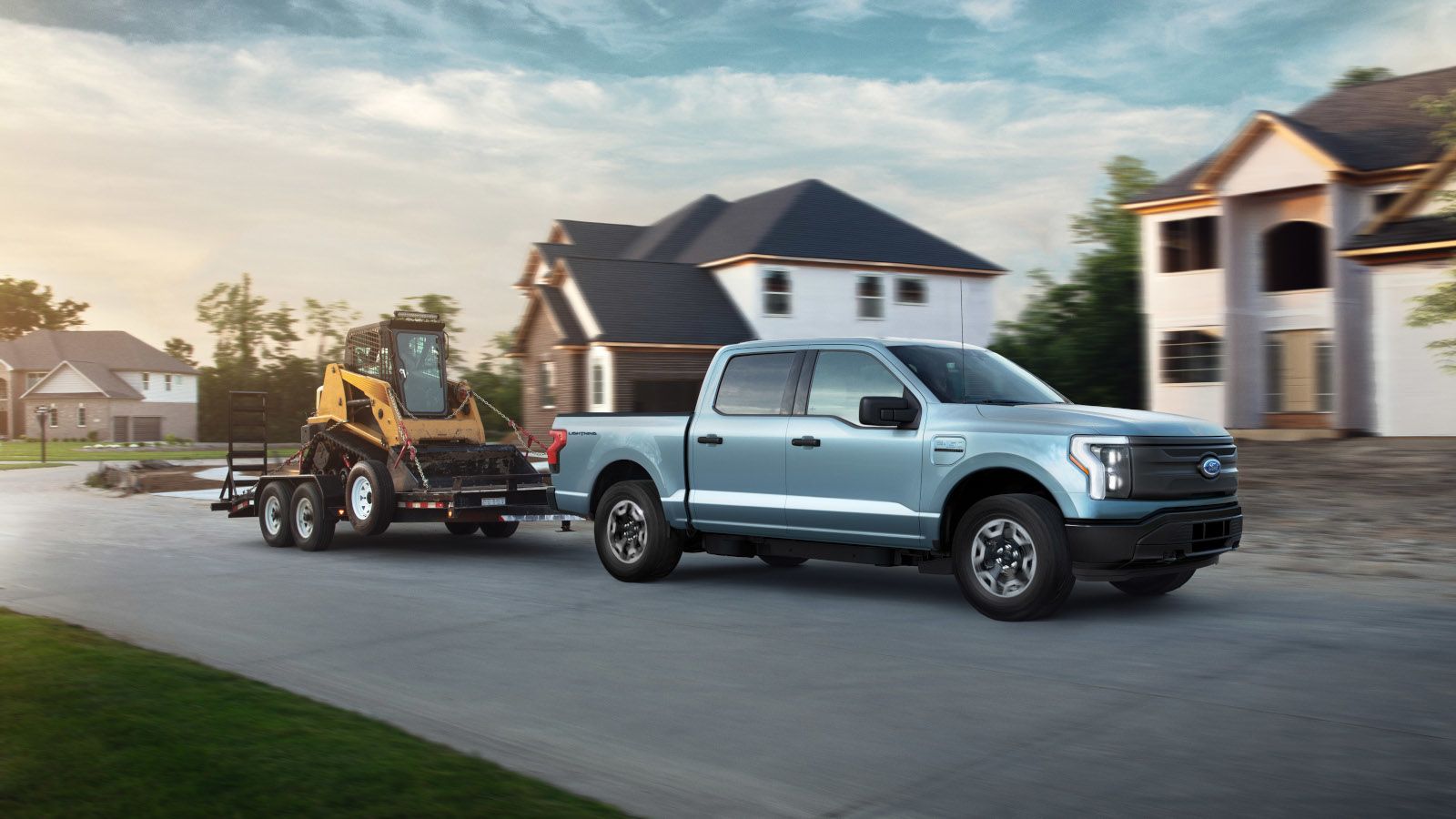
BEVs are the most straightforward form of electric transportation. The battery pack powers one or more electric motors, and you recharge the battery by plugging the vehicle into a charger. Modern BEVs available in British Columbia can travel over 400 km on a single charge, depending on the model and driving conditions.
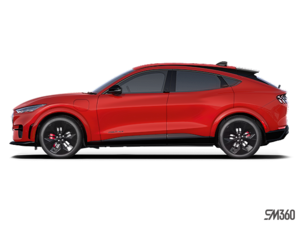
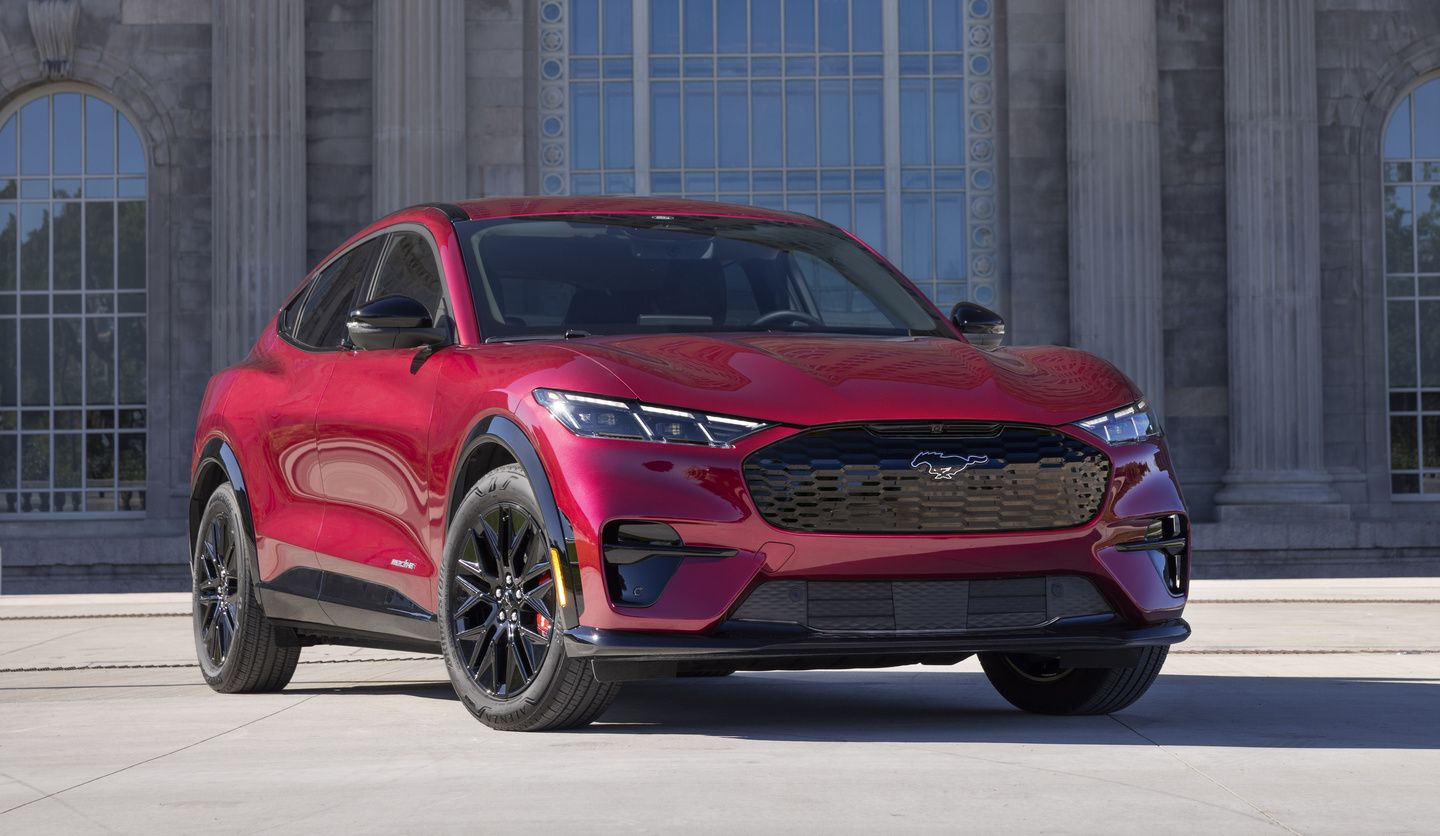
For example, the Ford Mustang Mach-E offers up to 488 km of range with its extended-range battery and rear-wheel drive configuration. The Ford F-150 Lightning, an all-electric pickup, provides up to 515 km with its extended-range battery. These ranges work well for daily commuting around Victoria and the surrounding areas, as well as longer weekend trips across the Island or to the mainland.
What BC Buyers Should Know About BEVs
- Charging at home is essential. Most BEV owners install a Level 2 charger at home, which uses a 240V outlet and can fully recharge the battery overnight. Public charging stations are also available throughout Victoria and BC, including DC fast chargers that can restore significant range in under an hour.
- Maintenance is simpler. BEVs have fewer moving parts than gasoline vehicles. There's no oil to change, no spark plugs to replace, and brake pads last longer due to regenerative braking.
- Cold weather affects range. Battery performance can drop in colder temperatures. Modern BEVs include thermal management systems to minimize this effect, but it's worth considering if you frequently drive in the BC Interior during winter.
- No tailpipe emissions. BEVs produce zero emissions while driving, which contributes to cleaner air in urban areas like Victoria.
Plug-In Hybrid Electric Vehicles: Dual Power Sources

PHEVs give you the option to drive on electricity for shorter trips and switch to gasoline for longer journeys. This flexibility appeals to drivers who want the benefits of electric driving but aren't ready to commit fully to a BEV.
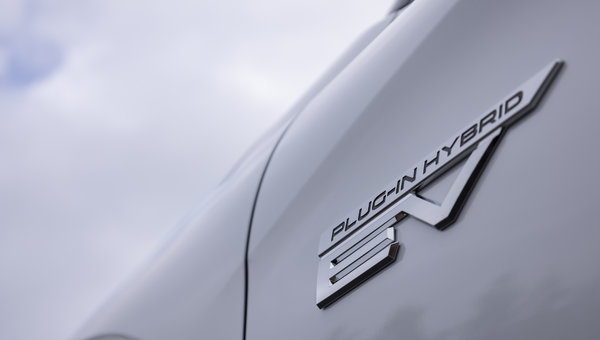
Some of the current PHEV models available in BC include the Ford Escape PHEV, Lincoln Corsair Grand Touring, Mazda CX-70 PHEV, Mazda CX-90 PHEV, and Mitsubishi Outlander PHEV. The Mitsubishi Outlander PHEV, for instance, offers 61 km of electric-only range, which covers many daily commutes in Victoria without using any gasoline. The Mazda CX-70 PHEV and CX-90 PHEV both provide 42 km of electric range and 323 hp of combined system output.
Land Rover and Range Rover also offer PHEV variants with impressive electric ranges. The Range Rover Sport PHEV can travel up to 85 km on electricity alone, while the Range Rover PHEV extends that to 100 km.
What BC Buyers Should Know About PHEVs
- Plug in regularly to maximize savings. If you charge every night and your daily commute is under 50 km, you might rarely need gasoline. If you forget to plug in, the vehicle operates as a regular hybrid.
- Home charging is convenient but not essential. PHEVs can be charged using a standard 120V outlet (Level 1), though it takes longer than a 240V setup. Many drivers find overnight Level 1 charging sufficient for their routine.
- Fuel economy varies based on usage. The Mitsubishi Outlander PHEV achieves 3.6 Le/100 km when charged regularly. The Ford Escape PHEV delivers 2.3 Le/100 km in combined driving. These numbers assume you're plugging in consistently.
- Maintenance includes both systems. PHEVs require regular engine maintenance like oil changes, plus occasional checks on the battery system.
Hybrid Electric Vehicles: No Plug Required

HEVs are the simplest entry point into electrified driving. The battery charges itself through regenerative braking and the gasoline engine, so there's no need to plug in. The electric motor assists the engine during acceleration and handles low-speed driving, which improves fuel economy.
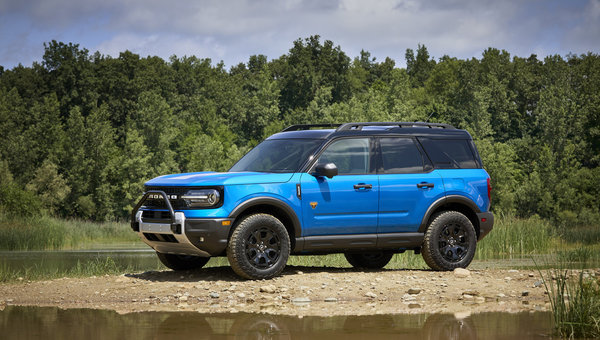
Models available in BC include the Ford Escape Hybrid, Ford Maverick Hybrid, Ford F-150 Hybrid, and Lincoln Nautilus Hybrid. The Ford Maverick Hybrid, a compact pickup, achieves 5.8 L/100 km in city driving and 6.9 L/100 km on the highway. The Ford F-150 Hybrid, with its PowerBoost system, delivers 430 hp and 570 lb-ft of torque while towing up to 5,080 kg.
What BC Buyers Should Know About HEVs
- No charging infrastructure needed. You drive and refuel exactly like a gasoline vehicle. The hybrid system works automatically in the background.
- Best fuel savings in city driving. Regenerative braking captures energy during stop-and-go traffic, which is why hybrids excel in urban environments like downtown Victoria.
- Lower upfront cost than PHEVs or BEVs. Hybrids typically cost less than plug-in hybrids or all-electric vehicles, making them an accessible option for budget-conscious buyers.
- Maintenance is similar to gasoline vehicles. You'll still need regular oil changes and engine service, plus periodic checks on the hybrid battery and electrical components.
Comparing the Three Technologies
|
Feature |
All-Electric (BEV) |
Plug-In Hybrid (PHEV) |
Hybrid (HEV) |
|---|---|---|---|
|
Plug-In Required |
Yes |
Yes |
No |
|
Electric-Only Range |
400–515+ km |
40–100 km |
None |
|
Fuel Required |
No |
Yes (for longer trips) |
Yes |
|
Charging Time |
4–10 hours (Level 2) |
2–6 hours (Level 2) |
N/A |
|
Maintenance |
Lower (fewer parts) |
Moderate (both systems) |
Moderate (engine focus) |
|
Best For |
Daily commuters, home charging |
Mixed driving, occasional long trips |
City driving, no charging setup |
What Victoria and BC Drivers Should Consider
Choosing the right electrified vehicle depends on your daily habits and circumstances. Here are a few practical questions to guide your decision.
How far do you drive each day? If your daily commute is under 50 km, a PHEV or BEV will handle it easily on electricity alone. If you frequently drive longer distances, a PHEV or HEV offers more flexibility.
Do you have access to home charging? BEVs require reliable overnight charging. PHEVs benefit from it but can operate as hybrids without it. HEVs don't need any charging setup.
What are your driving patterns? Urban drivers who spend time in stop-and-go traffic benefit most from hybrids and electric vehicles. Highway drivers may prefer the extended range of PHEVs or BEVs with larger batteries.
Are you prepared for BC winters? All modern electric and hybrid vehicles include systems to manage battery performance in cold weather. If you drive in colder regions of BC regularly, ask about specific cold-weather features when you visit the dealership.
Which models match your needs? If you need a pickup for work, the Ford F-150 Lightning or Ford F-150 Hybrid might suit you. If you're looking for a family SUV, consider the Mitsubishi Outlander PHEV or Mazda CX-90 PHEV. For a compact daily driver, the Ford Escape Hybrid or Ford Maverick Hybrid are solid choices.
Making the Transition
Switching to an electrified vehicle doesn't have to feel overwhelming. Start by identifying your daily driving needs and evaluating your home charging options. If you're still unsure which technology suits your lifestyle, visit us in Victoria to see the vehicles in person and ask specific questions to clarify the decision.
Carson Automotive Group offers a range of electrified vehicles from Ford, Lincoln, Mitsubishi, Mazda, and Land Rover. Schedule a test drive to experience how each technology performs on BC roads.