Gear That Goes With You: Organising Camping and Adventure Cargo for the Summer Season
June 22 2026,

A packed vehicle for a summer camping trip can go one of two ways. Either everything has a place and setting up camp takes ten calm minutes, or the trunk looks like a gear store exploded and finding the tent poles means unloading half the vehicle first. The difference almost always comes down to how the cargo was organized before you ever left the driveway.
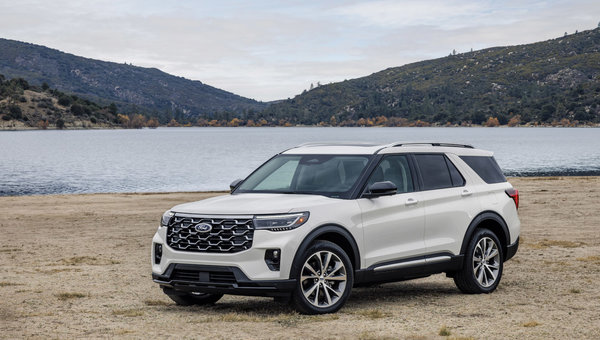
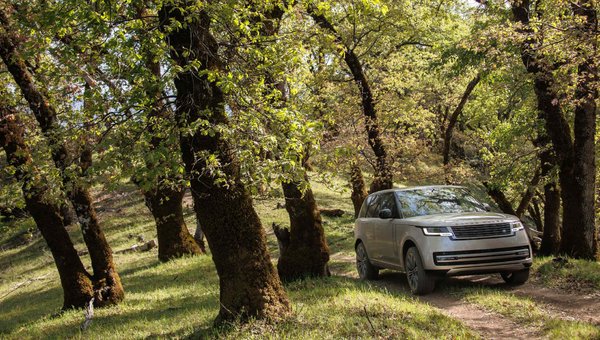
Carson Automotive Group carries Ford, Lincoln, Mazda, Mitsubishi, and Land Rover, and select SUVs, crossovers, and trucks across that lineup offer the kind of flexible cargo space that makes organized camping and adventure trips easier. Here’s how to turn any of them into a well-run basecamp on wheels.
Weight Distribution and Safety Basics
Before organizing gear into categories, it helps to get the physics right. Pack heavier items low in the cargo area and toward the front, closer to the back of the rear seats, with lighter and softer items stacked on top. This keeps the vehicle’s centre of gravity stable and reduces the risk of gear shifting under braking or on uneven terrain.
Two other basics matter here too. Keep rear-window visibility clear, since a cargo area piled to the roofline can block your view out the back. And if you’re using a roof box or roof rack, stay within the vehicle’s published roof load rating. Overloading a roof rack affects handling and fuel economy, and in some cases can compromise the mounting hardware itself.
Organizing by Zone
Rather than throwing everything into one pile, experienced campers organize gear into functional zones: sleeping gear, kitchen equipment, clothing, tools and repair items, and personal items. Assigning each zone its own bin or section of the cargo area means you’re never digging through a pile of cookware to find a sleeping bag.
Clear, labelled storage bins make a bigger difference than most people expect. Being able to see contents at a glance, or read a label in low light at a campsite, saves real time and frustration, especially if you’re setting up after a long drive.
- Sleeping gear together in one bin, kitchen gear in another
- Clear or labelled bins beat opaque ones for quick identification
- Tools and repair items kept accessible but separate from daily-use gear
Storage Systems Worth Considering
A vehicle’s built-in cargo flexibility, split-fold rear seats, adjustable load floors, tie-down points, and roof-rack compatibility, pairs well with a few categories of aftermarket storage that make camping trips noticeably easier to manage.
Roof boxes and rooftop carriers are a straightforward way to free up interior space for bulkier but lighter gear like sleeping bags, clothing, and camp chairs, while keeping the main cargo area open for heavier items. When comparing options, capacity, mounting system compatibility, and lock quality are the details worth paying attention to.
Cargo drawers and modular storage systems take things a step further, creating defined “levels” inside the cargo area so gear can be stacked safely and accessed without unpacking everything on top of it. These systems are popular for converting the rear of an SUV or truck into something closer to an organized kitchen or sleeping platform.
Interior organizers round things out. Seatback organizers, trunk dividers, and mesh pockets keep small, frequently used items like headlamps, maps, phone chargers, and snacks accessible without getting buried under bulkier gear.
Smart Access Planning

How you load the vehicle matters as much as what you load into it. A “last in, first out” approach means packing the items you’ll need first at camp, like your tent, shelter, and key cooking gear, near the rear hatch or in a clearly marked bin, so they’re the easiest things to reach when you arrive.
Items you’ll use less often, spare parts, backup clothing, extra water or fuel, can go deeper in the cargo area or up in a roof box, as long as they’re secure. Organizing gear into day-use and night-use groupings, camp chairs and a cooler in one zone, sleeping bags and lanterns in another, cuts down on rummaging and helps camp setup go smoothly even after a long day of driving.
Preparing for the Trip
A little preparation before you leave home makes the whole trip easier. Test new gear at home before you’re relying on it at a campsite, pack a basic emergency kit and first-aid supplies, and plan to arrive at your destination in daylight whenever possible. Checking regional road condition and weather services before a long drive is good practice on any route, particularly if you’re headed somewhere remote.
Food and wildlife safety deserve their own attention. Securing food in the vehicle or an appropriate storage container overnight, rather than leaving it out at the campsite, follows standard guidance from provincial parks and reduces the chance of an unwanted encounter with local wildlife. Always check fire restrictions before your trip and use only approved fire pits where fires are permitted.
Key Takeaways
|
Category |
Best Practice |
|
Weight distribution |
Heavy items low and forward, light items on top |
|
Organization |
Zone-based bins for sleeping, kitchen, tools, personal items |
|
Storage add-ons |
Roof boxes for bulky light gear, drawers for stacked access |
|
Access planning |
Last in, first out for frequently needed items |
Get Ready for Summer at Carson Automotive Group
A well-organized vehicle makes every stop along the way easier, from a roadside break to a full weekend at camp. Visit Carson Automotive Group in Victoria to talk with the team about cargo space, roof-rack compatibility, and accessories across the lineup that fit your summer adventure plans.