Getting Your Victoria Home Ready for 2026's Electric Wave: A Practical Charging Guide
December 31 2025,
Electric vehicles and plug-in hybrids are no longer niche choices—they're becoming mainstream options for British Columbia drivers. With new 2026 models arriving from Toyota, Nissan, Kia, Mazda, and Mitsubishi, the question isn't whether to consider electrification, but how to prepare your Victoria home to support it.
If you're exploring the 2026 Toyota RAV4 Plug-in Hybrid, Nissan Rogue PHEV, or Kia EV9, understanding home charging infrastructure is essential. This guide breaks down what you need to know about charging levels, electrical requirements, BC-specific regulations, and available rebates to make the transition as smooth as possible.
Understanding Charging Levels: What Works for Your Lifestyle
Level 1 Charging (120V)
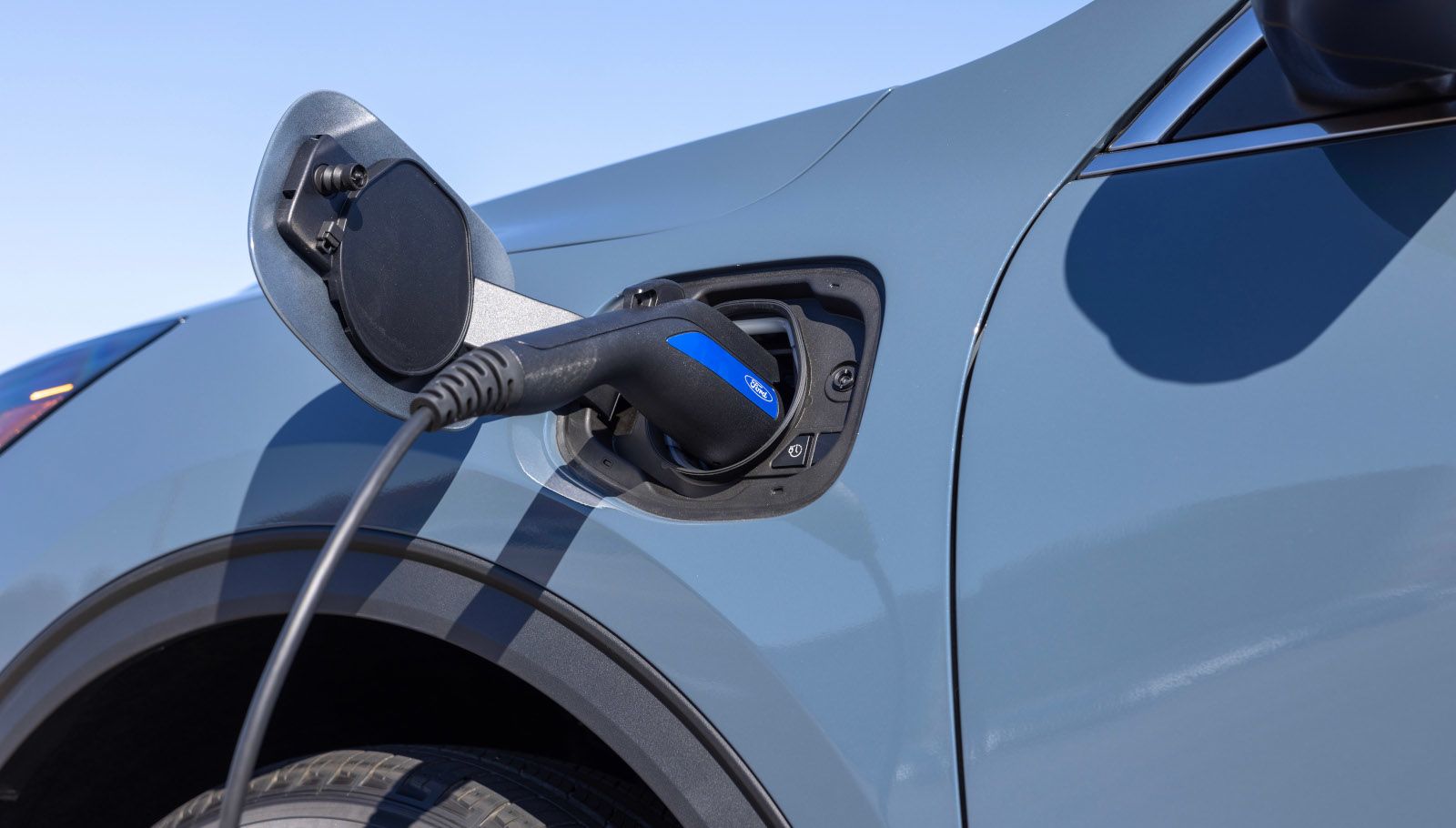
Level 1 uses standard 120V household outlets—the same ones powering your coffee maker and laptop. While it's the slowest option, it requires zero special installation and comes included with most EVs and PHEVs through portable charging cables.
Charging speeds range from 1.4 kW to 2.4 kW depending on the vehicle. For plug-in hybrids with smaller batteries, Level 1 works well for overnight charging. The 2026 Nissan Rogue PHEV, with its 20 kWh battery, takes approximately 16 hours on 120V—manageable if you're plugging in after dinner and leaving for work mid-morning.
For battery-electric vehicles with larger packs, Level 1 becomes impractical. The 2026 Kia EV9 with its 99.8 kWh battery would take over 84 hours for a full charge on Level 1.
Level 2 Charging (240V)
Level 2 uses 240V circuits similar to those for electric dryers or ranges. This significantly faster method typically requires professional installation of a dedicated circuit and wall-mounted charging station.
Level 2 chargers range from 7.2 kW to 19.2 kW depending on the unit and vehicle capability. Most EV and PHEV owners install Level 2 chargers for convenience and flexibility.
The 2026 Mazda CX-90 PHEV takes approximately 2.5 hours for a full charge on Level 2, compared to 11 hours on Level 1. The 2026 Toyota RAV4 PHEV features an 11 kW onboard charger, allowing faster home charging when paired with an appropriate Level 2 station.
For battery-electric vehicles, Level 2 becomes essential. The 2026 Kia Niro EV charges from 10-100% in approximately 6 hours on an 11 kW Level 2 charger—well-suited for overnight charging.
DC Fast Charging (Level 3)
DC fast charging provides rapid charging at public stations along highways and main routes, typically delivering 50 kW to 350 kW of power. Most PHEVs do not support DC fast charging, while battery-electric vehicles can charge from 10-80% in 20-45 minutes depending on battery size and charger output.
The 2026 Toyota bZ all-electric SUV features a NACS (North American Charging System) port and can charge from 10-80% in approximately 30 minutes under ideal conditions with DC fast charging. The 2026 Kia EV9 achieves similar speeds—24 minutes from 10-80% on a 350 kW charger.
Notably, the 2026 Toyota RAV4 PHEV XSE Technology Package includes DC fast charging capability through a CCS charging port—a rare feature for plug-in hybrids that adds flexibility for longer trips.
Connector Standards: What Plugs Into What
J1772 (Type 1)
The SAE J1772 is the universal standard for Level 1 and Level 2 AC charging in North America. This five-pin connector is compatible with nearly all EVs and PHEVs, including the Mazda CX-90 PHEV, Nissan Rogue PHEV, and most 2026 Toyota RAV4 PHEV trims. The connector ensures compatibility across charging stations regardless of manufacturer.
Combined Charging System (CCS) Type 1
CCS Type 1 combines the J1772 AC charging connector with two additional DC fast charging pins, creating a seven-pin system. This allows vehicles to accept both Level 1/2 AC charging and Level 3 DC fast charging through the same port. The 2026 Toyota RAV4 PHEV XSE Technology Package uses CCS Type 1 for its DC fast charging capability.
NACS (North American Charging System)
Starting in 2026, Toyota has fitted all bZ models with NACS DC charging ports, unlocking access to thousands of Tesla Superchargers across Canada. The 2026 Toyota bZ features NACS as standard, and Toyota is offering NACS adapters for 2023-25 bZ4X owners to access the same network.
British Columbia Regulations: What Victoria Homeowners Need to Know
BC Building Code Requirements
All new residential buildings in British Columbia—including single-family homes, townhouses, apartments, and condos—must be 100% EV-ready. This requires an energized outlet capable of providing Level 2 charging at each parking space.
For existing homes, there's no mandate to install charging infrastructure, but planning ahead makes sense. If you're renovating or upgrading your electrical panel, consider future-proofing for EV charging even if you're not ready to purchase an electrified vehicle today.
Electrical Planning Reports for Strata
Strata corporations with five or more units are required to obtain an Electrical Planning Report (EPR) to assess electrical capacity and plan for future EV charging needs. Deadlines are late 2026 for stratas in Metro Vancouver, Fraser Valley, and Capital Regional Districts (which includes Victoria), and late 2028 for other provincial areas.
If you live in a condo or townhouse in Victoria, your strata should be working on this now. Small strata communities with fewer than five units are exempt.
Installation Permits and Compliance
Permits are legally required for EV charger installations in British Columbia. Installation without a permit is considered non-compliant and may lead to enforcement action.
For multi-family dwelling installations, contractors must have a Field Safety Representative (FSR) assess all loads and perform load calculations in accordance with Section 8 of the BC Electrical Code. Technical requirements include proper marking of EVSE (Electric Vehicle Supply Equipment) with maximum charging current, overcurrent device rating, and installed conductor size, plus mechanical protection to prevent vehicle damage.
BC Hydro Rebates: Reducing Your Installation Costs
Single-Family Home Rebate
BC Hydro offers up to $350 back on eligible Level 2 home chargers and installation (50% of total cost, up to $350). Additional incentives include an extra $250 top-up for eligible smart EV chargers and $200 for installing an EV power management device.
Eligibility requirements include:
- Home must be located in British Columbia
- Home must be built at least 6 months prior to charger installation
- Charger must be wall-mounted with an electrical permit
- Rebates are not available for 240V outlet-only installations without a charger
BC Hydro processes approved rebates within 90 days of submission. For Victoria homeowners, this can reduce out-of-pocket expenses by $350-$600 depending on charger features.
Multi-Unit Residential Building (MURB) Rebates
Multi-unit buildings can receive up to $2,000 per Level 2 charger, or $1,400 if combined with EV Ready infrastructure rebate. Dual-port chargers may receive up to $4,000. A single MURB can receive a maximum of $14,000 while funding lasts.
Workplace Charging Rebates
Workplaces can receive rebates of up to $2,000 per charger with a $14,000 cap per location, covering up to 50% of eligible costs. Dual-port chargers qualify for up to $4,000. Rebates apply to purchase, installation, permits, network fees, and signage.
2026 Model Charging Comparison

|
Vehicle |
Battery Size |
Level 1 (120V) |
Level 2 (240V) |
DC Fast Charge (10-80%) |
|
Toyota RAV4 PHEV |
TBD |
TBD |
TBD (11 kW onboard) |
30 min (XSE Tech Package only) |
|
Nissan Rogue PHEV |
20 kWh |
16 hours |
7.5 hours |
Not supported |
|
Mazda CX-90 PHEV |
17.8 kWh |
11 hours |
2.5 hours |
Not supported |
|
Mitsubishi Outlander PHEV |
20 kWh |
16 hours |
6.5 hours |
38 min (400V DC) |
|
Toyota bZ (EV) |
TBD |
TBD |
TBD (11 kW onboard) |
30 min (NACS) |
|
Kia EV9 (Long Range) |
99.8 kWh |
84+ hours |
8 hours 45 min (11 kW) |
24 min (350 kW) |
|
Kia Niro EV |
64.8 kWh |
57 hours |
6 hours (11 kW) |
43 min (350 kW) |
Choosing the Right Setup for Your Victoria Home
For PHEV Owners (RAV4, Rogue, CX-90, Outlander)
If you're exploring a plug-in hybrid with 40-80 km of electric range, Level 2 charging makes daily electric driving practical. A basic 7.2 kW Level 2 charger covers most needs, though an 11 kW charger future-proofs your installation if you upgrade to a battery-electric vehicle later.
For Victoria drivers with short commutes (under 50 km daily), a PHEV paired with Level 2 home charging allows you to complete most trips on electric power alone. The gasoline engine provides backup for longer journeys to Nanaimo, Vancouver, or Tofino without range anxiety.
For Battery-Electric Vehicle Owners (bZ, EV9, Niro EV)
Level 2 charging is essential for battery-electric vehicles. An 11 kW charger provides flexibility for various EV models and ensures you can fully recharge overnight even after longer drives.
Smart chargers with app connectivity and scheduling features help you take advantage of BC Hydro's time-of-use rates if available, charging during off-peak hours to reduce costs.
For Condo and Townhouse Residents
Work with your strata council to understand the Electrical Planning Report process and timeline. If your building hasn't started this process and you live in the Capital Regional District, the late 2026 deadline is approaching.
Consider coordinating with other residents interested in EV charging to share installation costs and maximize BC Hydro MURB rebates. A coordinated approach often reduces per-unit costs significantly.
Smart Charger Features Worth Considering
Modern Level 2 chargers offer features beyond basic charging:
Scheduling: Program charging to start during off-peak hours for lower electricity rates
Load Management: Automatically adjusts charging speed based on household electrical demand
App Connectivity: Monitor charging status, energy consumption, and costs remotely
RFID Access Control: Restrict charger use to authorized users (useful for shared installations)
Energy Monitoring: Track charging costs and energy consumption over time
Smart chargers qualify for BC Hydro's additional $250 rebate, making them more cost-effective than basic models once rebates are applied.
Future-Proofing Your Installation
When installing a Level 2 charger, consider:
Circuit Capacity: Install at least a 60A circuit to support future higher-power chargers
Conduit: Run extra conduit for potential second charger or upgraded wiring
Panel Space: Ensure your electrical panel has room for additional circuits if needed
Charger Compatibility: Choose chargers with firmware update capability to support evolving standards
The shift from J1772 to NACS connectors is underway, but most 2026 models still use J1772 for Level 2 charging. NACS primarily affects DC fast charging compatibility. Your Level 2 home charger will remain compatible with future vehicles through adapters if needed.
Making the Transition in Victoria
Victoria's moderate climate makes EV ownership particularly practical—battery performance remains strong year-round, and charging infrastructure continues to expand across Vancouver Island.
From the versatile 2026 Toyota RAV4 PHEV to the family-friendly Nissan Rogue PHEV or the spacious Kia EV9, preparing your home for charging is straightforward with proper planning and available rebates.
The key is matching your charging setup to your driving patterns and vehicle choice. For most Victoria households, a professionally installed Level 2 charger provides the right balance of convenience, charging speed, and cost after BC Hydro rebates.
Experience Electrification at Carson Automotive Group in Victoria
Ready to explore how plug-in hybrids and electric vehicles fit into your Victoria lifestyle? Visit our team at Carson Automotive Group to see the latest 2026 electrified models in person. We'll help you understand charging options, available rebates, and which powertrain makes sense for your daily driving needs across Greater Victoria and Vancouver Island.