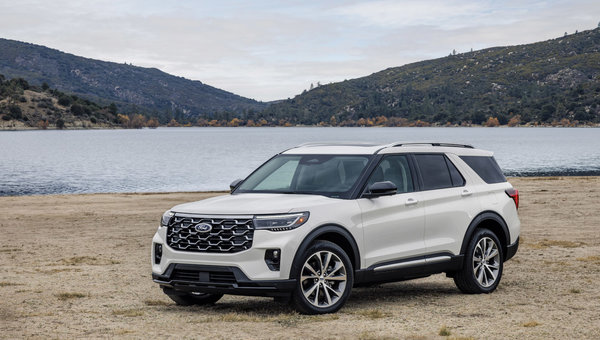
How a Plug-In Hybrid Can Cover Your Weekday Commute
September 09 2026,
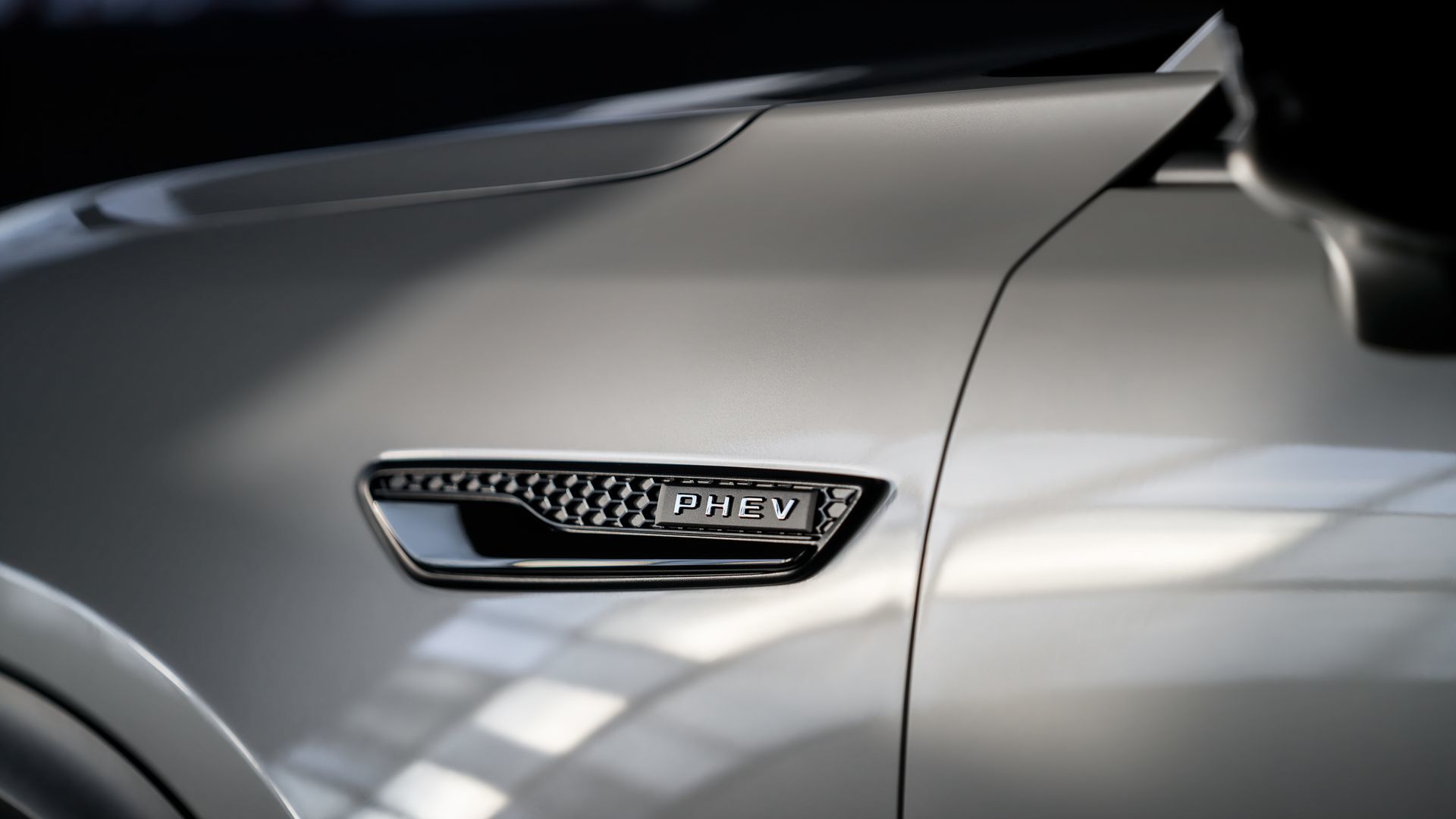
The car sits in the driveway overnight, plugged in. By morning the battery is full, and the drive to work, the stop for groceries and the trip home all happen without the engine turning on. That is the weekday a plug-in hybrid electric vehicle (PHEV) is built for.
A PHEV pairs a gasoline engine with a battery large enough to drive on electricity for a real distance. Charge it at home, and your daily driving runs on electric power first. Once the battery runs low, the vehicle carries on as a hybrid, so a long weekend drive never depends on finding a charger. This guide explains how that works, what affects your electric range, and how today’s PHEV SUVs compare.
At a Glance: 2026 Plug-In Hybrid SUVs
|
Model |
Seats |
Stated Electric Range |
|
Mitsubishi Outlander PHEV |
7 (5+2) |
72 km |
|
Mazda CX-70 PHEV |
5 |
51 km (GS-SC, GS-L SC) or 43 km (GT, Signature) |
|
Mazda CX-90 PHEV |
7 or 8 |
43 km |
|
Range Rover and Range Rover Sport P460e / P550e |
Varies by model |
Up to 82 km |
How a PHEV Handles a Weekday
A plug-in hybrid carries a rechargeable battery with a higher capacity than a conventional hybrid’s. Natural Resources Canada (NRCan) notes that a PHEV produces no tailpipe emissions while it runs in electric-only mode. That is the mode your commute uses when you start the day with a full charge.
When the battery charge gets low, the vehicle keeps going. It switches to hybrid operation and uses gasoline, with no need to stop and plug in. This is the key difference from a fully electric vehicle: the battery covers your routine driving, and the engine covers everything beyond it.
NRCan’s ratings reflect those two ways of driving. PHEVs get one set of figures for electric or mixed operation and another for gasoline-only operation, which is why the numbers on a window sticker look different from a regular car’s.
Mapping Your Weekday Against the Range

Statistics Canada reports that the average one-way commute for Canadians who drive to work takes 24.7 minutes. Time is only part of the picture, though. What matters for a PHEV is the total distance you drive between charges.
Here is an illustrative example of how to run the numbers for your own routine:
- Your route: a hypothetical 20 km drive to work, 20 km home and an 8 km errand adds up to 48 km
- Against the range: that total sits within the Outlander PHEV’s stated 72 km, the CX-70 PHEV’s 51 km on its GS-SC and GS-L SC trims, and the Range Rover P460e and P550e’s advertised range of up to 82 km
- Beyond the range: on a longer day, the engine takes over for the remaining distance
Map your own weekday the same way, then leave some room for the conditions covered below.
What Changes Your Electric Range
A stated electric range is a starting point. NRCan explains that laboratory ratings cannot predict every trip, because speed, temperature, weather and powered accessories all affect your results. Highway speeds use more energy than stop-and-go city driving, and running the heat or air conditioning draws on the battery.
Cold weather matters most. Mazda notes that in cold conditions, the engine in its PHEVs can start to heat the cabin even when the battery is fully charged. Plan for fewer electric kilometres on the coldest mornings, and treat the stated range as a guide for typical conditions.
Charging at Home
Home charging keeps the routine simple. NRCan explains that PHEVs can recharge with 240 V equipment, known as Level 2, and that most can also use a standard 110 V household outlet, with much longer charging times.
The numbers show why Level 2 makes daily charging easier. Mitsubishi states the Outlander PHEV charges in about 16.5 hours on a household outlet, compared with about 6.5 hours on Level 2. Mazda lists about 1.3 hours to charge the CX-70 PHEV from 20% to 80% on a 240 V, 30 A connection.
Mitsubishi Outlander PHEV
The Outlander PHEV offers the longest stated electric range among the Mitsubishi and Mazda models here, at 72 km. It uses a 2.4 L 4-cylinder engine and a 22.7 kWh battery, with a total system output of 297 hp. Seating for seven in a 5+2 layout makes it a strong fit for families who commute during the week and fill every seat on the weekend.
It also supports DC fast charging, reaching about 80% in roughly 29 minutes. Mitsubishi rates it at 8.6 L/100 km combined when running on gasoline only, and 3.2 Le/100 km combined when gasoline and electricity work together. Drivers can choose EV Priority mode to favour electric driving or Charge mode to add charge to the battery on the road.
Mazda CX-70 PHEV and CX-90 PHEV
Mazda’s two plug-in hybrids share the same system output: 323 hp and 369 lb-ft on 93-octane fuel, or 319 hp on 87-octane. Both offer an EV mode for electric driving.
The five-seat CX-70 PHEV carries a 17.8 kWh battery. Its electric range is 51 km on the GS-SC and GS-L SC trims and 43 km on the GT and Signature trims. Mazda rates it at 9.0 L/100 km combined on gasoline for the SC trims and 9.2 L/100 km for the GT and Signature.
The CX-90 PHEV adds a third row, with seating for seven or eight depending on configuration. It offers 43 km of electric range and a combined rating of 9.2 L/100 km on gasoline.
Range Rover and Range Rover Sport PHEVs
Land Rover offers P460e and P550e plug-in hybrid versions of the Range Rover and the Range Rover Sport, with an advertised electric range of up to 82 km. Both support DC charging. For the Range Rover, Land Rover states DC charging at up to 50 kW and a full charge from empty in as little as five hours on a 7 kW AC connection.
The Federal Incentive for Plug-In Hybrids

Transport Canada’s Electric Vehicle Affordability Program offers up to $2,500 for eligible PHEVs in 2026. Eligibility depends on the vehicle and the transaction. Requirements include a transaction value cap for vehicles not made in Canada and a minimum lease term of 12 months, with the full incentive for leases of 48 months or more. Ask our team which trims and transactions qualify.
Which PHEV Fits Your Weekday?
Start with your seating needs, then match the electric range to your routine:
- Longest range with a third row: the Outlander PHEV pairs 72 km of stated electric range with seven seats
- Five seats with a strong electric range: the CX-70 PHEV in its GS-SC and GS-L SC trims
- Three rows from Mazda: the CX-90 PHEV, with seating for seven or eight
- Luxury with the longest advertised range: the Range Rover and Range Rover Sport P460e and P550e
Test Drive a Plug-In Hybrid Across Carson Automotive Group
Charging overnight and driving on electricity through the week is a simple routine once you have the right vehicle. Carson Automotive Group’s Mazda, Mitsubishi and Land Rover dealerships in Victoria make it easy to compare plug-in hybrids from three brands in one trip. Visit the dealership for the brand that fits your weekday, and book a test drive to see how your commute fits within its electric range.