How AWD and Traction Systems Respond on Wet Roads
September 16 2026,
The wipers switch on by themselves, the road turns dark and glossy, and the car ahead kicks up a fine spray. Most drivers slow down a little and carry on. Underneath them, several systems are already at work, constantly checking how the tires are gripping.
Modern all-wheel drive (AWD) and traction technology does a lot of quiet work on a rainy day. Each brand approaches it a little differently, and each system has limits worth understanding. This guide explains what happens when the pavement gets wet, how the systems from Mazda, Ford, Lincoln, Mitsubishi and Land Rover respond, and what the driver still needs to handle.
The Systems Working Together on a Wet Road
Three layers of technology share the job of keeping a vehicle stable in the rain.
Electronic stability control (ESC) is the safety net. Transport Canada explains that ESC detects when the direction the vehicle is travelling no longer matches the driver’s steering input. It then briefly brakes individual wheels, reduces engine power, or both, to bring the vehicle back in line. ESC has been mandatory on the vehicle categories covered by Transport Canada’s rule since the 2012 model year.
Traction control works on acceleration. When a drive wheel starts to spin on a slick surface, the system reduces power or applies the brake at that wheel so the tires can grip again.
All-wheel drive decides where the engine’s torque goes. Instead of sending power only to the front or rear wheels, an AWD system shifts it between the axles, and in some cases between individual wheels, toward the tires with the most grip.
Mazda i-Activ AWD: Reading the Signs Before Slip Happens

Mazda’s i-Activ AWD is standard on the CX-5, CX-70 and CX-90. Its defining trait is prediction. Mazda Canada explains that the system monitors inputs including outside temperature, wiper operation, steering and engine load, then calculates the front-to-rear torque split 200 times per second.
That wiper input matters on a rainy day. When the wipers are running, the system has a strong clue that the road is wet and can adjust torque distribution before a tire starts to slip, instead of reacting afterward.
Mazda backs i-Activ AWD with Dynamic Stability Control and a Traction Control System, both standard across the CX-70 and CX-90 lineups. Those models also come standard with rain-sensing wipers and a direct-type tire pressure monitoring system. The CX-5 adds the latest version of G-Vectoring Control Plus, which now includes an electronic brake limited-slip differential to improve traction in challenging conditions.
Ford and Lincoln: Intelligent Drive and Slippery Mode
Ford’s approach pairs automatic torque management with driver-selectable modes. Ford Canada explains that its Intelligent AWD automatically adjusts the torque sent to each wheel on rain-soaked roads.
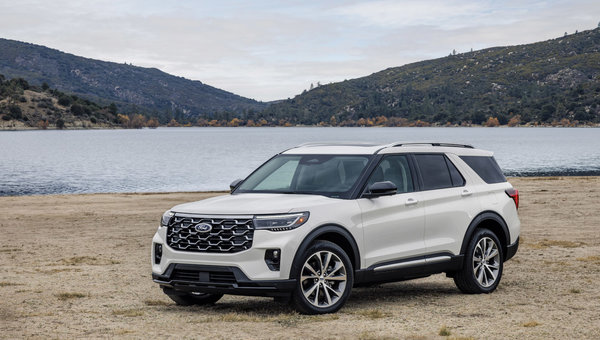
The Ford Explorer uses Intelligent Four-Wheel Drive. On the Explorer Tremor, the Slippery drive mode adjusts vehicle settings for rain, snow and ice, and a standard Torsen limited-slip differential helps maintain traction on slippery surfaces.
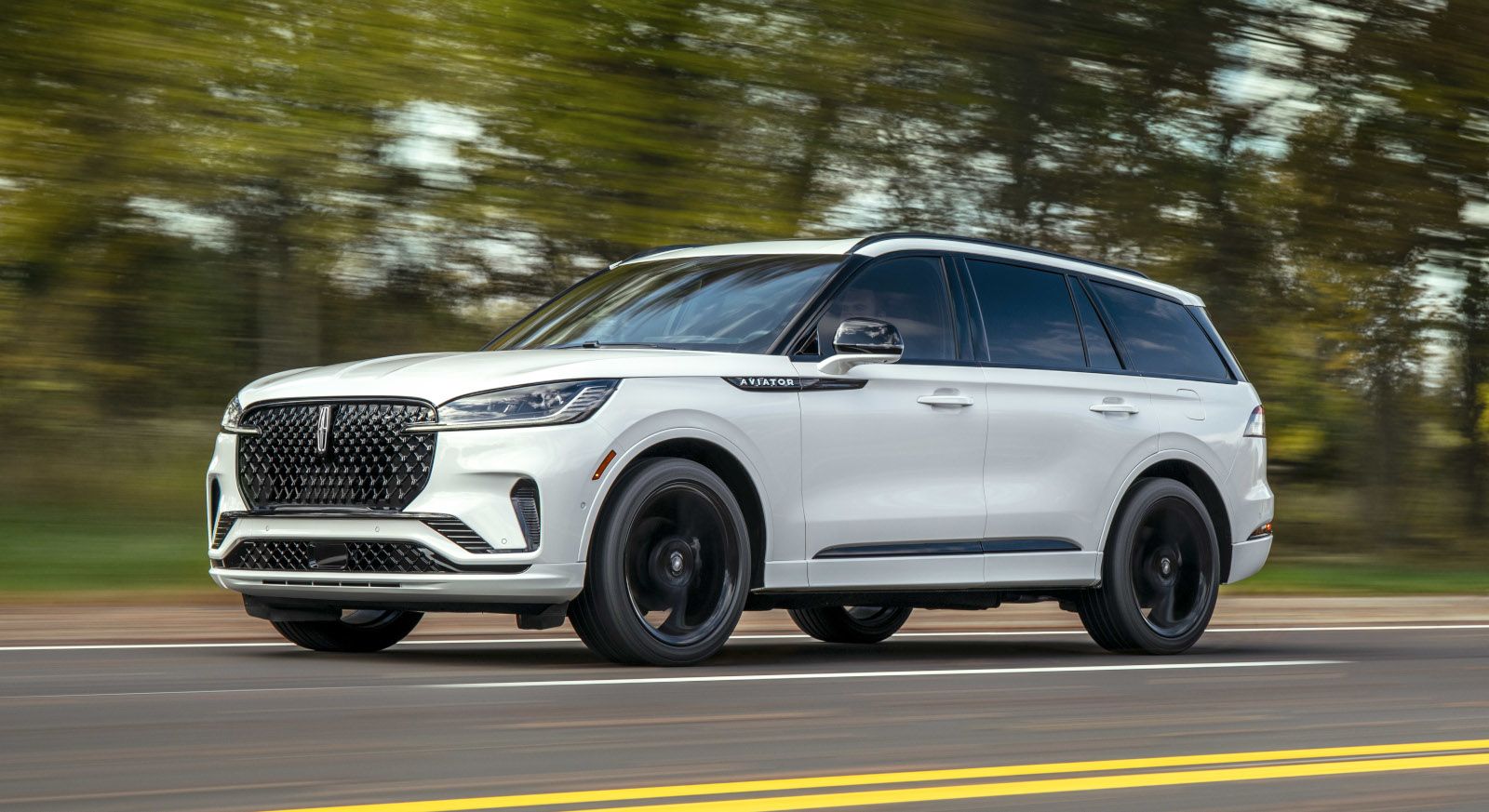
The Lincoln Aviator and Navigator offer Lincoln Drive Modes that include a Slippery setting. The Navigator also offers a Deep Conditions mode, but its owner’s manual is clear about when to use it: this mode is intended only for consistently slippery or loose surfaces, and using it on dry, hard-surfaced roads produces excessive noise, increases tire wear and can damage drive components.
Mitsubishi S-AWC: Managing Grip Side to Side
Mitsubishi’s Super All-Wheel Control (S-AWC) comes standard on the 2026 Outlander, with a drive mode selector. It goes beyond front-to-rear torque management. Mitsubishi explains that S-AWC manages left-to-right driving and braking forces by applying the brake at individual wheels as needed. That helps the Outlander stay true to the driver’s intended path on slippery curves.
Drivers can choose from six selectable modes, including Normal, Tarmac and Snow, at the turn of a dial. The RVR is available with Mitsubishi’s All-Wheel Control (AWC) system.
Land Rover Defender: Terrain Response

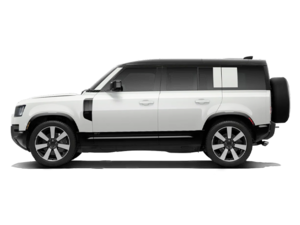
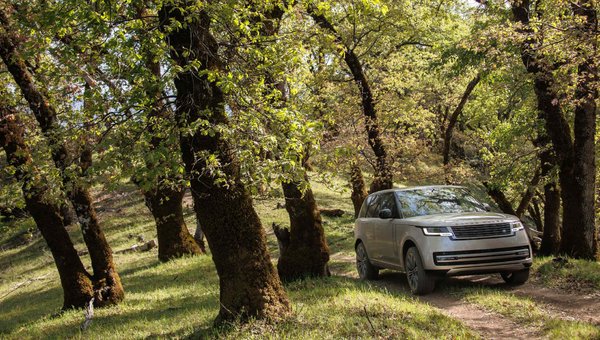
Every Land Rover Defender, including the 90, 110 and 130, uses four-wheel drive paired with Land Rover’s Terrain Response system. Land Rover Canada describes Terrain Response 2 as automatically adapting vehicle settings based on sensor information. Its modes include Grass/Gravel/Snow for low-grip surfaces.
Where Traction Systems Reach Their Limits
Traction technology manages the grip a vehicle has. It cannot create more of it. AWD helps a vehicle accelerate and stay composed, but stopping distance still depends on the tires and the road surface. That is why tire condition matters as much as the drivetrain. Worn tread and incorrect pressure reduce the grip every system relies on, so check your tires regularly, especially before the rainy season.
Driver-assistance features have limits in heavy rain, too. The Lincoln Aviator owner’s manual notes that lane centering does not always operate correctly in inclement weather, including heavy rain and fog, and that system operation can be limited by road spray. When rain, ice or mud blocks the front radar, the adaptive cruise control displays a sensor-blocked message. Cleaning the sensor typically resolves it.
A few habits help every system do its job:
- Slow down on wet roads: traction systems work best when they have margin to work with
- Keep sensors and cameras clear: clean the windshield and front bumper sensor area when road spray builds up
- Match the drive mode to the conditions: use Slippery or Snow settings when the brand recommends them, and avoid off-road modes on paved roads
- Stay engaged: driver-assistance features support you, but you remain responsible for steering and braking
Key Takeaways
|
Brand |
Traction Technology in the Rain |
|
Mazda |
i-Activ AWD reads wiper use, temperature and steering to adjust torque 200 times per second |
|
Ford |
Intelligent AWD adjusts wheel torque automatically; Slippery mode on the Explorer Tremor |
|
Lincoln |
Lincoln Drive Modes with a Slippery setting on the Aviator and Navigator |
|
Mitsubishi |
S-AWC brakes individual wheels to hold the driver’s intended path on slippery curves |
|
Land Rover |
Terrain Response adapts vehicle settings to the surface on every Defender |
Explore Wet-Weather Traction Across Carson Automotive Group
The right traction system turns a rainy commute into a routine drive. With Mazda, Ford, Lincoln, Mitsubishi and Land Rover dealerships in Victoria, Carson Automotive Group makes it easy to compare how each brand handles grip. Visit the dealerships on your list and ask for a test drive, so you can feel the difference for yourself.