How Rain-Sensing Wipers and Active Safety Tech Perform in Heavy Rain
November 30 2025,
When heavy rain hits British Columbia's highways, your windshield wipers are working overtime—but they're not the only technology helping you navigate safely. Modern vehicles combine rain-sensing systems, automatic lighting, and advanced driver-assist features to maintain visibility and awareness when conditions deteriorate. Understanding each system's function and performance boundaries helps drivers make better decisions during Victoria's wettest months.
Rain-Sensing Wipers: Automatic Adjustment for Changing Conditions
Rain-sensing wipers use an optical sensor mounted near the rearview mirror to detect moisture on the windshield. When the sensor identifies water droplets, it automatically adjusts wiper speed to match rainfall intensity, eliminating the need for constant manual adjustments as conditions change.
The 2025 Toyota Prius PHEV, for example, features a sensitivity ring that allows drivers to adjust how quickly the system responds to moisture. Set to high sensitivity, wipers activate with just a few droplets; at low sensitivity, they wait for heavier accumulation before increasing speed.
Lincoln Aviator and Navigator models offer similar functionality through their rotary control, which adjusts sensor responsiveness based on driver preference. This automatic operation keeps both hands on the wheel and attention on the road rather than on wiper controls.
Key Benefits:
- Maintains clear visibility without manual intervention
- Adjusts wiper frequency as rain intensity changes
- Reduces driver distraction during critical moments
Automatic Lighting: Visibility Works Both Ways
Rain-sensing wipers often pair with automatic headlight systems that activate low beams whenever the sensor detects precipitation or reduced light. This dual activation ensures your vehicle is visible to other drivers while improving your own forward visibility—critical on Vancouver Island's tree-lined highways when heavy rain creates sudden darkness.
Modern LED headlight systems found across Ford, Lincoln, and Mazda lineups provide brighter, more focused illumination than older halogen bulbs. Many systems include automatic high-beam control that switches between high and low beams based on detecting oncoming traffic, reducing glare for other drivers while maximizing your visibility when the road is clear.
For Victoria drivers navigating Highway 1 during evening downpours, this automated lighting coordination removes one more decision from an already demanding driving situation.
Heated Glass and Defog Systems: Maintaining Clear Surfaces
Rain creates visibility challenges beyond what wipers alone can address. Condensation forms on interior glass surfaces when warm, humid air meets cooler windows—a common occurrence during BC's rainy season. Heated rear windows and defoggers eliminate this moisture quickly.
Some vehicles add heated wiper parking areas that prevent ice and snow buildup at the base of the windshield, ensuring wipers can move freely when you need them most. The 2025 Lincoln Aviator includes heated wiper blades that activate in cold temperatures when wipers are running or when defrost is engaged, preventing ice accumulation that reduces wiper effectiveness.
These systems maintain clear glass on all surfaces, not just areas wipers reach.
How Cameras and Sensors Perform in Heavy Rain
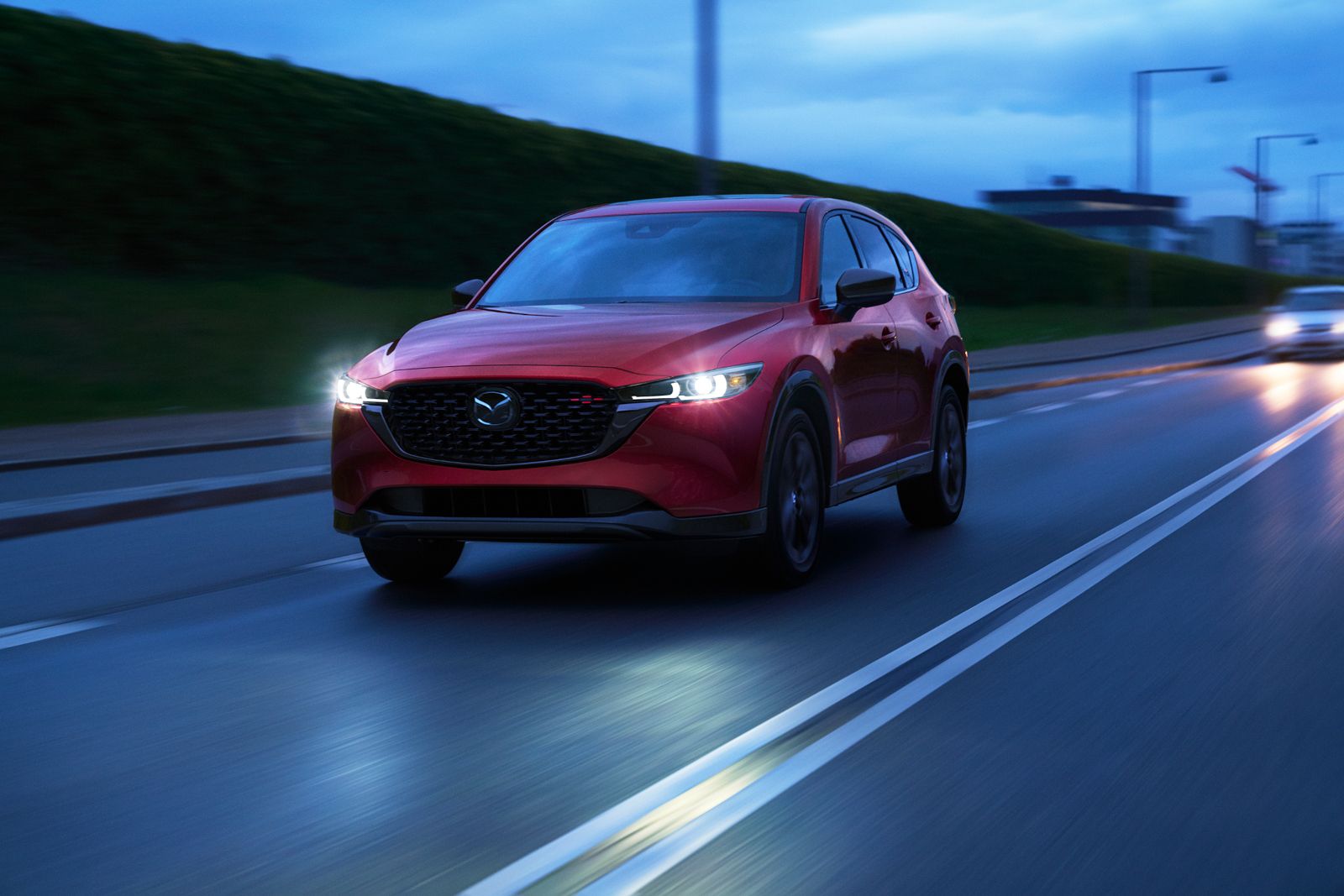
Advanced driver-assist systems (ADAS) rely on cameras and radar sensors to detect vehicles, pedestrians, lane markings, and road conditions. While these technologies provide valuable support in good weather, their performance changes significantly when heavy rain introduces spray, standing water, and obscured lane markings.
Camera-Based Systems
Forward-facing cameras used for lane-keeping assist, traffic sign recognition, and automatic emergency braking can struggle when water droplets accumulate on the lens or when spray from other vehicles reduces visibility. The 2025 Toyota Prius PHEV owner's manual specifically notes that Pre-Collision System, Lane Departure Alert, and Dynamic Radar Cruise Control may not operate properly during heavy rain, fog, or when the windshield camera area is obscured.
Manufacturers address this through strategic camera placement behind windshield wipers and by using hydrophobic coatings, but limitations remain. If the windshield area in front of the camera becomes fogged or covered with condensation, these systems may temporarily disable until conditions improve.
Radar-Based Systems
Radar sensors used for adaptive cruise control and blind-spot monitoring penetrate rain better than cameras, but they're not immune to weather effects. Heavy spray can create false reflections, and standing water on the road surface can scatter radar signals. The systems remain functional but may have reduced range or increased false alerts.
Subaru EyeSight, which uses stereo cameras rather than radar for many functions, relies on clear windshield conditions to maintain full functionality. The system includes Pre-Collision Braking and Lane Departure Warning, but performance degrades when camera visibility is compromised by water accumulation.
Real-World Performance Limitations
Independent testing has shown that automatic emergency braking systems experience reduced effectiveness in simulated heavy rain conditions. In moderate to heavy spray, some vehicles failed to detect stopped vehicles consistently, while lane-keeping systems drifted from lane markings more frequently when pavement markings were obscured by water.
These findings don't mean the systems are unreliable—they mean drivers must understand their limitations and maintain full engagement during poor weather rather than relying on technology to compensate for reduced visibility.
Blind-Spot Monitoring and Adaptive Cruise Control in Wet Conditions
Blind-spot monitoring systems use radar sensors mounted in the rear bumper or side mirrors to detect vehicles in adjacent lanes. Because radar waves penetrate rain and spray more effectively than visible light, these systems maintain better functionality during storms than camera-based features.
However, heavy spray from large vehicles can still create temporary interference. When a transport truck passes in the adjacent lane during a downpour, the wall of water it creates may briefly obscure the radar signal, potentially delaying detection or creating momentary blind spots.
Adaptive cruise control similarly uses radar to maintain following distance from the vehicle ahead. In rain, the system continues to function but may struggle to maintain consistent distance if spray reduces sensor range. Most systems will alert the driver if sensor performance is degraded and may temporarily disable until conditions improve.
For drivers navigating Highway 17 during Victoria's rainy season, these systems provide valuable backup awareness, but they cannot replace shoulder checks and careful lane changes, especially when visibility is severely reduced.
Maintaining System Effectiveness During Storms

Several factors affect how well these systems perform when rain arrives:
Windshield Condition
Rain-sensing wipers and forward cameras require clean windshield glass to function properly. Dirt, bugs, or film on the windshield can cause wipers to activate unnecessarily or prevent cameras from detecting obstacles accurately. Regular windshield cleaning and wiper blade replacement maintain system performance.
Sensor Cleanliness
Radar sensors and cameras mounted in bumpers or grilles can accumulate road spray, mud, and debris. Some vehicles include dedicated camera cleaning washers—the 2025 Toyota Prius PHEV offers a separate washer for rear-view and parking assist cameras. Keeping these sensors clean ensures they can function when you need them most.
Temperature Considerations
Extreme temperatures affect camera operation. If the camera becomes too hot (after parking in direct sun) or too cold (during winter storms), systems may temporarily disable until temperature returns to normal range. Using climate control to moderate interior temperature helps cameras return to operation more quickly.
Proper Washer Fluid
In temperatures below 5°C, using washer fluid with antifreeze protection prevents fluid from freezing on the windshield, which can obscure vision and interfere with camera operation. The Lincoln Aviator owner's manual specifically warns that failure to use antifreeze-protected fluid in cold weather could result in impaired windshield vision.
What This Means for Victoria Drivers
Heavy coastal rain, spray from commercial vehicles on the Trans-Canada Highway, and dark winter afternoons make automatic lighting, rain-sensing wipers, and defog features everyday safety tools rather than luxury conveniences for Vancouver Island drivers. These systems reduce distraction and help maintain visibility during challenging conditions.
However, Transport Canada and independent safety researchers emphasize that these systems are driver-assist technologies, not replacements for attentive driving. In heavy rain, drivers should reduce speed, increase following distance, use low beams, and treat ADAS features as backup support rather than primary vision.
Understanding how your vehicle's visibility and safety systems function—and their performance boundaries—helps you make informed decisions during British Columbia's wettest months.
Experience Advanced Safety Systems at Carson Automotive Group
Modern vehicles integrate multiple technologies to support visibility and awareness during challenging weather conditions. From rain-sensing wipers to radar-based monitoring systems, these features help you navigate safely through Victoria's rainy season.
Carson Automotive Group's team can demonstrate how these systems function in real-world conditions and explain the capabilities and limitations of the safety features in vehicles across our lineup. Visit our Victoria showroom to experience how advanced safety technology supports confident driving when weather conditions deteriorate.