Hybrid vs. Plug-In Hybrid: Which Electrified Powertrain Fits Your BC Driving?
November 26 2025,
Hybrid and plug-in hybrid vehicles both combine a gasoline engine with electric drive, but they differ in battery size, charging requirements, and how much you can drive on electricity alone. For BC drivers looking to reduce fuel costs and emissions, understanding these differences helps you match the right powertrain to your daily routine, charging access, and budget.
Whether you're considering a Ford Escape Hybrid, Mitsubishi Outlander PHEV, or Mazda CX-90 Plug-In Hybrid, each technology offers distinct advantages depending on how and where you drive. This guide breaks down how hybrids and plug-in hybrids work, their real-world pros and cons, and how to decide which fits your lifestyle in Victoria and across British Columbia.
At a Glance: Hybrid vs. Plug-In Hybrid
|
Feature |
Hybrid (HEV) |
Plug-In Hybrid (PHEV) |
|
Battery Size |
Small (1–2 kWh typical) |
Large (8–18 kWh typical) |
|
External Charging |
Not required |
Required for full benefit |
|
Electric-Only Range |
None (engine always available) |
30–70 km typical |
|
Fuel Economy |
Strong across all driving |
Excellent when charged regularly |
|
Upfront Cost |
Lower than PHEV |
Higher than HEV |
|
Best For |
Highway driving, no home charging |
Short daily commutes, home charging access |
How Hybrid and Plug-In Hybrid Systems Work
A standard hybrid uses a relatively small battery and electric motor to assist the gasoline engine. The battery recharges itself through regenerative braking—converting kinetic energy when you slow down—and engine operation, so you never plug it in. The electric motor helps during acceleration and low-speed driving, reducing fuel consumption without changing your fueling habits.
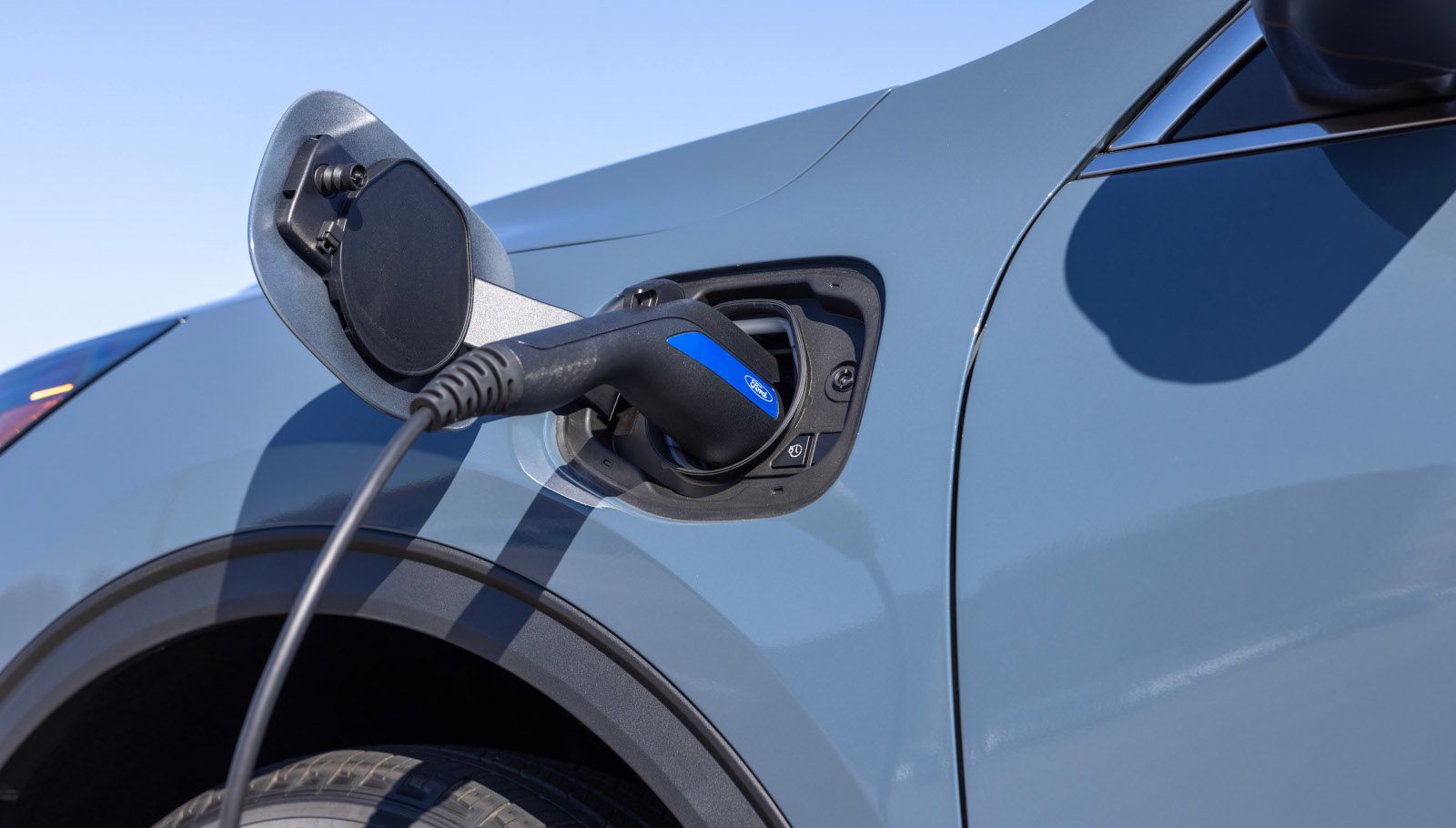
A plug-in hybrid uses a much larger battery that you charge from a wall outlet or public charging station. This larger capacity allows the vehicle to drive a meaningful distance on electricity alone before the gasoline engine starts. Once the battery depletes, the vehicle operates like a regular hybrid, using both engine and motor for strong fuel efficiency.
The Toyota Prius Plug-In Hybrid, for example, features a 2.0 L engine paired with an electric motor-generator system producing 220 horsepower. Its lithium-ion battery provides up to 72 kilometres of electric-only range and can fully recharge in as little as four hours on a Level 2 charger. When the battery is depleted, the Prius PHEV continues running with an estimated fuel efficiency of 4.5 L/100 km in hybrid mode.
Everyday Pros and Cons
Hybrid Advantages
Hybrids typically offer a significant fuel-economy improvement over conventional gasoline vehicles with no change to fueling habits. You fill up at the pump as usual, and the vehicle manages battery charging automatically. This makes hybrids ideal for drivers who lack home charging infrastructure, do frequent long highway trips, or want efficiency gains without adding charging routines to their day.
The Ford Escape Hybrid delivers consistently strong efficiency regardless of where you drive, and its self-charging system means you never need to plan around charging stations or install home equipment.
Hybrid Limitations
Because hybrids rely on smaller batteries and can't drive on electricity alone, they don't match the near-zero fuel use that plug-in hybrids achieve on short trips when fully charged. Hybrids also offer less regenerative braking benefit during city driving compared to plug-in hybrids with larger batteries.
Plug-In Hybrid Advantages
Plug-in hybrids usually cost more upfront and require access to charging, but they can dramatically cut fuel use on short daily drives by covering 30–70 kilometres on electricity alone before the gasoline engine is needed. For BC drivers with typical urban or suburban commutes, this means many trips use no gasoline at all.
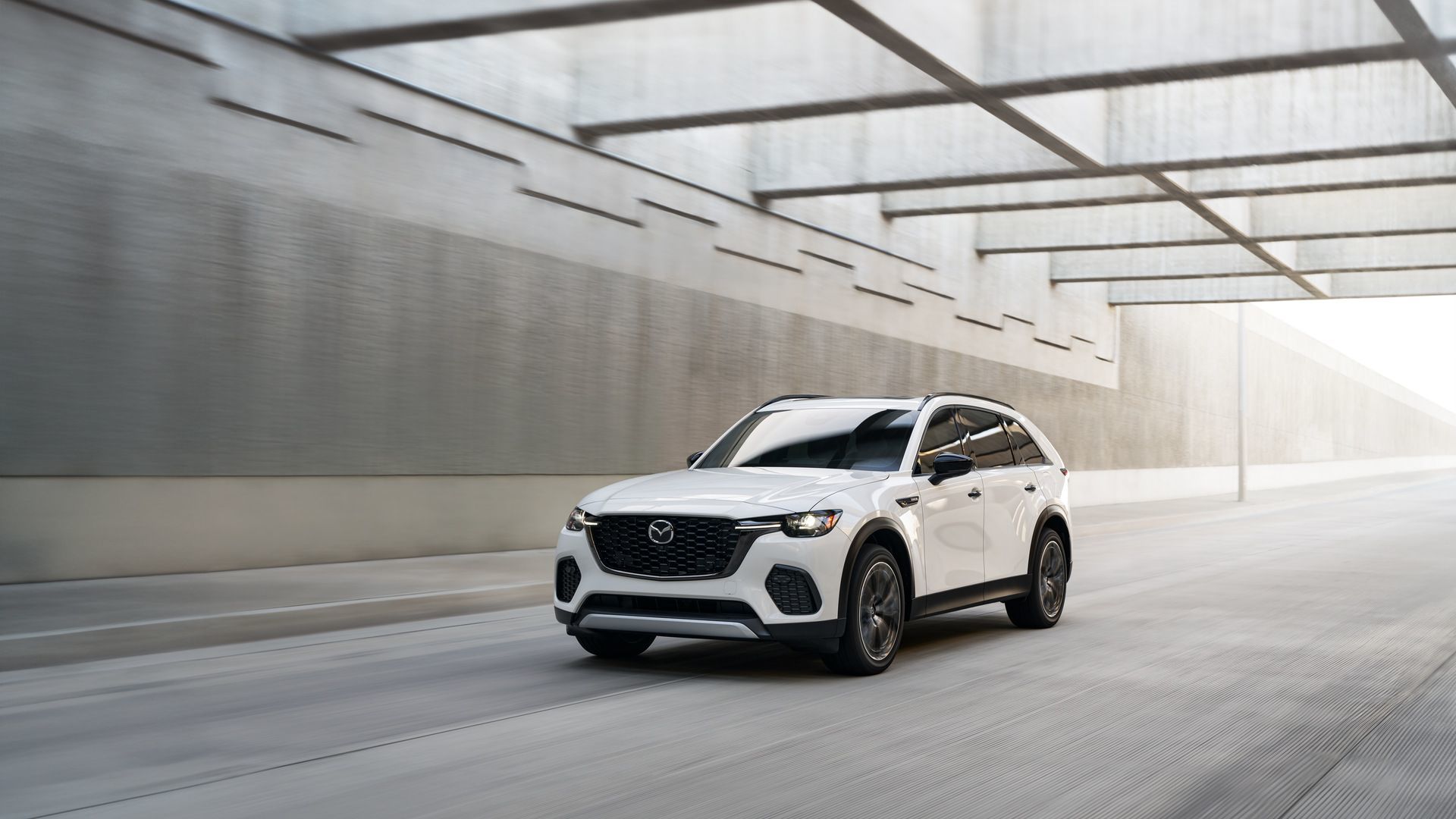
The Mitsubishi Outlander PHEV, a three-row SUV with all-wheel drive, offers families the flexibility to drive electrically around town while retaining full gasoline range for weekend trips to the Interior or Vancouver Island. The Mazda CX-90 Plug-In Hybrid provides around 42 kilometres of electric driving under typical conditions, backed by an 8-year/160,000-kilometre battery warranty in Canada.
Plug-In Hybrid Limitations
Plug-in hybrids require regular charging to maximize their efficiency advantage. Without consistent charging, they operate as heavier, less efficient hybrids. They also cost more upfront than standard hybrids, and drivers need access to home charging or workplace stations for daily use. Installation of a Level 2 home charger adds to the initial investment.
Efficiency, Range and BC Driving Conditions

Plug-in hybrids on the Canadian market commonly offer electric-only ranges in the 40–70 kilometre band based on Natural Resources Canada data. This range covers the full daily commute for many urban and suburban drivers in Victoria, Saanich, Langford, and surrounding areas when the vehicle is charged regularly.
Official NRCan fuel-consumption ratings show that plug-in hybrids achieve very low energy use when driven mostly on battery power. The Ford Escape Plug-In Hybrid, for instance, offers about 60 kilometres of electric range and very low combined fuel use when charged, according to NRCan-based reviews. Standard hybrids deliver consistently strong efficiency regardless of charging access, making them reliable for mixed driving that includes highway travel.
BC's climate affects both powertrains. Cold weather reduces electric range in plug-in hybrids because battery chemistry is less efficient at low temperatures, and cabin heating draws significant power. Hybrids are less affected by cold weather since the gasoline engine provides heat. In summer, air conditioning use impacts both technologies but has a larger proportional effect on plug-in hybrid electric range.
Choosing Between Hybrid and Plug-In Hybrid
Consumer guides advise that hybrids suit BC drivers who want lower fuel use and emissions without installing home charging, while plug-in hybrids are best for those who can plug in regularly and do mostly short-to-medium trips, yet still need long-distance flexibility.
Choose a Hybrid If:
- You lack home charging access or workplace charging options
- Your daily driving includes frequent highway trips over 100 kilometres
- You want fuel savings without adding charging routines
- You prefer lower upfront cost and simpler ownership
Choose a Plug-In Hybrid If:
- You have reliable access to home or workplace charging
- Your daily commute is under 60 kilometres
- You want to minimize fuel use and emissions on routine trips
- You need gasoline range for occasional long trips
- You're comfortable with higher upfront cost for long-term fuel savings
When comparing models, review official NRCan fuel-consumption and electric-range figures, think about your typical daily distance, and assess your charging access. The right choice depends on your specific driving patterns and infrastructure.
Experience Both Technologies at Carson Automotive Group

Understanding the differences between hybrid and plug-in hybrid powertrains helps you make an informed choice based on your daily routine, charging access, and driving needs in British Columbia. Whether you're drawn to the simplicity of a self-charging hybrid or the electric-driving capability of a plug-in hybrid, both technologies deliver fuel savings and reduced emissions compared to conventional vehicles.
Visit one of Carson Automotive Group’s dealerships in Victoria to explore hybrid and plug-in hybrid options across Ford, Lincoln, Mitsubishi, Mazda, Jaguar, and Land Rover. Our team can help you compare electric range, fuel economy, and charging requirements to find the powertrain that fits your BC lifestyle.