Is All-Wheel Drive Worth It? A Guide for Greater Victoria Commuters
October 29 2025,
When October rain starts turning roads slippery around Victoria, many drivers wonder if all-wheel drive is worth the investment. The question comes up every fall as Vancouver Islanders prepare for another unpredictable winter season. If you drive Highway 1 regularly or navigate the winding streets between Langford and Saanich, understanding the real difference between AWD and FWD matters more than sales brochures suggest.
How All-Wheel Drive Actually Works
All-wheel drive sends power to all four wheels instead of just the front two. Modern AWD systems monitor road conditions constantly and shift power where it’s needed most. When your front wheels start slipping on wet leaves near Thetis Lake, the system automatically sends more power to the rear wheels to maintain traction.
Front-wheel drive vehicles power only the front wheels. This setup works fine in many conditions and costs less to maintain. The engine sits over the front wheels, which gives decent traction in light snow. Most sedans and compact cars use this layout because it saves weight and improves fuel economy.
Real Benefits for Victoria Drivers
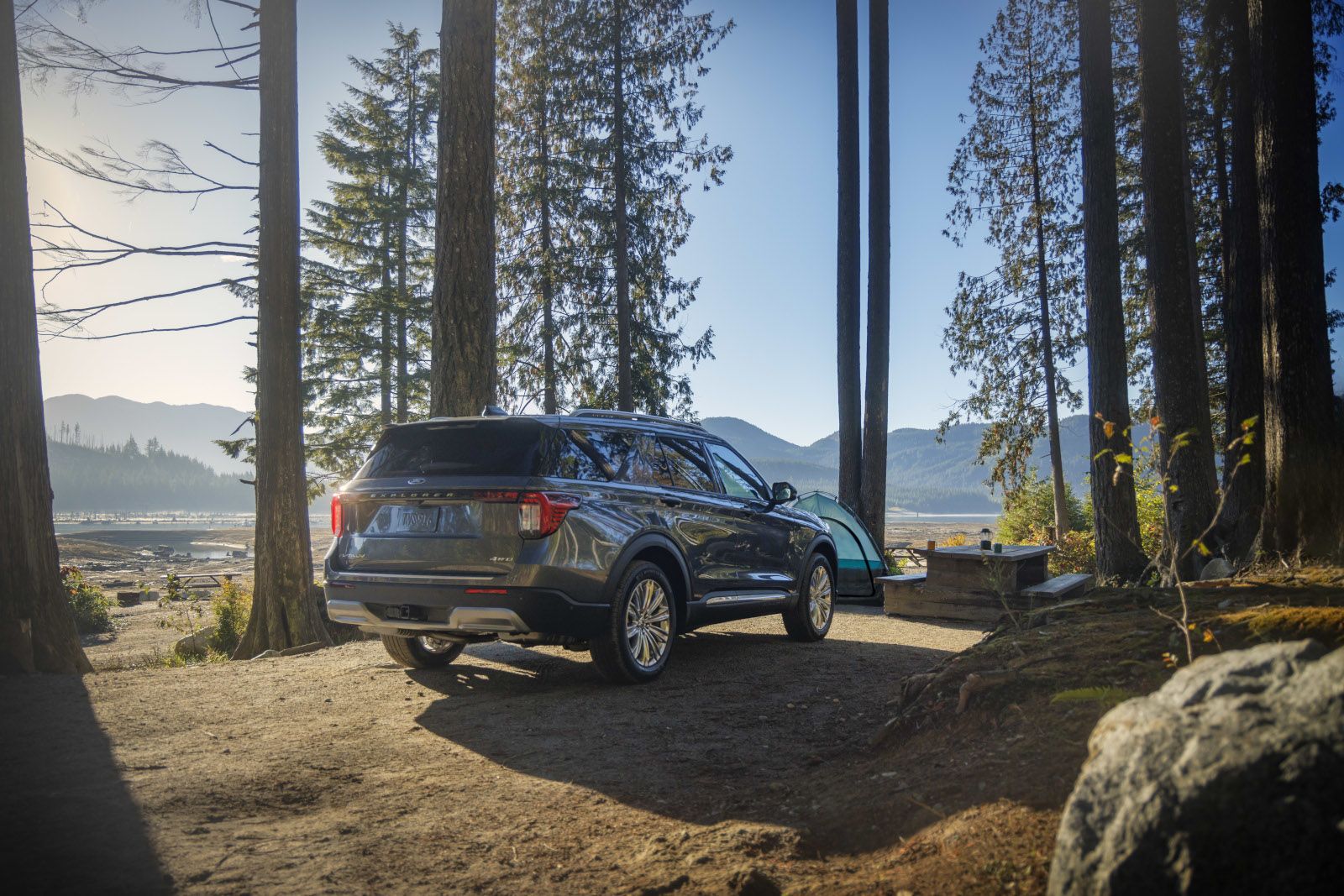
AWD provides noticeable advantages in several situations Greater Victoria residents face regularly:
Wet Weather Handling
October through November brings frequent rain to southern Vancouver Island. AWD helps maintain grip when accelerating from traffic lights on slick pavement or merging onto Highway 17 during a downpour. The system prevents that unsettling front-wheel spin you get with FWD when the road surface is soaked.
Early Winter Conditions
That first snowfall in late November or early December often catches road crews off guard. Before plows clear secondary routes like Metchosin Road or Burnside Road West, AWD gives you stable acceleration through a few centimeters of fresh snow. FWD vehicles can handle this too, but you’ll feel the difference in control and confidence.
Gravel and Unpaved Roads
If you visit cottage areas around Shawnigan Lake or travel gravel roads in the Cowichan Valley, AWD provides better traction on loose surfaces. The system distributes power to prevent wheel spin and maintains forward momentum on uneven terrain.
Highway Merging in Slush
Winter highway driving creates slushy conditions where lanes meet. AWD improves your ability to accelerate confidently when merging from Millstream Road onto Highway 1 during rush hour, when melting snow creates rutted, uneven pavement.
Where FWD Still Makes Sense
Front-wheel drive isn’t inferior—it’s practical for many Vancouver Island drivers. Modern FWD vehicles with good winter tires handle snow competently. If your daily drive involves mostly cleared city streets and highways, FWD with proper seasonal tires delivers reliable winter performance.
FWD vehicles typically cost less to purchase used and require simpler maintenance. They also consume less fuel because they don’t carry the extra weight and mechanical complexity of an AWD system. For budget-conscious drivers who stay on main routes, FWD represents a sensible choice.
AWD Vehicle Options at Carson Automotive Group
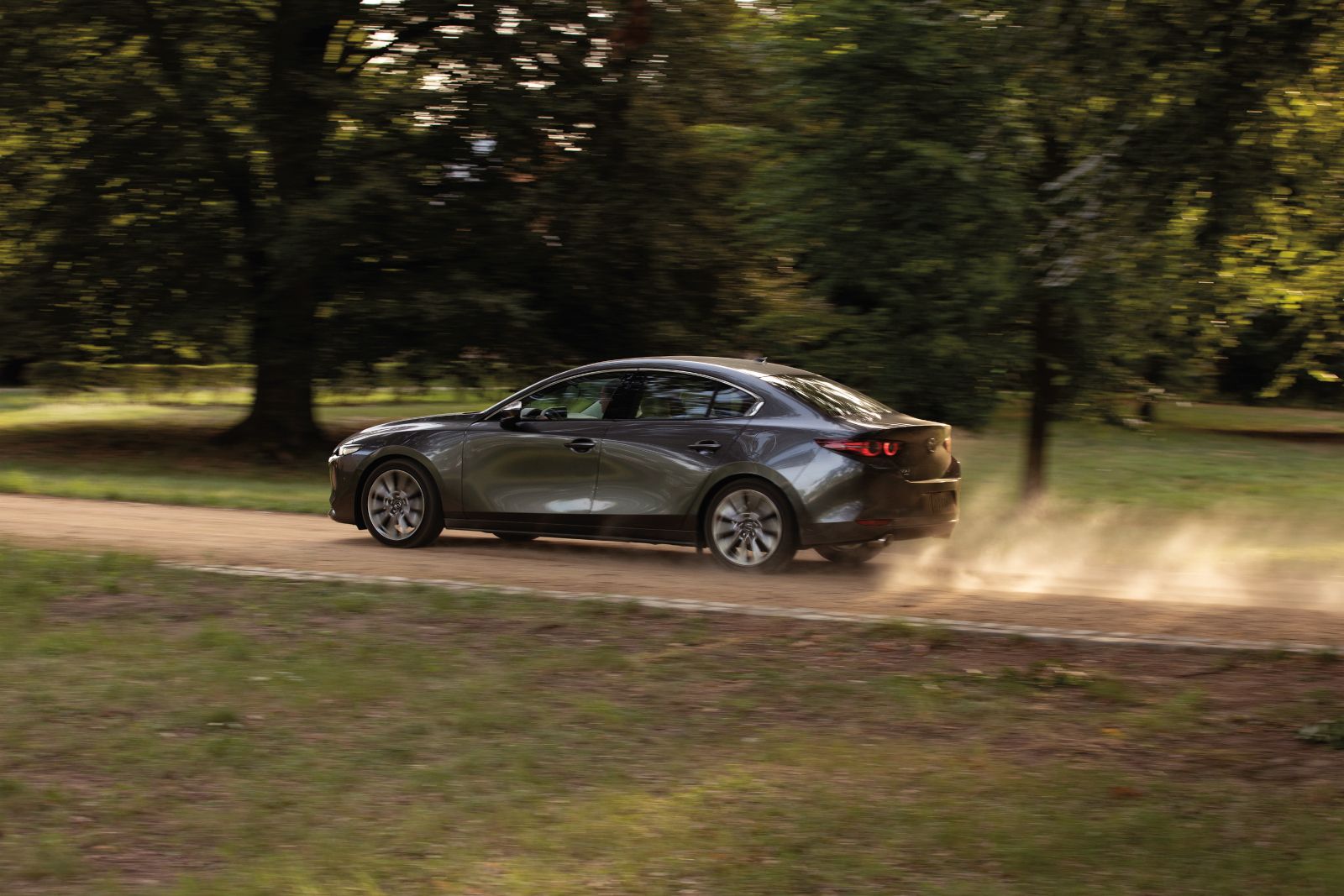
Used AWD vehicles span several categories, each suited to different driving needs:
Sedans with AWD
AWD sedans, like the Mazda3, combine car-like handling with improved traction. They sit lower than SUVs, which helps with fuel economy while providing winter confidence. These work well for commuters who want a traditional car feel with added grip.
Crossovers and Compact SUVs
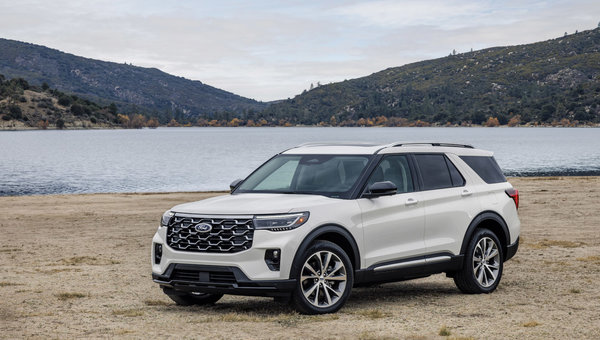
This category dominates used AWD sales in B.C. Crossovers, such as the Ford Escape, offer a higher seating position, easier entry and exit, and more cargo space than sedans. The AWD system adds capability without the size and fuel consumption of larger SUVs.
Mid-Size and Full-Size SUVs
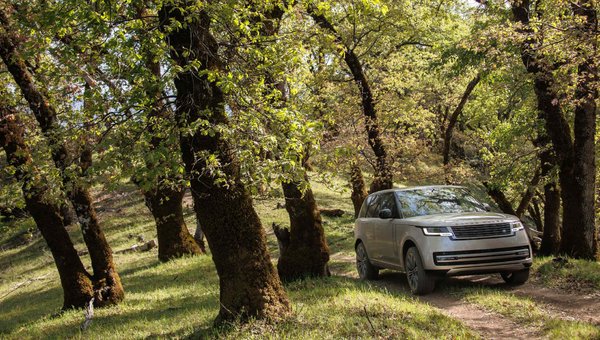
Larger AWD SUVs, such as the Lincoln Navigator, offer maximum interior space and towing capability. Families who need three-row seating or regularly transport sports equipment benefit from the extra room. AWD in these vehicles handles heavier loads more confidently in winter conditions.
What AWD Doesn’t Do
All-wheel drive improves acceleration and traction, but it doesn’t help you stop faster. Every vehicle relies on its brakes and tires for stopping power. AWD and FWD vehicles with identical tires stop in the same distance on ice.
AWD also doesn’t replace winter tires. B.C.’s winter driving laws exist because tire compound and tread design matter more than drivetrain type when temperatures drop below 7°C. AWD with all-season tires performs worse than FWD with proper winter tires.
Maintenance Considerations

AWD systems add components that require service. Transfer cases, rear differentials, and additional driveshafts need periodic fluid changes. These services cost more than FWD maintenance, though modern AWD systems prove reliable when maintained properly.
When shopping used AWD vehicles, ask about service history. Regular fluid changes extend AWD component life significantly. Neglected systems can develop expensive problems that offset any purchase savings.
Fuel Economy Trade-Off
AWD vehicles consume more fuel than equivalent FWD models. The extra weight and mechanical drag typically reduce fuel economy by 5–10%. For a vehicle averaging 9.0 L/100 km with FWD, expect around 9.5–10.0 L/100 km with AWD.
Calculate whether the fuel cost difference matters for your annual driving distance. If you drive 20,000 km yearly, the difference might add $150–300 to your fuel budget. Balance this against the traction benefits for your specific routes and conditions.
Making the Decision
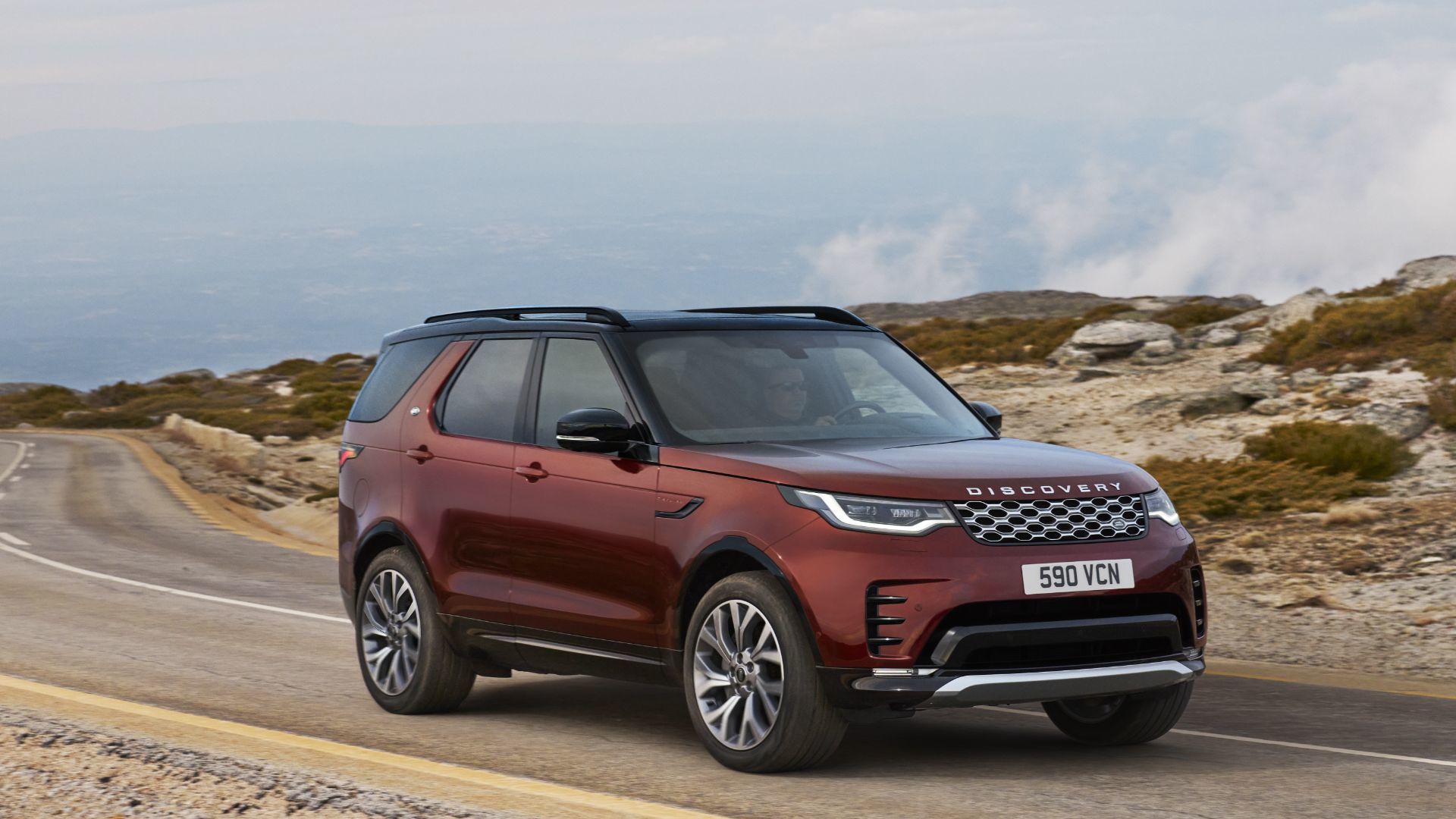
Consider your actual driving patterns around Victoria and the West Shore. Ask yourself these questions:
- Do you regularly drive before plows clear secondary streets? AWD helps here.
- Do you mostly stick to Highway 1 and main boulevards? FWD works fine.
- Do you feel anxious accelerating in winter conditions? AWD provides peace of mind.
- Are you comfortable with winter driving techniques? FWD with good tires suffices.
The right choice depends on your comfort level, budget, and daily routes. Neither option is universally better—AWD and FWD each suit different driver needs and priorities.
Next Steps
If you’re considering an AWD vehicle for the upcoming winter season, visit us at Carson Automotive Group in Victoria to compare different categories firsthand. Test driving both AWD and FWD vehicles helps you feel the real-world difference on roads you actually drive. Our team can walk you through current inventory and help match your commute to the right drivetrain choice.