Next-Generation Materials: The Shift Toward Sustainable and Ethical Interiors
February 27 2026,
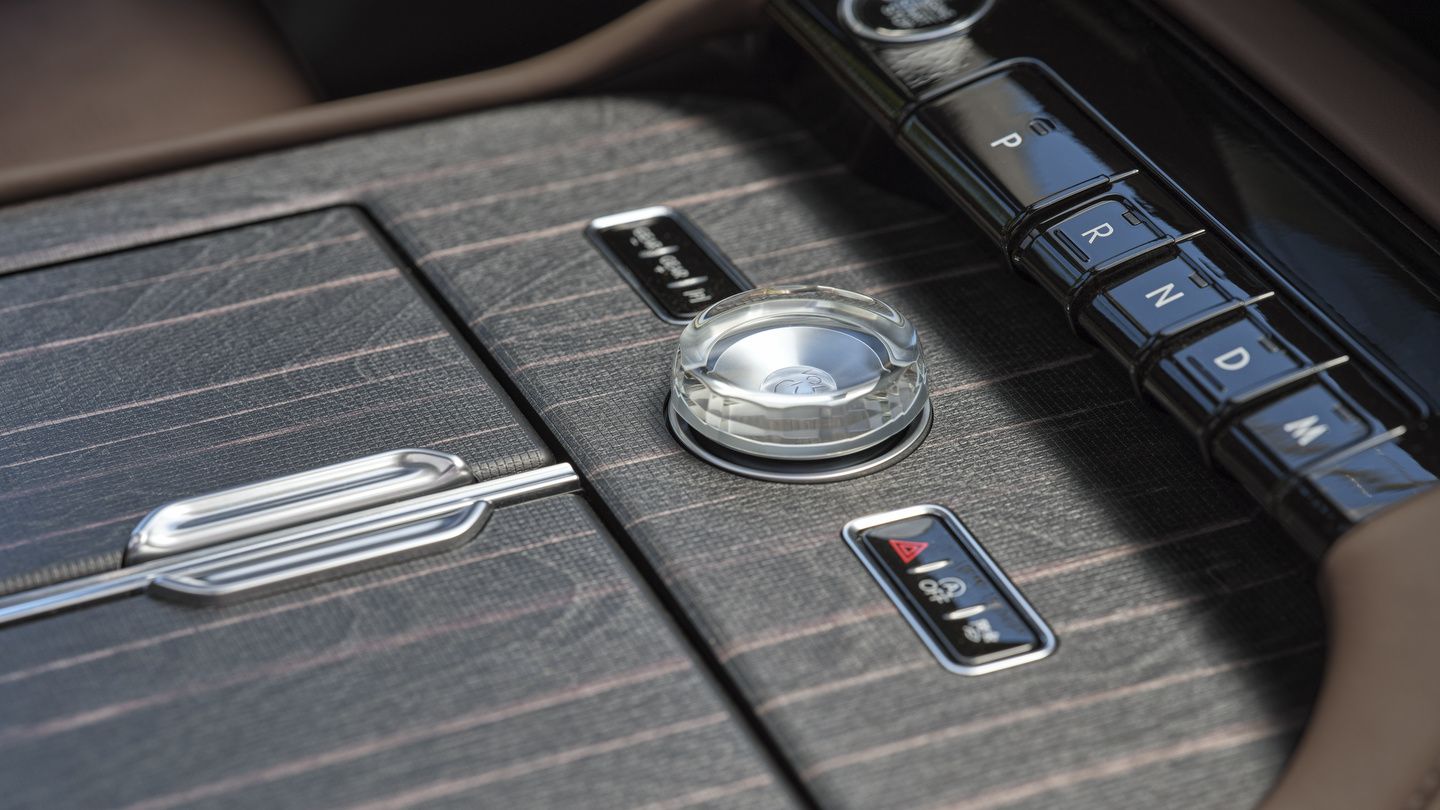
The definition of luxury is changing. For decades, premium automotive interiors meant leather hides, virgin plastics, and rare wood veneers harvested from old-growth forests. In 2026, the most prestigious vehicles in the world are being built with materials that would have seemed impossible five years ago: ocean-bound plastics recovered before they reach marine ecosystems, cactus fibre engineered to match the suppleness of calfskin, mushroom mycelium grown in days rather than years, and recycled wool composites that deliver warmth without compromise.
This shift is not driven by regulation or cost-cutting. It is driven by buyers who refuse to accept that premium quality requires environmental or ethical trade-offs. For the first time in automotive history, sustainable materials are appearing as standard or preferred options on mainstream and luxury trims across multiple brands. The transition is permanent, irreversible, and accelerating.
The 2026 Inflection Point
Three forces converged to make 2026 a watershed year for sustainable automotive interiors. First, Millennials and Gen Z buyers entering peak purchasing age are demanding transparency about where materials come from and how they are sourced. Second, publicly traded automakers face increasingly rigorous ESG reporting requirements that make conventional leather's carbon and water footprint a measurable liability. Third, supply chain ethics scrutiny has intensified to the point where brands can no longer ignore the environmental cost of extractive material practices.
Manufacturers who have invested hundreds of millions in sustainable material research and development are not retreating from these options. They are expanding them. Materials that were niche special editions two years ago are now appearing as standard equipment on volume models.
Plant-Based and Vegan Alternatives
Cactus leather offers one of the most promising plant-based alternatives. Derived from nopal cactus harvested without destroying the plant, the material requires minimal water and no irrigation beyond natural rainfall. The cactus is drought-resistant, making it one of the lowest-impact soft materials available. The resulting material is soft, durable, and partially bio-based.
Mushroom mycelium leather is grown from fungal root networks on agricultural waste in days rather than years, producing a supple, leather-like material with a fraction of the carbon footprint. Pineapple leaf fibre converts the waste leaves from pineapple harvests into a durable textile, turning agricultural byproduct into a circular economy success story.
Synthetic microfibre options have been established in automotive interiors for years and are now increasingly made with recycled polyester content. These materials offer the proven, accessible entry point to sustainable soft surfaces.
Recycled Ocean and Post-Consumer Plastics
Ocean-bound and ocean-recovered plastics are collected before or after entering marine environments, processed into high-quality yarn or moulded components, and used in seat fabrics, carpet underlays, door panel accents, and trunk liners. The structural benefits are substantial: recycled plastic content can be engineered to match or exceed virgin plastic performance in many applications, meaning the sustainability argument does not require a quality trade-off.
Jaguar and Land Rover have documented use of recycled plastic content in interior components as part of the JLR Reimagine sustainability strategy. Responsibly sourced materials appear across current model-year offerings.
Sustainably Sourced and Certified Wood
Real wood trim remains a premium interior signal, but sourcing matters. FSC-certified wood ensures the material comes from responsibly managed forests with verified replanting programs.
Some 2026 vehicles are moving beyond veneer toward engineered wood composites that use less raw timber while delivering the same visual and tactile warmth. An emerging category worth noting: reclaimed and salvage wood used as accent material in ultra-premium trims, recovered from old buildings, wine barrels, or storm-felled trees, giving each piece a unique provenance story.
Recycled and Natural Fibre Textiles
Seat fabrics and headliners made from recycled wool composites use post-consumer wool from garment recycling programs. These materials integrate premium texture with circular economy credentials.
Natural fibre options like organic cotton, hemp, and flax are being explored for door card inserts, headliners, and trim elements. These materials are lighter than synthetic equivalents and fully biodegradable at end of vehicle life.
The Carbon and Ethics Argument
Conventional leather production is resource-intensive. The global cattle industry is a substantial source of methane emissions, and the tanning process traditionally uses chromium and other chemicals with serious water-contamination risks. Full lifecycle comparisons between traditional leather and plant-based alternatives show meaningful reductions in carbon footprint, water use, and chemical input.
Ethical sourcing increasingly extends to supply chain transparency. Buyers are more likely to ask where materials come from and whether workers throughout the supply chain were treated fairly.
No Compromise Required
Sustainable materials in 2026 vehicles are not alternatives that sacrifice quality. They are engineered to match or exceed the durability, texture, and appearance standards of the materials they replace. In many cases, vegan and recycled interior options are standard on mid-to-upper trims, meaning buyers do not have to pay a premium or special-order to get them.
Choosing a 2026 vehicle with sustainable interior materials is not a sacrifice. It is what premium looks like now. The materials are proven, the engineering is rigorous, and the options are expanding across brands and segments.
Learn More at Carson Automotive Group
The shift toward sustainable and ethical interiors offers a permanent directional change in automotive design. Our team at Carson Automotive Group is ready to walk you through exactly what went into building the space around you and help you find the vehicle that aligns with your values.