The Evolution of Car Safety Technology: From ABS to Advanced Driver Assistance Systems
November 28 2025,
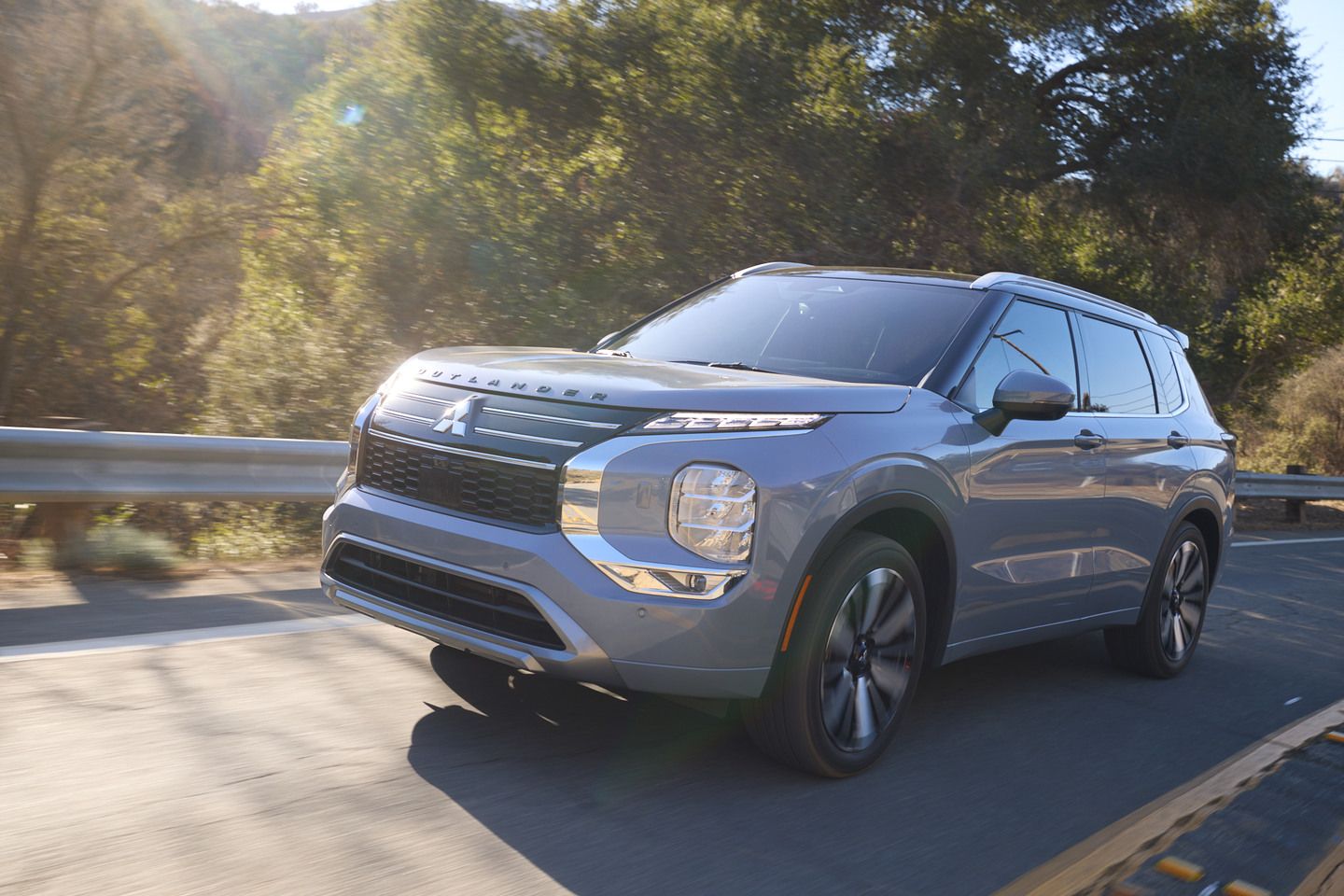
Car safety has transformed dramatically over the past few decades. What began with basic mechanical brakes and simple seatbelts has evolved into sophisticated sensor networks that can predict and prevent collisions before they happen. For drivers in British Columbia, where wet roads, mountain passes, and dense urban traffic create unique challenges, understanding this evolution helps explain why modern vehicles offer protection that was unimaginable just a generation ago.
Today's advanced driver assistance systems—commonly called ADAS—represent the culmination of decades of safety innovation. These technologies build directly on foundations like anti-lock braking and electronic stability control, creating layers of protection that work together to keep you and your passengers safe on BC's diverse roads.
The Foundation: Anti-Lock Braking Systems
Early automotive safety focused on seatbelts, crumple zones, and stronger body structures. Energy-absorbing crumple zones and wider adoption of three-point belts from the mid-20th century onward marked significant progress, but braking technology remained relatively basic until anti-lock systems arrived.
Anti-lock braking systems moved from aircraft into passenger vehicles during the 1970s and 1980s. Early mechanical systems gave way to electronic multi-channel ABS that could monitor and control each wheel independently. The principle was straightforward: prevent wheel lockup during hard braking, allowing drivers to maintain steering control even in emergency stops.
By the 1990s, ABS had become widespread across vehicle lineups. The technology proved especially valuable in wet conditions—a common scenario on Vancouver Island and the Lower Mainland, where rain can make roads slippery for much of the year. ABS laid the groundwork for every advanced safety system that followed, providing the electronic control foundation that modern vehicles depend on.
Building on ABS: Stability Control and Traction Management

Electronic stability control emerged in the mid-1990s as the next logical step. This system used ABS hardware along with additional sensors to detect when a vehicle was losing directional control. By selectively braking individual wheels, stability control could help keep vehicles on their intended path during emergency manoeuvres or slippery conditions.
Traction control systems worked alongside stability control, preventing wheel spin during acceleration. Together with electronic brake-force distribution, these technologies dramatically reduced single-vehicle crashes caused by loss of control. For British Columbia drivers navigating mountain highways or sudden weather changes, these systems provided crucial support that mechanical systems alone could never deliver.
Today, electronic stability control and traction management come standard on virtually every new vehicle, including the full Ford, Lincoln, Mitsubishi, Mazda, Jaguar, and Land Rover lineups. These foundational systems remain active in the background, ready to intervene when conditions demand.
Airbags: From Single to Multi-Stage Protection
While ABS and stability control focused on crash avoidance, airbag technology evolved to protect occupants when collisions proved unavoidable. Early front airbags from the 1970s and 1980s gave way to sophisticated multi-airbag systems by the 2000s.
Current vehicles deploy multiple airbags strategically positioned throughout the cabin. Front airbags protect driver and front passenger during frontal impacts. Side-impact airbags shield torsos during lateral collisions. Curtain airbags extend along the roofline to protect heads in side impacts and rollovers.
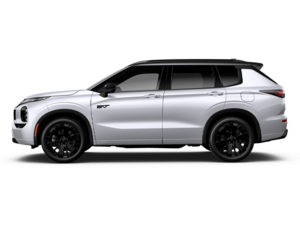
Modern vehicles like the Mitsubishi Outlander and RVR include comprehensive airbag systems as standard equipment, with front, side, and curtain airbags protecting occupants across seating rows. Knee airbags in many Ford, Lincoln, and Mazda models provide additional lower-body protection during frontal crashes. These multi-airbag configurations work alongside seatbelt pretensioners that tighten restraints milliseconds before impact, optimising occupant positioning for airbag deployment.
The Birth of Driver Assistance: Early ADAS Features

The late 1990s and early 2000s saw the introduction of technologies that actively assisted drivers rather than simply protecting them during crashes. Conventional cruise control evolved into adaptive cruise control, which could maintain safe following distances automatically. Basic parking sensors expanded into rear-view cameras and parking assist systems.
These early driver assistance features required new sensor types—radar for distance measurement, cameras for visual recognition, and ultrasonic sensors for close-range detection. As computing power increased and sensors became more affordable, automakers could bundle multiple assistance features into comprehensive safety suites.
Lane-departure warning systems joined the mix, using cameras to monitor road markings and alert drivers drifting from their lanes. Automatic emergency braking followed, using radar and camera data to detect imminent collisions and apply brakes if the driver failed to respond. Each new feature built on the electronic infrastructure established by ABS and stability control decades earlier.
Modern ADAS: Comprehensive Protection Systems
Today's advanced driver assistance systems combine multiple technologies into integrated suites that monitor the road environment continuously. These systems can detect potential hazards, warn drivers, and in many cases, take corrective action automatically.
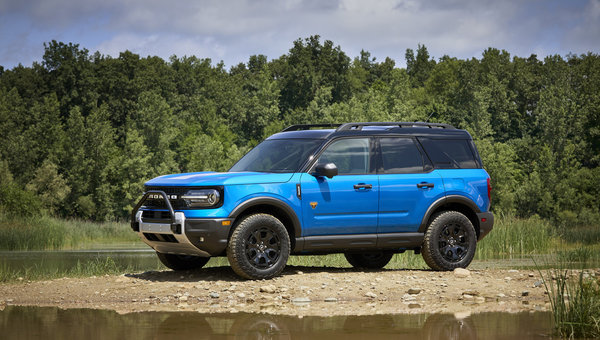
Ford's Co-Pilot360 suite bundles essential safety features across the lineup. Pre-Collision Assist with Automatic Emergency Braking monitors traffic ahead and can apply brakes to prevent or reduce the severity of frontal crashes. Blind Spot Information System watches adjacent lanes and alerts drivers to vehicles in their blind zones. Lane-Keeping System provides steering inputs to help maintain lane position. Auto High-Beam Headlamps adjust lighting automatically for improved nighttime visibility without blinding oncoming drivers.
Newer Ford models add intersection assist capabilities that can detect cross-traffic when turning, along with more sophisticated lane-centring technology that keeps the vehicle positioned precisely within lane markings rather than simply warning when drift occurs.
Lincoln builds on the Co-Pilot360 foundation with additional refinements suited to premium buyers. Lincoln's safety packages offer the same core collision prevention and lane management features, enhanced with parking assistance technologies and 360-degree camera views that simplify manoeuvring in tight urban spaces.
ADAS Across the Lineup: Mitsubishi, Mazda, Jaguar, and Land Rover

Mitsubishi's MI-PILOT Assist delivers the brand's approach to highway driving support. The system blends adaptive cruise control with lane-keeping assist to reduce driver workload during long highway stretches. Forward Collision Mitigation, Lane Departure Warning, Blind Spot Warning, and Rear Cross Traffic Alert provide comprehensive monitoring across the Outlander and other models.
Mazda takes a driver-focused approach with its i-Activsense safety technology. The system packages forward-collision mitigation, lane-departure warning, adaptive cruise control, and driver-attention monitoring into a cohesive suite. Mazda's philosophy emphasises keeping the driver engaged while providing backup support when attention lapses—particularly valuable for maintaining alertness on long drives through BC's Interior.
Jaguar and Land Rover offer sophisticated driver-assistance packages that reflect their premium positioning. Adaptive cruise control with steering assist handles highway driving duties. Clear exit monitoring warns occupants of approaching cyclists or vehicles when opening doors. 360-degree camera systems provide complete awareness during parking and low-speed manoeuvres.
Land Rover's Terrain Response system, while primarily focused on off-road capability, integrates with stability control and traction management to maintain control across varied surfaces. This combination of on-road safety technology and off-road capability suits British Columbia drivers who travel from urban Victoria to backcountry recreation areas.
How ADAS Helps BC Drivers
British Columbia's driving conditions make a strong case for comprehensive safety technology. Wet roads during fall and winter benefit from ABS and stability control, which prevent loss of control during emergency braking and cornering. Mountain highways with tight curves and steep grades are safer with adaptive cruise control that adjusts speed automatically and lane-keeping systems that help maintain position through winding sections.
Dense urban traffic in Victoria, Vancouver, and other cities becomes more manageable with blind spot monitoring, rear cross-traffic alert, and low-speed collision prevention. Forward collision warning with automatic emergency braking proves valuable in stop-and-go commutes where momentary distraction can lead to rear-end crashes.
Driver attention monitoring systems help on long highway drives—trips between Victoria and the BC Interior, for example—by detecting signs of fatigue and prompting drivers to take breaks before drowsiness becomes dangerous.
Looking at Safety Technology Across Vehicle Segments
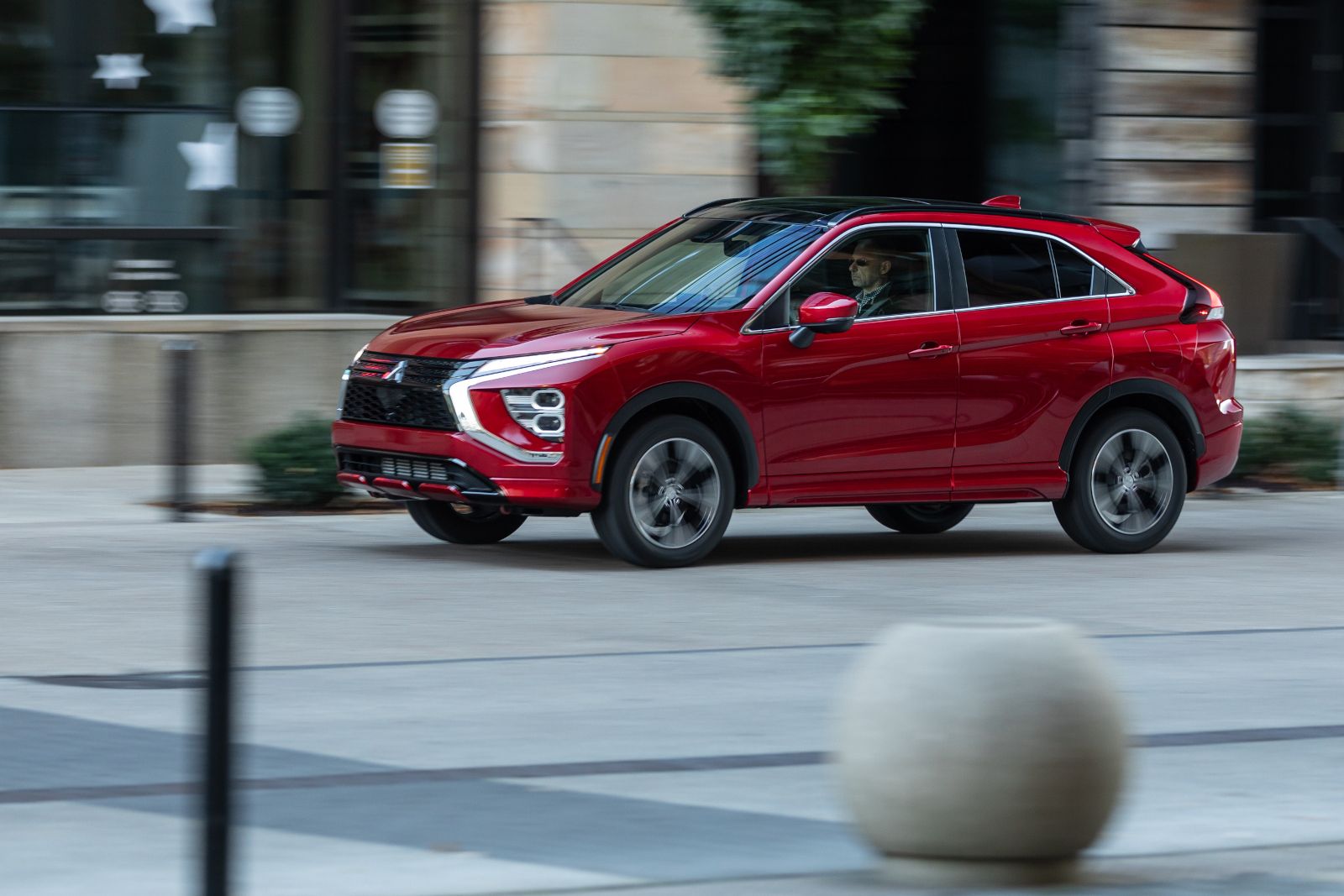
ADAS availability has expanded beyond luxury vehicles into mainstream segments. Ford, Mitsubishi, and Mazda now include comprehensive safety suites as standard or widely available equipment across their lineups, making collision-prevention technologies accessible regardless of budget.
Higher trims add convenience-focused features like remote parking assist and surround-view cameras, but core collision-prevention technologies are now widely accessible. This democratisation of safety technology means more drivers benefit from protection that was once reserved for premium vehicles.
Lincoln, Jaguar, and Land Rover layer additional sophistication onto these foundations, with more refined sensor systems, additional assistance features, and integration with luxury amenities. For buyers seeking maximum protection alongside premium comfort, these brands deliver comprehensive ADAS suites built on the same proven foundations.
Key Safety Technologies at a Glance
Foundation Systems: ABS, stability control, traction control — maintain vehicle control in challenging conditions
Collision Prevention: Forward collision warning, automatic emergency braking — prevent or mitigate frontal crashes
Lane Management: Lane keeping assist, lane departure warning — prevent unintentional lane departures
Blind Zone Monitoring: Blind spot information, rear cross-traffic alert — detect vehicles during lane changes and reversing
Adaptive Cruise: Speed and distance control, stop-and-go capability — reduce driver fatigue and maintain safe following distances
Driver Monitoring: Attention warning, fatigue detection — alert drivers to reduced attention or drowsiness
Discover Advanced Safety Technology at Carson Automotive Group
Understanding how safety technology has evolved helps you make informed decisions when selecting your next vehicle. From the foundation of ABS and stability control to today's comprehensive ADAS suites, each advancement builds on proven technologies to create layers of protection for you and your passengers.
Carson Automotive Group in Victoria serves drivers throughout Vancouver Island with expertise across Ford, Lincoln, Mitsubishi Motors, Mazda, Jaguar, and Land Rover. Our team can provide detailed information on specific ADAS features, compare safety equipment across different models, or arrange test drives so you can experience these systems firsthand on BC roads.